What Is Email Marketing and How It Works? (For Beginners 2026)

In the fast-changing world of digital marketing, trends come and go — email marketing has maintained its position. Even in 2026, it remains a powerful medium and one of the most effective ways to communicate directly with the audience.
Otherwise social media platforms are constantly changing, Email gives you full control over delivering messages to recipients, eliminating the need for any intermediaries.
Email marketing is not merely about sending promotional spam messages; its primary objective is to build relationships .
It helps businesses and brands build long-term relationships with their audiences or customers through helpful and personalized communication.
Now I will fully describe you step by step, how email marketing works exactly, why it’s important, and how you can use it to grow your blog or business in 2026.
What Is Email Marketing? (Simple Explanation)
Email marketing is one of the best ways to reach people with the aim of building genuine relationships with the audience through product promotion, the exchange of valuable information, and the provision of useful advice.
This is a digital strategy that enables direct communication with customers and makes reaching your target audience easier and more effective.
In simple words, Email marketing is a cost-effective, reliable, and long-term strategy for expanding business and strengthening customer relationships—one that remains unaffected by social media algorithms and advertising restrictions.
Why Email Marketing Is Important for Businesses
In 2026, Email remains the cornerstone of digital communication—and there are valid reasons for this.

Whether you manage a personal brand or a digital e-commerce store, email marketing plays a crucial role in achieving consistent growth, engagement, and long-term success.
why email marketing so important:
- Direct Connection With Your Audience: Through email, you can reach your audience directly in their inboxes. It builds trust through personal communication and makes it easy for them to get to know you.
- High Return and low cost: On average, if you spend $1 to $2 on marketing, you can earn approximately $25 to $30. This is one of the most profitable strategies.
- Ownership & Independence: Email enables you to communicate directly with your audience without any barriers or strict restrictions. It builds trust in your brand among your audience.
- Automation & Efficiency: Automation helps you send the right message at the right time—from welcoming to following up. Once set up, it operates 24/7 and converts leads into loyal customers without any extra effort.
- Builds Trust & Customer Loyalty: Consistency builds trust. When your audience regularly receives valuable emails, they view your brand as reliable—and this helps foster reader loyalty.
Types of Email Marketing Campaigns
Email marketing is a goal-oriented strategy, and various email campaigns help businesses achieve specific objectives.
By understanding the different types of emails and their strategic application, businesses can implement the right methods at the right time to achieve measurable growth.
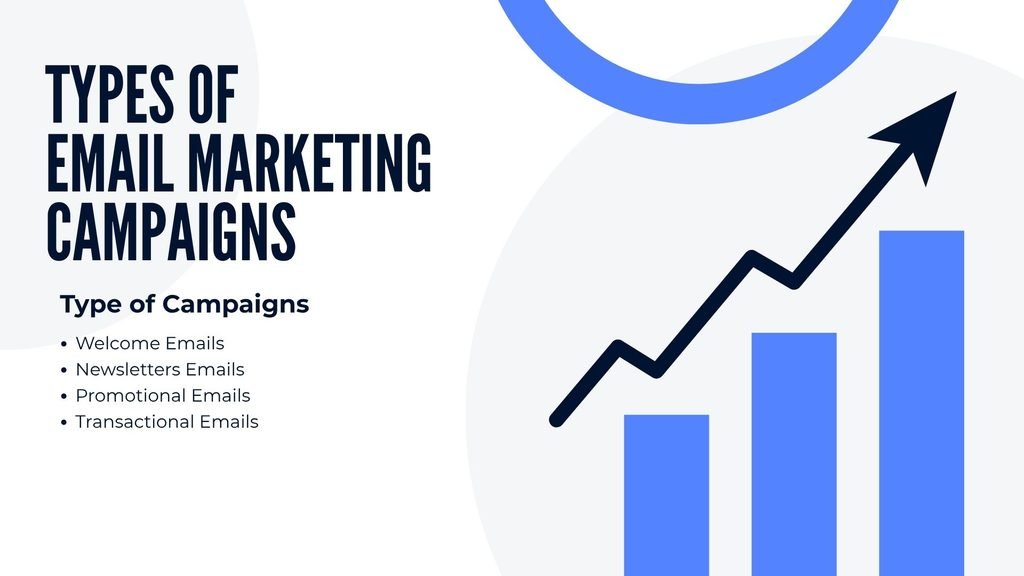
1. Welcome Emails
A ‘welcome email’ serves as your brand’s first introduction to a new subscriber or user. It sets the tone for communication, helping to foster a long-lasting, positive relationship in line with your goals.
2. Newsletters
A newsletter campaign is a continuous process of sending regular emails to provide readers with valuable information, advice, and the latest updates. Its primary goal is to build relationships, foster trust, and keep readers engaged.
3. Promotional Emails
Promotional emails help boost sales by showcasing various offers, discounts, or new products. A clear ‘Call-to-Action’ (CTA) and engaging visuals encourage customers to take immediate action.
Example: Customers can be encouraged to make a purchase by using a ‘Call-to-Action’ such as, “Get a 79% discount on Hostinger hosting for just $1.99 today.”
4. Transactional Emails
The primary purpose of transactional emails is to provide users with necessary information at the right time. Since recipients consider them expected and important, these emails often have high open and click-through rates.
How Email Marketing Works (Step by Step)
Email marketing isn’t just about sending random messages — it’s a strategic process that helps you build relationships, nurture leads, and drive consistent sales.
Let’s walk through exactly how email marketing works from start to finish.
Step 1: Define Your Goals
Before launching an email campaign, define your primary goal. This gives your campaign a clear direction and helps you select the right audience and content.
Choose one goal, such as:
- Build brand awareness
- Gain new subscribers
- Drive traffic to your website
- Products Promotion
Once your goal is clear, you can create emails that will help achieve that goal.
Step 2: Build an Email List
Build an email list for your blog by offering free guides, discounts, and special advice to attract subscribers. Use pop-up forms to collect emails ethically and prioritize quality over quantity. A robust, permission-based list helps boost subscriber engagement, build trust, and achieve better results from your campaigns.
Step 3: Choose an Email Marketing Platform
A good email marketing platform assists with everything from subscriber management to campaign execution, automation, and reporting. Therefore, you should carefully consider which platform to choose for your blog or website.
Here is some popular email marketing platforms in 2026 include:
- Mailchimp – user-friendly and great start for small businesses.
- ConvertKit – perfect for creators and bloggers.
- MailerLite – clean design, affordable plans.
- ActiveCampaign-for automation of business.
- HubSpot– All-in-one marketing for business.
Here the full deatils of Best Email Marketing Platforms
Step 4: Design and Write Your Emails
Create and design mobile-friendly emails using your brand’s logo and color scheme. Use engaging subject lines, concise copy, and clear calls-to-action to effectively guide your readers. Personalize the email, keep it easy to understand, and focus on a specific topic to ensure strong engagement.
Step 5: Automate Your Campaigns
To save time and effort, you can utilize features like welcome emails, follow-ups, and cart reminders. This makes it easier to maintain consistent communication with your audience.
Segment your audience based on their interests and behavior. Scheduling emails at the right time can then lead to better engagement.
Step 6: Analyze and Improve
Monitor various metrics—such as open rate, click-through rate, and conversion rate—to understand the effectiveness of your email campaign. Then, make necessary changes or adjustments to improve the results.
Benefits of Email Marketing
Email marketing is a highly attractive and powerful way to connect with your audience. It allows your blog or business to communicate directly with customers about products or services. This direct connection increases engagement and the likelihood of conversion.
It also demonstrates that businesses understand their audience’s needs by sending personalized messages, updates, or offers. Consistent communication like this helps build trust and loyalty over time.
Email marketing drives traffic to your blog or store by linking to posts, products, or promotions, boosting engagement and sales.
Ultimately, email marketing serves as an extremely flexible activity.You can segment your audience, automate messages, and create content for different customer groups, making your campaigns more efficient and targeted.
The Future of Email Marketing
The future of email marketing is smarter, more intelligent, and more powered by technology. As digital trends evolve, businesses are focusing on delivering relevant and value-driven content rather than bulk messages.
Artificial intelligence and automation are transforming how emails are created and delivered. Marketers can now analyze customer behavior, predict interests, and send highly targeted messages at the right time.
Data privacy and trust will remain essential as audiences expect transparency and genuine value. In short, the future of email marketing blends technology with human connection — creating smarter, more meaningful communication between brands and customers.