
What is Digital Marketing and How does it Work?

Digital marketing is a process of promoting digital products or services using online search engines, social media, email, and websites. It helps businesses reach the right audience or individuals through specific messages and monitor results.
Unlike traditional marketing methods such as TV, radio, or print advertising, Digital marketing provides the opportunity to reach a specific target audience instantly.
For instance, when you search for “best web hosting services” on Google, you might subsequently come across sponsored ads or YouTube reviews featuring those very laptops—this is the algorithm at work. By combining psychology, analytics, and technology, it understands consumer behavior and delivers the right message at the right time.
In this guide, you will learn the fundamentals of digital marketing—what it is, how it works, its key types, and overall everything.
You will also learn how to leverage digital marketing to boost the online growth of your blog site, brand, or business.
What is Digital Marketing (Simple Definition)
Digital marketing is a modern method of promoting products or services using online platforms such as Google, Facebook, Instagram, and YouTube. It connects businesses with customers anytime and anywhere through digital devices.
It focuses on audience behavior and uses data to deliver personalized messages. Unlike traditional marketing, it targets the right people at the right time.
This approach builds trust, boosts visibility, and helps businesses grow faster while tracking every click and conversion.
The concept of digital marketing creation in the 1990s through email campaigns and banner advertisements. Today, technologies such as search engines, social media, and artificial intelligence (AI) have made the business world more efficient and significant.
Types of Digital Marketing — Full Explanation
Below is a step-by-step guide covering each key aspect of digital marketing. Each section outlines the workflow through simple steps—perfect for beginners building their first Digital Marketing strategy.
1. Search Engine Optimization (SEO)
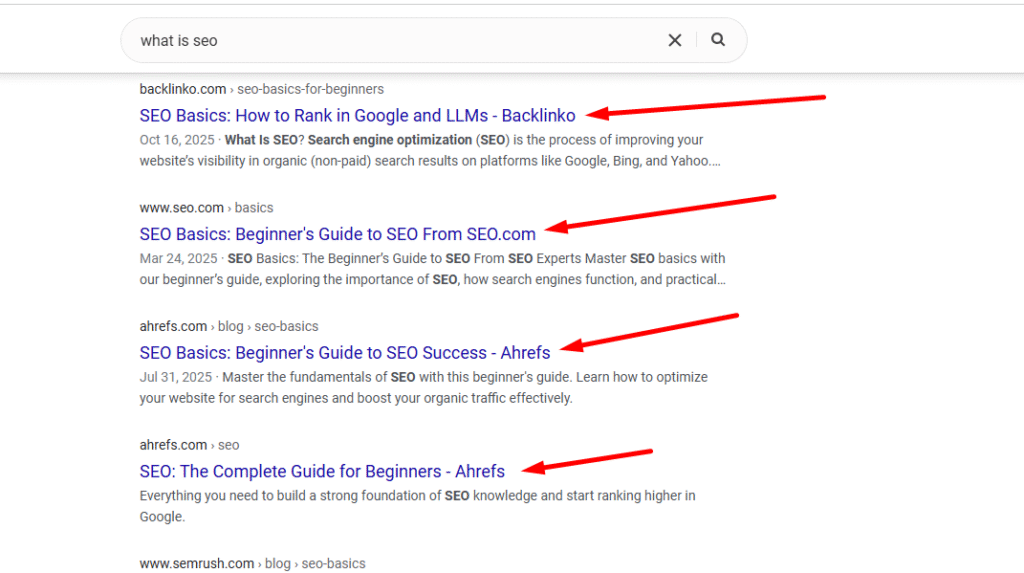
SEO is a digital marketing strategy that helps make a website more visible on search engines. It assists search engines in understanding your content while increasing the chances of your website reaching the right audience.
SEO has three main areas: on-page, off-page, and technical. On-page SEO improves headlines, content, and structure; off-page SEO builds authority or credibility through backlinks; and technical SEO ensures website speed, security, and mobile optimization.
A robust SEO strategy can help your website achieve long-term online growth by driving organic traffic, increasing visibility, and attracting the right audience.
In short,seo helps people find your website when searching for information related to the content, products, or services you offer.
2. Affiliate Marketing
Affiliate marketing is a way to earn money by promoting other people’s products or services. When someone makes a purchase through your unique link, you earn a commission.
It’s beginner-friendly, it does not require you to have any products of your own. Your task is to share products that will genuinely benefit your audience.
For example, if you run a blog about blogging and recommend a web hosting service, you can include your affiliate link in a review or tutorial. When a reader clicks your link and purchases the hosting plan, you may earn a commission.
Overall, affiliate marketing is an excellent opportunity to generate passive income, making it a flexible and profitable online business strategy.
3. Social Media Marketing (SMM).
Social media marketing means promoting a brand, product, service through social media platforms such as Facebook, Instagram, YouTube, etc, . It’s one of the easiest ways to reach millions of people and make money online.
SMM works by connecting you with your audience through posts, videos, stories, and social ads. Consistent, high-quality content helps accelerate business growth.
You can generate income from your social media through affiliate links, brand partnerships, sponsored posts, or your own products and services.
Sharing regular and meaningful posts with your audience can boost your reach, credibility, and business growth.
4. Content Marketing
Content marketing is the art of sharing valuable and useful information or content to reach your target audience. Its primary objective is to assist the audience so that they can place their trust in you in the future.
The goal of content marketing is very simple: to create content that is genuinely useful to people. This involves building trust and attracting more people to your brand through blogs, videos, guides, newsletters, and social media posts.
Content marketing means help first, sell later. It’s one of the best ways for beginners to build an online presence.
5. Email Marketing
Email marketing is a simple process for building relationships with customers or subscribers and sending them personal messages. It enables direct communication with customers without relying on search engines or social media.
At the initial stage, email marketing is used to share newsletters, educational content, product updates, and special offers with customers. Regular and relevant communication helps strengthen relationships and boost sales.
As your business grows, this means setting up emails that are automatically sent based on a person’s actions—such as signing up, making a purchase, or clicking a link.
6. Influencer Marketing

Influencer marketing means collaborating with popular social media creators to promote products or services. These influencers have a loyal following that trusts their opinions and recommendations.
They share posts, videos, or stories that feature the brand naturally. This makes promotions feel real and helps brands connect with people in a more personal way.
As an influencer, you can earn money through sponsored posts, affiliate promotions, or partnerships with various brands.
To achieve success, focus on building a loyal audience, creating high-quality content, and maintaining honesty when making recommendations.
7. Pay-Per-Click (PPC) Marketing
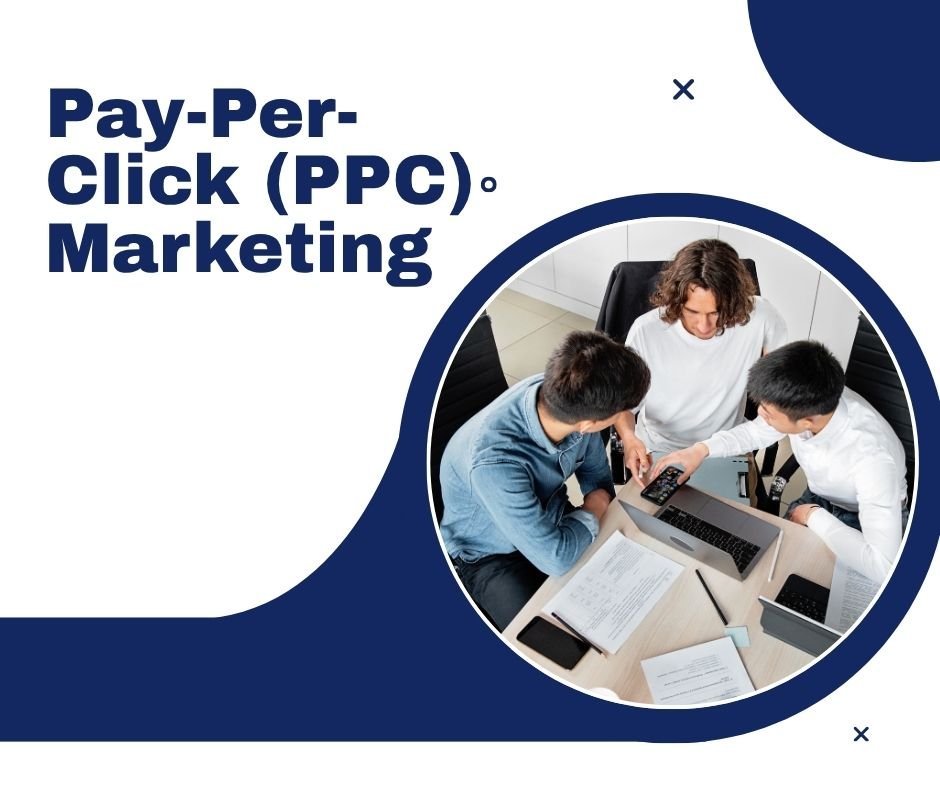
Pay-Per-Click (PPC) is a smart digital advertising strategy in which the advertiser pays a fee whenever a user clicks on the ad. This is a quick way to attract targeted visitors through search engines, social media, and other platforms.
Popular platforms for PPC include Google Ads, Bing Ads, Facebook, Instagram, and TikTok.
You choose specific keywords or audiences, and your ads appear to people most likely to be interested in your products or services.
The effectiveness of PPC lies in generating rapid, precise, and measurable traffic. Through accurate targeting, businesses can optimize their campaigns and convert clicks into valuable customers.
8. Video Editing(YouTube)

Video editing is the art of transforming raw or unprocessed video footage into engaging visual content. It is an ideal medium for creating and sharing videos aimed at reaching audiences worldwide.
It helps creators produce content that conveys a clear story. It’s widely used for YouTube videos, social media posts, advertisements, various courses, and business presentations.
By leveraging this skill, you can earn money through advertisements, affiliate links, and brand partnerships. You could even become a major, world-renowned star by creating content.
9. Mobile Marketing
Mobile marketing is a digital strategy for reaching customers through smartphones and tablets. It includes SMS, mobile apps, push notifications, mobile-friendly websites, social media, and in-app advertising.
Its greatest advantage is speed and the ability to reach audiences directly, encouraging businesses to take swift action. Beginners can start with mobile-friendly content, personalized messages, or specific social media channels.
Its goal is to reach people exactly where they spend most of their time and encourage them to take actions such as visiting websites, signing up, and making in-app purchases.
10. Display & Programmatic Advertising

Display advertising is a type of online marketing where businesses use visual ads — like banners, images, or videos — to capture attention on websites, apps, and social media platforms. It’s an effective way to promote products, services, or your brand.
Programmatic advertising is a smarter, automated approach. It uses technology and real-time data to buy ad space and show your ads to the right audience at the perfect time. This makes campaigns faster, more efficient, and highly targeted.
The biggest advantage is precision. You can reach people based on their interests, behavior, location, or demographics, ensuring your ads are seen by those most likely to engage.
Beginners can start with simple display campaigns and gradually explore programmatic tools to improve performance.
11. Online Public Relations (Digital PR)
Online Public Relations, or Digital PR, is the art of building and promoting your brand on the internet to gain visibility, trust, and credibility. It goes beyond traditional PR by focusing entirely on digital channels like websites, blogs, social media, and online news outlets.
The goal of Digital PR is to get your brand noticed and talked about in the right places. This can include guest posts, online press releases, influencer mentions, or features in digital publications that highlight your expertise.
Beginners can start by creating valuable content, connecting with bloggers and journalists, or collaborating with influencers in their niche.
When done consistently, Digital PR not only builds authority but also attracts new audiences, enhances your online reputation, and helps your business grow effectively.
12. Analytics & Marketing Automation
Analytics and marketing automation are essential tools for growing a business online efficiently.
It helps you understand how people interact with your website, social media, or ads. By looking at data like clicks, page views, and conversions, you can see what works and where improvements are needed.
Marketing Automation uses software to handle repetitive tasks automatically. This can include sending emails, posting on social media, or following up with leads, ensuring the right message reaches the right person at the right time.
Using analytics and automation together helps you make data-driven decisions, save time, and reach your audience more effectively.
Beginners can start with tools like Google Analytics for tracking and email automation platforms for sending campaigns automatically.
How Digital Marketing Works — Step-by-Step Process
Digital marketing is a powerful tool for expanding a business, reaching target customers, and increasing online sales. However, it is not limited merely to advertising or social media; it also encompasses attracting customers and converting them into buyers.
1. Research & Discovery:
It’s the first step in digital marketing where you understand your audience, market, and competitors.This step helps you plan the right strategies to connect with your target market effectively.
2. Goal Setting & KPIs:
After research, set clear goals like boosting traffic, generating leads, or increasing sales. Define KPIs such as clicks, conversions, or ROI to measure success. Clear goals and KPIs keep your digital marketing focused and track progress effectively.
3. Strategy Development:
A digital marketing strategy is your roadmap for success. It determines the best channels—like SEO, social media, email, or paid ads—based on your goals and audience. The strategy aligns messaging, budget, and timing while guiding customers from discovering your brand to making a decision.
4. Content & Creative Planning:
Content is the backbone of digital marketing. Plan and create engaging content like blogs, videos, social posts, or emails, optimized with keywords and clear CTAs. A content calendar helps schedule and organize posts, ensuring consistency and relevance.
5. Campaign Execution (Launch):
After planning, launch your campaigns across chosen channels—publish blogs and social posts, run paid ads, and send emails. Test everything beforehand to ensure links, ads, and tracking work correctly, so your campaigns run smoothly and data is captured accurately.
6. Measurement & Analytics:
Monitor campaigns with analytics tools to track engagement, conversions, and ROI. Measuring performance reveals what works, helping you optimize and improve results.
7. Optimization & Scaling:
Use analytics to improve campaigns and test ideas. Once successful, scale by investing more, reaching new audiences, and expanding channels to maximize results.
8. Reporting & Governance:
Record campaign results with key insights and KPIs for stakeholders. Ensure all marketing activities follow legal, ethical, and industry standards for compliance and transparency.
Digital Marketing Tools and Software: Practical Case Study
Implementing a successful digital marketing strategy requires the right tools and software. Choosing the appropriate solution for each task saves time, boosts efficiency, and yields better results.
Using the right tools makes your digital marketing activities faster and smarter. A list of essential tools, categorized by their usage, is provided below:
- Keyword Research: Use tools like SEMRush, Ahrefs, and Ubersuggest to find keywords with high traffic and low competition. These tools help you target your audience and optimize your content for search engines.
- Content Creation & Design: Tools like Canva, Adobe Creative Cloud, and Figma make content visually appealing and professional when creating blogs, videos, graphics, or social media posts.
- SEO & Website Optimization: If you use WordPress, tools like Yoast SEO or Rank Math help you optimize on-page SEO, track rankings, and improve website performance.
- Social Media Management: Platforms like Buffer, Hootsuite, or Later help schedule posts, manage multiple accounts, and effectively analyze engagement metric.
- Email Marketing: Use top email marketing platforms like Mailchimp or ConvertKit to design email campaigns, automate follow-up processes, and track open and click rates.
- Analytics & Reporting: Tools like Google Analytics, Google Data Studio, and Hotjar track user behavior, campaign performance, and conversions, helping to refine your strategy.
- Paid Advertising: For PPC campaigns, platforms like Google Ads, Facebook Ads Manager, and LinkedIn Ads offer opportunities for targeting, setting budgets, and monitoring ROI.
Future Trends in Digital Marketing
Digital marketing is currently growing much faster than before, and its future promises to be even more compelling and competitive. To survive in the current landscape, businesses must adapt to new technologies and smarter strategies.
Artificial Intelligence (AI) will continue to transform the way marketers work—leading to more personalized advertisements, the automation of various tasks, and an enhanced customer experience.
At the same time, voice and visual search are gaining popularity; therefore, it is crucial to optimize content to align with how people speak and interact visually online.
In terms of engagement, short-form video content—such as TikTok, Facebook Reels, and YouTube Shorts—will dominate, while automation tools and chatbots will make marketing processes faster and easier.
Data privacy will also become critically important; in this regard, brands must build trust through transparency and ethical marketing.
Finally, influencer marketing, community building, and AR experiences will play a key role in connecting brands with real audiences. The future belongs to those who embrace creativity, data, and technology together.
FAQ — quick answers to the most asked questions
1. How Can Beginners Start Digital Marketing?
Beginners can start by choosing a specific audience and goal, creating a website or online presence, learning basic SEO and content marketing, and using social media or email to reach their audience. Start with one or two channels and expand as you gain experience.
2. What Is the Best Digital Marketing Strategy for Beginners?
There is no single best strategy for everyone. Beginners can start with SEO, content marketing, social media, or email marketing based on their audience, goals, skills, and budget.
3. Is Digital Marketing Expensive?
Digital marketing can be affordable because many strategies, such as SEO, content creation, and social media marketing, can be started with a small budget. Paid advertising can cost more, depending on the platform and campaign.
4. Can I Make Money from Digital Marketing?
Yes, you can make money through digital marketing by promoting products, selling services, generating leads, running an online business, or using affiliate marketing and digital products.
5. What Skills Are Needed for Digital Marketing?
Important skills include SEO, content creation, social media marketing, email marketing, analytics, copywriting, and basic advertising. You don’t need to master everything at once; start with the skills most relevant to your goal.
6. How Can I Learn Digital Marketing?
You can learn digital marketing through online courses, tutorials, practical projects, blogs, videos, and industry resources. The best way to improve is to learn the basics and apply them to a real website or project.
Final Takeaway: Digital Marketing Guide
Digital marketing is an ongoing process of learning, experimentation, and continuous improvement. It is not just about running ads—it is about understanding your audience, building genuine connections, and creating value through every post, email, video, or campaign.
From SEO and content marketing to social media, email, PPC, mobile, video, and influencer marketing—each strategy can help you reach the right audience, build your brand, and expand your business.
You do not need to use every channel simultaneously; instead, start with strategies that align with your business niche, target audience, budget, and objectives.
In the realm of digital marketing, prioritize your audience and maintain consistency. Test new strategies, analyze the results, and refine your approach over time.




2 Comments