
How to Start Freelancing in 2026 and Earn From Home


Freelancing in 2026 is a powerful way to earn from home and gain financial freedom. If you’re wondering how to start freelancing, now is the perfect time—remote work is booming, and clients are hiring beginners worldwide.
Right now, someone just like you is opening their laptop in a small room or a quiet café and earning money from home. Not because they were born lucky. Not because they had a powerful connection. But because they decided to take control of their skills and start freelancing.
The traditional 9–5 is no longer the only path. Today, companies hire remotely, clients seek talent online, and skills matter more than degrees—opportunity now depends on what you can do, not where you live.
- Maybe you feel stuck.
- Maybe you want financial freedom.
- Maybe you’re tired of waiting for the “perfect time.”
Now freelancing isn’t just about making extra money from home. It’s about freedom. It’s about building income on your own terms by turning your knowledge, creativity, or technical skills into real global opportunities.
Understand What Freelancing Is it?
Freelancing means working independently by offering your skills or services to clients on a short-term or contractual basis. In 2026, freelancing is more flexible, AI-powered, and global than ever.
Why freelancing is growing fast:
- Companies prefer remote talent to reduce costs
- AI tools help freelancers work faster
- Online platforms connect freelancers with global clients
- Work-from-home demand is at an all-time high
This complete 9-step guide explains how to start freelancing in 2026 from scratch, get clients online, and grow a long-term income from home. In just 10 minutes, you’ll gain a clear roadmap to start and scale your freelancing journey.
Step 1: Find a Profitable Freelancing Skill
Finding the right freelance skill is the most important step to succeed. If you truly want to learn how to start freelancing in 2026 and earn from home, everything begins with selecting a skill that has real market demand.
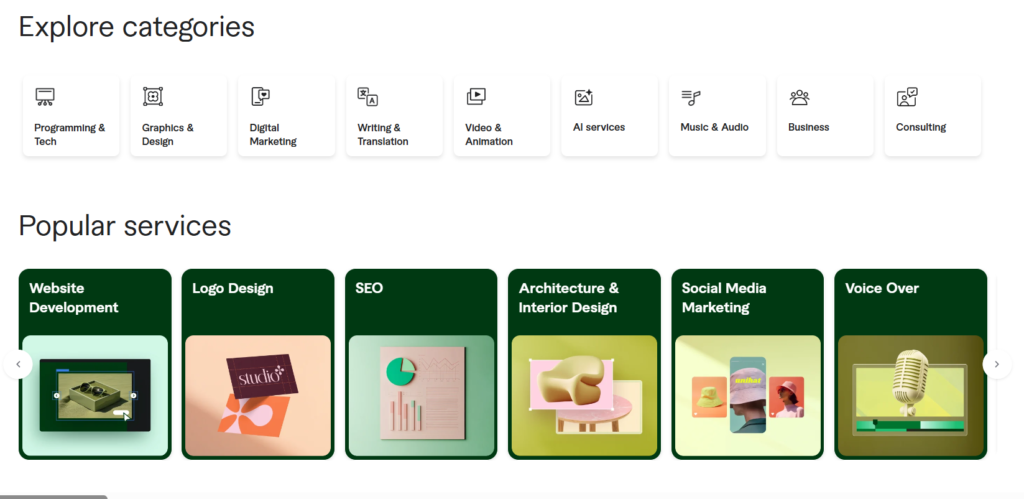
Your knowledge creates your income—the higher the market need, the smoother your growth. Many freelancers struggle because they ignore market trends. Focus on high-value services with consistent demand.
Best freelance skills in 2026:
- Content Strategy & Blogging
- Search Engine Optimization (SEO)
- WordPress Development
- Video Editing
- Affiliate Marketing
- Front-End Development (HTML, CSS, JavaScript)
- Full-Stack Development
- Shopify Development
- Mobile App Development
- No-Code / Low-Code Development
- Website Speed Optimization
- Cybersecurity Services
- Cloud Computing Support
- Copywriting (Sales & Landing Pages)
- Technical Writing
- Email Marketing
- Social Media Management
- PPC & Google Ads Management
- YouTube Script Writing
- Graphic Design
- Logo & Brand Identity Design
- YouTube Thumbnail Design
- Animation & Motion Graphics
- Podcast Editing
- AI Prompt Engineering
- AI Automation Setup (Chatbots, Workflows)
- AI Content Creation & Optimization
- Data Analysis & Visualization
How to choose the right skill:
- Pick a one skill you enjoy or want to learn
- Analyze demand trends on platforms like Fiverr and Upwork
- Pick a skill you can learn through online resources
You don’t need to know everything to get started. First, choose one skill or topic. Your skills will improve with practice and real-world experience.
Step 2: Learn and Improve Your Skills

Once you’ve chosen your freelance skill, the next step is to start to learn and improve your skill. Your skill is the foundation of your freelance career—the better you are, the more clients you attract, and the higher your earnings grow.
Let’s take video editing as an example. Imagine you want to offer video editing services to YouTubers, businesses, or social media creators. Knowing the basics won’t be enough—your goal is to produce professional, polished videos that clients are willing to pay for.
Learn world best video editing software like Adobe Premiere Pro, Final Cut Pro, or DaVinci Resolve.
Best ways to learn freelancing skills:
- YouTube tutorials (free & practical for beginners)
- Paid Online courses (Udemy, Skillshare, Coursera)
- Practice with sample projects
- Learn by doing, not just watching
Many beginners wait for the “right time” to start, but freelancing grows through action, not waiting. Start where you are, improve little by little, accept mistakes as normal, and use client feedback to get better every day.
Check the profiles of successful video editors on Fiverr or Upwork:
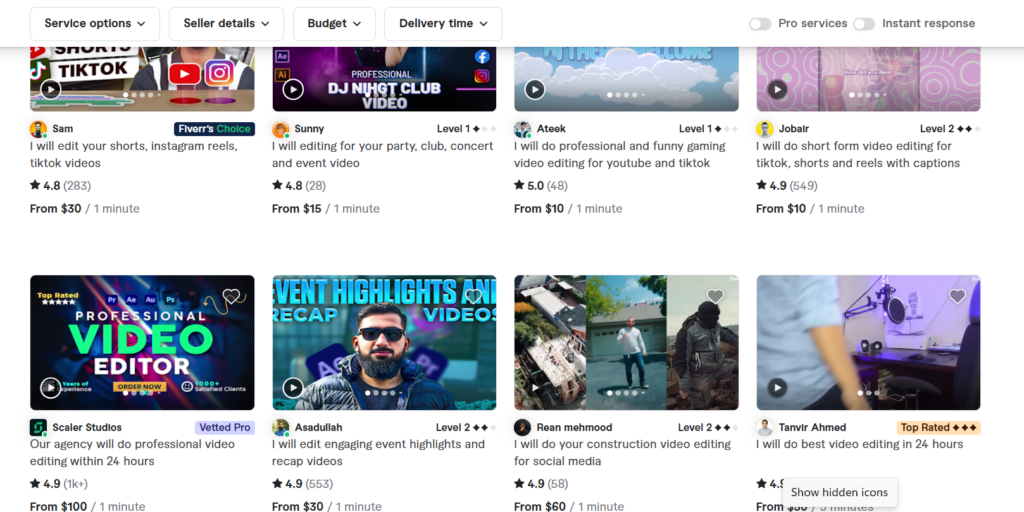
- How they present their services
- How they price packages
- What kind of portfolio samples they show
By analyzing top freelancers, you’ll learn what clients value most and how to structure your services for maximum appeal.
In 2026, AI tools can speed up editing by automating captions, transitions, music, and even generating video ideas or feedback. But remember, tools save time—your skill and creativity win clients.
Step 3: Build a Simple Portfolio (Even With No Experience)
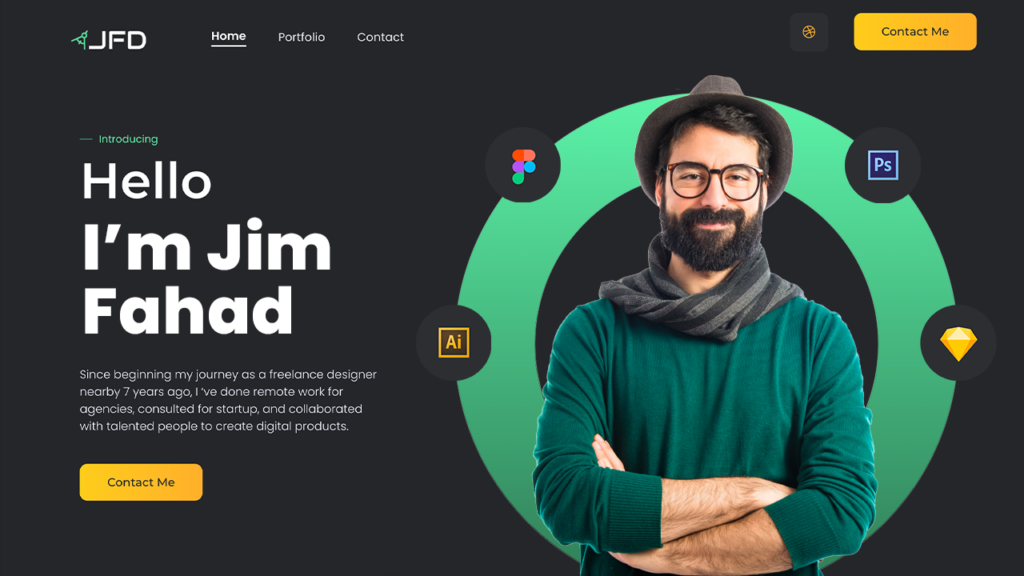
After choosing video editing as your skill and gaining some basic knowledge, the next step is to build a strong portfolio. Your portfolio shows clients what you’re capable of—and the good news is that even beginners can create one.
Your portfolio is your proof. It demonstrates your skills and builds confidence in potential clients. But what if you don’t have real experience yet? Don’t worry—you can still create a simple and effective portfolio to showcase your abilities.
Start With Sample Projects
- Edit a short video for a friend
- Create a cinematic travel video using free stock footage
- Edit a YouTube-style vlog
- Make before-and-after editing examples
These sample projects show your editing style, creativity, and technical skills—even if you’ve never worked with a real client.
Use Free Portfolio Platforms:
- WordPress – Ideal for writers who want to showcase their work on a personal website
- Canva – A simple and easy way to share your projects visually
- Behance – Perfect for creative and design-focused work
- Dribbble – Great for UI/UX and graphic design projects
- GitHub – Best for developers
Your portfolio is the key to starting freelance work. Begin with practice projects, improve consistently, and display your abilities. In 2026, potential and results matter just as much as experience.
Start with one excellent project and make it outstanding. Quality always matters more than quantity.
Step 4: Choose the Best Freelancing Platforms
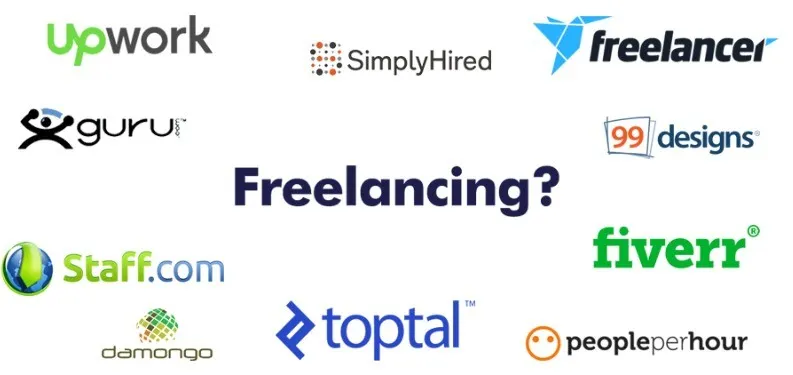
Image Credit: www.medium.com
After building your portfolio, the next step is to choose the right freelancing platform. These platforms connect you with clients from around the world and help you start earning from home.
As a beginner, selecting the right platform is important because it affects how quickly you get clients and how easily you can grow.
Best Freelancing Platforms for Beginners
- Fiverr – Perfect for beginners who want to sell specific services (called “gigs”) such as logo design, video editing, or SEO.
- Upwork – Ideal for long-term projects and professional clients. You send proposals to apply for jobs.
- Freelancer – Good for bidding on projects in different categories.
- PeoplePerHour – Popular for creative and digital services.
- Toptal – Best for highly skilled freelancers with strong experience.
Picking the right freelancing platform impacts how quickly you land clients. Fiverr is simple for starters; others require skillful proposals.
When you decide on a platform, take time to finish your profile. Write clearly about your services, emphasize your key skill, add examples, and set reasonable rates.
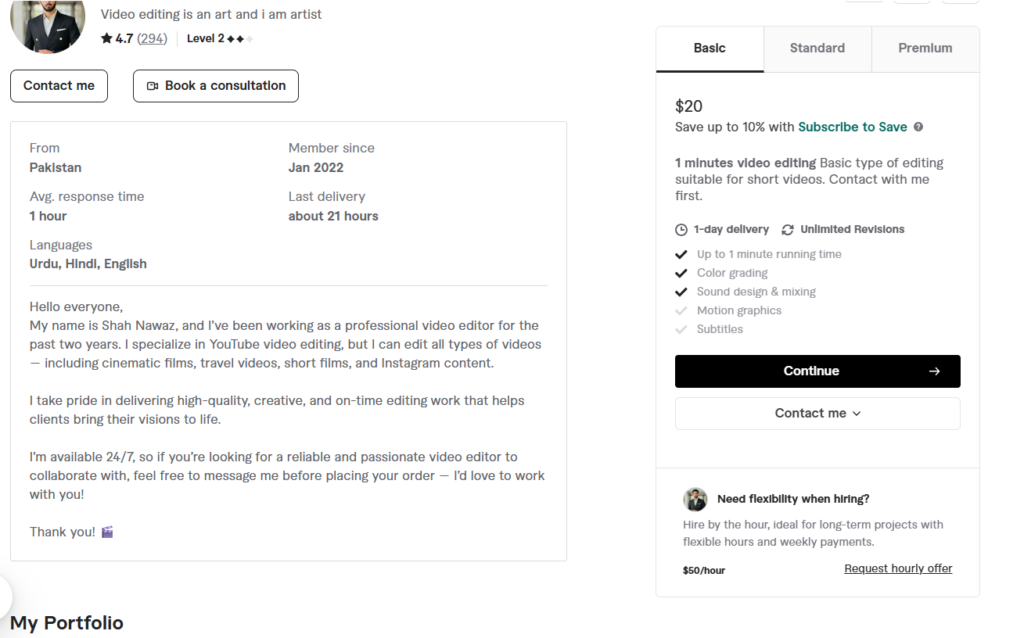
Your profile is your online resume—make it strong and complete to boost your chances of getting hired.
Note: Don’t sign up on too many platforms at once. Start with one, optimize your profile, and focus on landing your first 1–2 clients
Step 5: Get Your First Client

Image Credit: www.saganmorrow.com
Now that you have a skill, a portfolio, and a freelancing platform, it’s time for the most exciting step—landing your first client. Getting that first project can feel challenging, but with the right approach, it’s absolutely possible—even for beginners.
Many beginners wait for a “perfect client” or high-paying project. The truth is, your first client doesn’t have to be big. Focus on smaller projects to gain experience, build your portfolio, and earn reviews. For example:
- Offer to edit a short video for a friend or local business
- Design a simple logo for a startup
- Write a blog post for someone in your network
Network and Reach Out
- Contact small businesses in your area who may need your services
- Post your work on social media (Instagram, LinkedIn, YouTube)
- Join freelance groups and communities online
Networking helps clients find you outside the crowded platforms and can lead to long-term projects.
Your first client is more about experience and trust than money. High-quality work, clear updates, and punctuality lead to positive feedback, referrals, and ongoing projects
Step 6: Work from Home Productively

After landing your first client, mastering work from home is key. Freelancing in 2026 is flexible, but staying focused and working smart beats just working more.
Set up a calm, organized space to work. It could be a corner or a simple desk. Having a specific area signals your brain it’s time to focus.
Tips for successful work-from-home freelancing:
- Set fixed working hours
- Create a distraction-free workspace
- Use task management tools
- Communicate clearly with clients
Working from home brings distractions like social media, TV, or chores. Turn off notifications, use headphones or background music to focus, and set clear boundaries with family or roommates.
Mastering work from home means having a dedicated space, routine, smart tools, minimal distractions, and self-care to stay productive and keep clients happy.
Step 7: Deliver Quality Work & Get Reviews
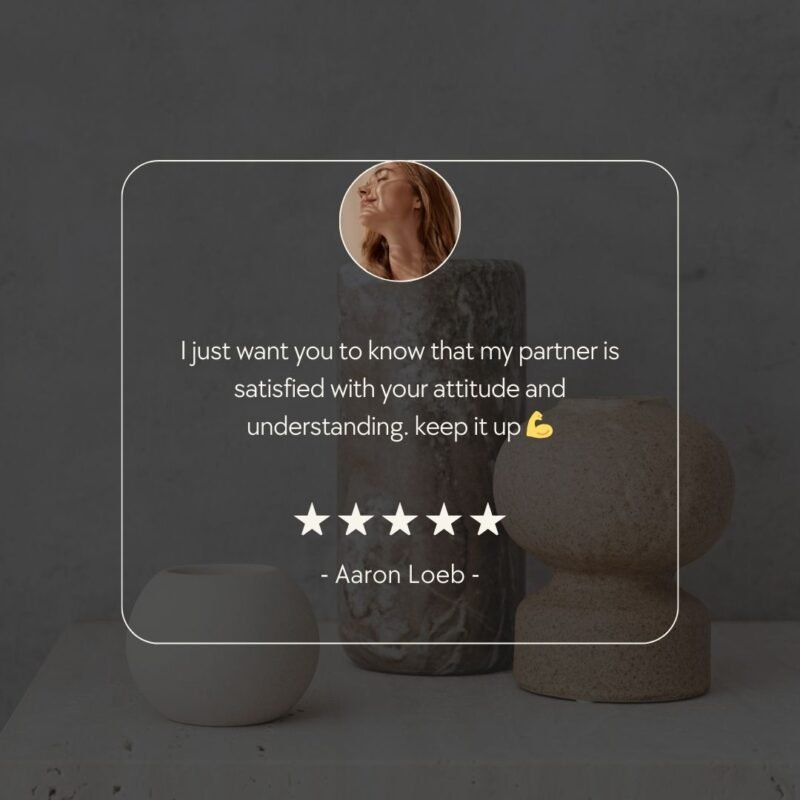
When you start getting clients, the key to succeeding in freelancing is delivering high-quality work. Your reputation is everything in freelancing—clients rely on your skills and professionalism. Good work leads to positive reviews, repeat clients, and long-term success.
When you start getting clients, focus on delivering excellent work. Freelancing thrives on reputation—strong performance brings referrals, repeat clients, and long-term success.
Clients don’t just pay for the service—they pay for results, reliability, and professionalism. By delivering excellent work:
- You earn trust and professional credibility
- Receive favorable client reviews
- Generate more repeat work and referrals
Deliver high-quality work by understanding client needs, communicating clearly, double-checking your work, and going the extra mile with small improvements to show you care about their success.
How to Get Reviews
Reviews build your freelance credibility and attract more clients. Here’s how to get them effectively:
- After completing the task, ask for a review.
- Always deliver work on time and maintain a professional standard.
- Add a short appreciation note with your project.
- Include little touches that wow clients.
Step 8: Use Essential Freelancing Tools in 2026
To succeed in freelancing in 2026, you need more than just skills—you need the right tools. Smart freelancers use tools to save time, stay organized, communicate better, and deliver high-quality work.
The right tools don’t replace your talent—they increase your productivity and professionalism.
1️⃣ Project Management Tools
Staying organized is essential when managing multiple clients. The right tools help you track tasks, manage projects, and meet deadlines without stress:
- Trello / Asana – Easily track tasks and keep projects on schedule.
- Notion – Organize notes, client details, and workflows in one place.
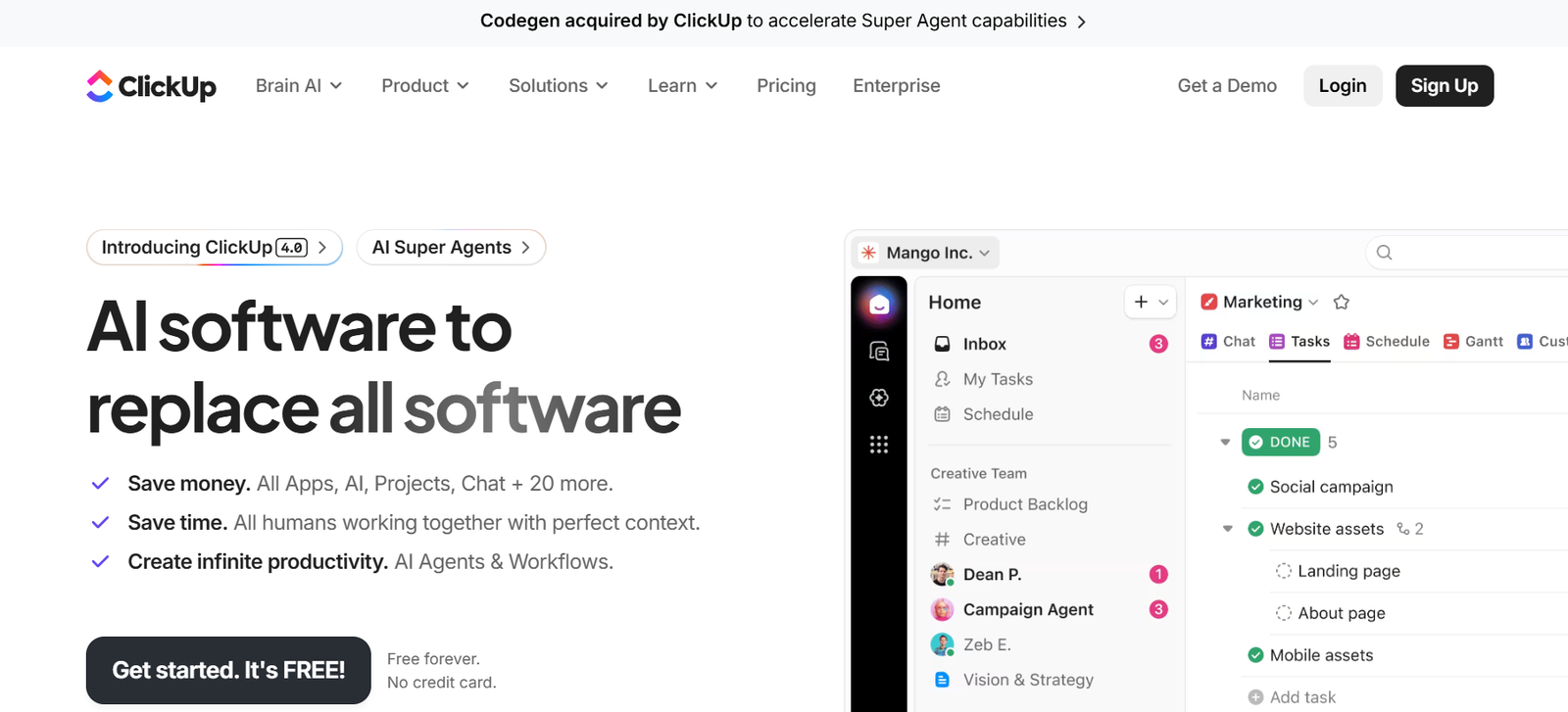
- ClickUp – An all-in-one platform for productivity and project management.
2️⃣ Communication Tools
Clear communication is essential for building client trust and strong professional relationships. The right tools make staying connected simple, efficient, and professional.
- Zoom – Host video meetings and client consultations.
- Slack – Streamline team and client communication.
- Google Meet – Conduct quick online meetings anytime.
3️⃣ Time Management & Focus Tools
Working from home demands discipline and smart time management. The right tools help you stay focused, meet deadlines, and reduce stress:
- Google Calendar – Schedule tasks, deadlines, and reminders efficiently.
- Pomodoro Timers – Boost focus with timed work sessions.
- RescueTime – Track productivity and minimize distractions.
4️⃣ Payment & Finance Tools
Secure and reliable payments are crucial for every freelancer. The right tools make receiving money simple and safe:
- PayPal – Fast and secure international payments.
- Payoneer – Freelancer-friendly global payment solutions.
- Wise – Low-fee transfers for international clients.
In 2026, freelancing is about working smarter, not longer. The right tools streamline organization, improve communication, and accelerate your growth.
Step 9: Scale Your Freelancing Income

Scaling your freelancing income isn’t just about working more hours—it’s about quality work, improving your skills, and creating systems that let you earn more without burning out. Here’s how to do it:
1️⃣ Increase Your Rates
As your skills and experience grow, gradually raise your rates. Don’t undervalue your work—clients are willing to pay more for proven results, reliability, and professionalism.
2️⃣ Focus on High-Value Clients & Projects
Target clients who need specialized skills and can pay premium rates. Long-term or recurring projects also provide stable income and reduce time spent finding new clients.
3️⃣ Offer Packages & Retainers
Replace hourly billing with service bundles or retainer agreements. This secures consistent revenue, reduces admin work, and emphasizes the benefits of your services.
4️⃣ Expand Your Skillset
Learn complementary skills that allow you to offer more services or higher-value solutions. For example, a writer could learn SEO, a designer could add web development, and a marketer could add email automation.
5️⃣ Build Systems & Automate Tasks
Use tools to automate invoicing, project management, and client communication. Systems reduce repetitive work, letting you focus on high-impact tasks that generate more income.
6️⃣ Leverage Referrals & Testimonials
Happy clients are your best marketing. Ask for referrals and showcase testimonials on your portfolio or website. Strong social proof attracts higher-paying clients.
Now Start Your Freelancing Journey
Your journey to financial freedom and location-independent work starts with one decision—begin today. Waiting for the “perfect time” or “more experience” only slows you down. In 2026, freelance opportunities are bigger than ever, and taking action is the only step between you and your first client.
Experience matters more than perfection. Grow through action, deliver real results, and focus on quality, reliability, and professionalism—even beginners can succeed.
Choose a skill you enjoy, create a simple portfolio, and join a beginner-friendly platform. Send proposals, deliver quality work, collect reviews, and stay consistent—long-term success will follow.


One Comment