How to Start an Amazon FBA Business from Home in 2026

Mastering how to start an Amazon FBA business from home is the first step towards building a successful business on one of the world’s leading e-commerce online marketplaces.
With the right product research, high-quality products, and SEO-optimised listings, you can build a profitable Amazon FBA business.
Amazon handles the entire fulfilment process—from storing your products to delivering orders and assisting customers—so you can focus on building your brand and driving more sales.
Ready to start an Amazon FBA business from home? This step-by-step guide walks you through everything from understanding Amazon FBA and estimating startup costs to building a profitable and scalable business.
1. What Is Amazon FBA?
Amazon FBA (Fulfilment by Amazon) is a convenient fulfilment service that allows third-party sellers to let Amazon manage inventory, shipping, and customer support. As a result, you can spend more time building your brand and increasing your sales.
After you ship your products to Amazon, it manages the entire fulfilment process, from storage to delivery. Amazon then pays your earnings directly into your bank account.
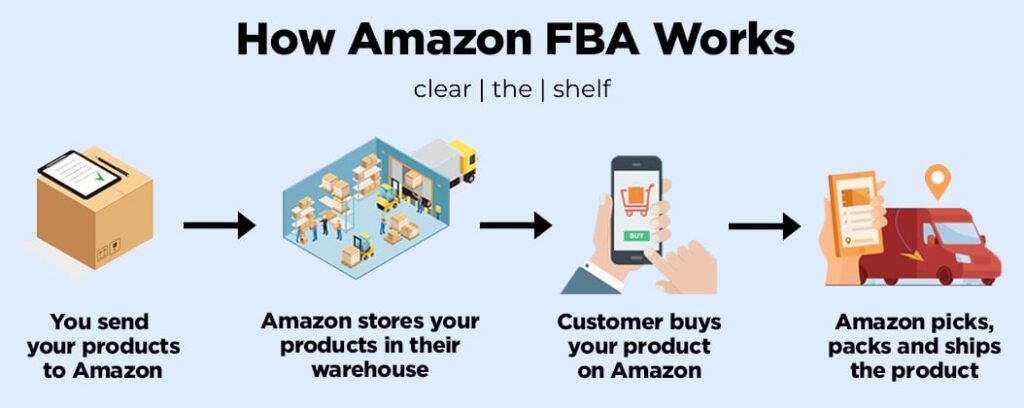
How Amazon FBA Works
- Choose a Profitable Product and Source Inventory
- Create an SEO-Optimised Amazon Product Listing
- Ship Your Products to Amazon Fulfilment Centres
- Amazon Stores, Ships Orders, and Handles Customer Service
- Receive Payments and Grow Your Amazon FBA Business
2. Is Amazon FBA Worth Starting in 2026?
If you approach it with the right strategy, Amazon FBA remains one of the best online business models to start in 2026.
With millions of people shopping on Amazon every day, you can showcase your products to a global audience without launching your own e-commerce website.
While Amazon FBA offers great opportunities, consistent success comes from smart product selection rather than copying competitors.
Successful sellers focus on:
- Selling products with genuine customer demand
- Offering better quality than competitors
- Building a recognisable brand
- Creating optimised product listings
- Using Amazon PPC strategically
- Providing excellent customer experiences
The key to Amazon FBA success is focusing on quality products, informed decision-making, and regular optimisation to stay ahead of the competition.
3. Requirements and Startup Costs for Amazon FBA
You don’t need a physical storefront to sell on Amazon, but you do need a solid plan, the right tools, and a realistic budget to build a successful FBA business.
Starting with the right budget and proper planning can make your Amazon FBA journey much smoother. Before registering your seller account, ensure you have everything you need.
- A valid government-issued photo ID
- A bank account for receiving payments
- A credit or debit card for Amazon selling fees
- A valid email address and mobile phone number
- Tax information (if required in your country)
- A computer with a reliable internet connection
- A product research tool (optional but highly recommended)
- A clear business plan and startup budget
Before creating your Amazon Seller account, make sure all your essential documents and information are ready to ensure a smooth setup.
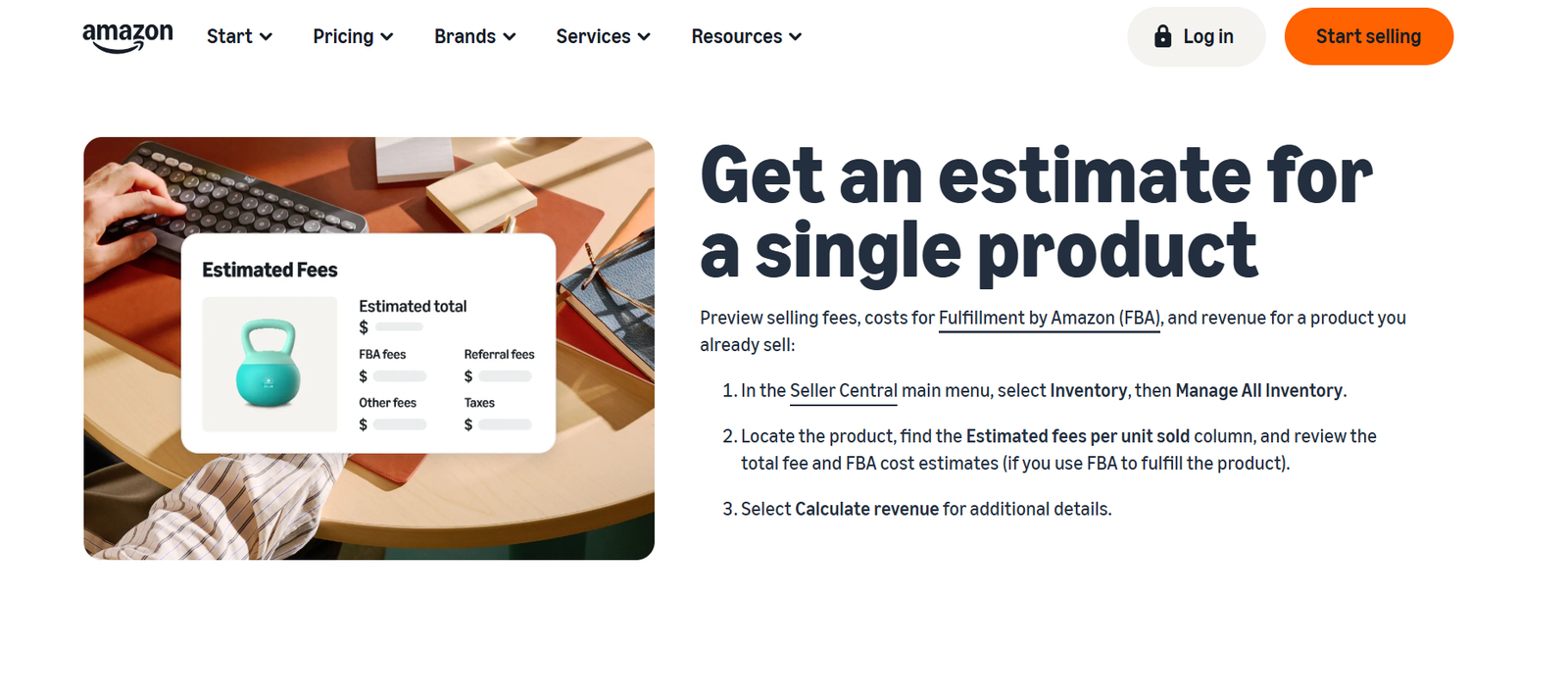
Your startup costs depend on several factors, including inventory, shipping, and advertising. Smart budgeting from the beginning helps reduce financial risk and supports steady growth.
4. Create Your Amazon Seller Account
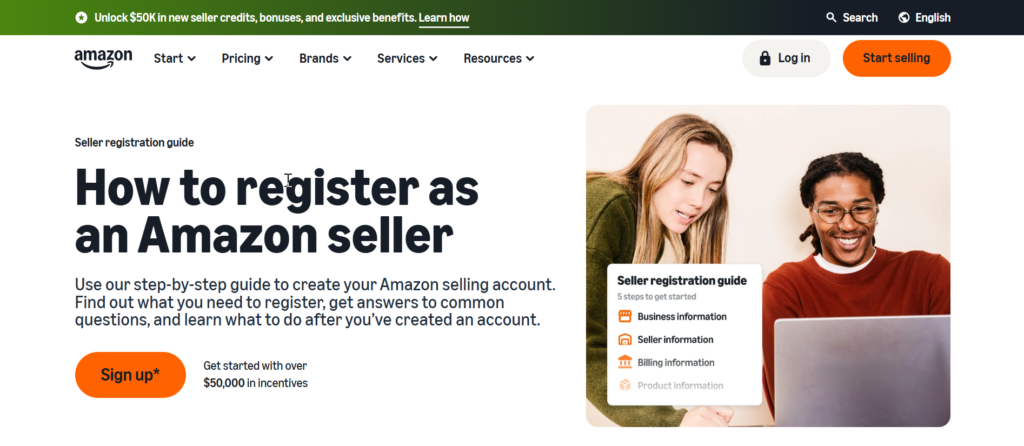
Before you can sell on Amazon, you’ll need to create an Amazon Seller account. Once your account is verified, Amazon Seller Central becomes your central hub for managing listings, inventory, advertising, and sales.
Key Steps to Create Your Amazon Seller Account
- Choose the Right Selling Plan – Select the Individual or Professional plan depending on your selling strategy and future expansion plans.
- Prepare the Required Documents – Keep your government-issued ID, banking details, credit or debit card, contact information, and tax documents ready for quick and hassle-free registration.
- Register Your Seller Account – Set up your account with the required information and verify your identity for a smooth approval process.
- Set Up Your Seller Profile – Add your business details, payment information, tax settings, and notification preferences before you start selling.
- Enable Two-Factor Authentication – Protect your Amazon Seller account with an additional verification layer for safer access.
- Review Your Account Settings – Verify your account information and preferences to create a strong foundation for your Amazon FBA business.
Note: Carefully setting up your Amazon Seller account before you start selling can help you avoid verification delays and create a solid base for future success.
5. How to Find a Profitable Product to Sell
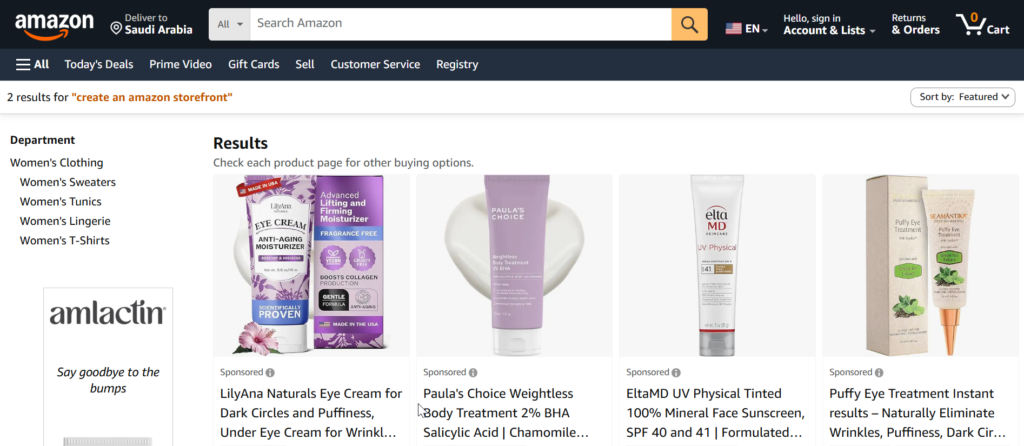
Selecting a profitable product is one of the smartest investments you can make in your Amazon FBA journey. It influences your revenue, profitability, and long-term business success.
Marketing helps sell products, but choosing the right product is what drives long-term success. That’s why research always comes before investment.
Choose a product that solves a real problem, sells consistently, and provides enough profit after Amazon fees and other expenses. Thorough competitor and market research can reveal valuable opportunities for success.
Prioritise products with long-term market potential over short-term popularity. Validating your product idea before launching helps reduce risk and supports lasting business success.
6. Source Products and Choose Reliable Suppliers
A dependable supplier provides the foundation for a successful Amazon FBA business. Consistent quality and reliable deliveries help you create a better customer experience and grow your brand.
Take the time to compare suppliers before placing your first order. Look beyond price and choose a supplier known for quality, reliability, and excellent communication
You have several product sourcing options to choose from, including:
- Manufacturers
- Wholesalers
- Private label suppliers
- Local suppliers
- Trade shows
- Online B2B marketplaces
The right sourcing option depends on your product, budget, and growth plans. Always review product samples before placing a large order to identify any quality issues early.
Negotiate pricing and delivery terms with confidence, and inspect every product before shipping it to Amazon’s fulfilment centres. Strong quality control helps build customer trust.
7. Build Your Brand and Prepare Your Products

A professional brand will make your products more memorable and reliable. Choose a distinctive brand name that suits your niche at the present time and still allows for the growth of your business in the future.
Create a clear and identifiable brand using a professional logo, consistent colours, and high-quality packaging.
Improving the quality, durability, and ease of use of your product will help draw in more customers and lead to more positive reviews.
Before you ship each product to Amazon, take the time to inspect it. Careful labelling, secure packaging, and quality control reduce product issues, minimise returns, and build a trusted brand.
8. Create a High-Converting Amazon Product Listing
A high-converting Amazon product listing helps attract customers, improve search visibility, and increase sales. A successful listing combines Amazon SEO, persuasive content, and professional images to build trust and encourage purchases.
- Optimise Your Product Title: Your product title should be concise, informative, and keyword-optimised. Include your primary keyword and important product details while keeping it easy for customers to read.
- Write Benefit-Focused Bullet Points: Keep your bullet points short, informative, and customer-focused. Highlight your product’s unique features, quality, and benefits to encourage more purchases.
- Create a Strong Product Description: Write a powerful product description that goes beyond features by showing customers how your product improves their lives, solves their needs, and provides real value.
- Use High-Quality Images: Include clear, detailed, and high-quality images that showcase your product’s appearance, features, and real-life applications to create a better shopping experience.
- Optimise and Improve Regularly: Monitor your product performance and customer feedback to discover what works and what needs improvement. Regular updates to your listing elements can help increase rankings, conversions, and revenue.
9. Ship Inventory to Amazon Fulfilment Centres
After creating your listing, the next step is delivering inventory to Amazon. A well-prepared shipping plan helps your products arrive safely and become available faster.
Before sending your products, make sure they have the correct labels, barcodes, and packaging. Proper preparation helps prevent delays, inventory errors, and additional issues during the fulfilment process.
Strong packaging helps keep your products safe from damage throughout transportation and storage. Carefully pack each item, follow Amazon’s requirements, and choose an efficient shipping method that balances speed, cost, and reliability.
Stay updated on your shipment status and confirm successful delivery to Amazon fulfilment centres. Effective tracking reduces stock issues and improves FBA operations.
10. How to Launch Your Product and Get Your First Sales

Prepare your product for success with a professionally optimised Amazon listing. Strong visuals, targeted keywords, persuasive copy, and competitive pricing encourage more purchases.
Promote your product across multiple channels, including Amazon PPC, social media, and email marketing, to reach more potential buyers. Early promotion improves visibility, builds trust, and supports steady sales growth.
- Highlight key benefits, features, and visuals to attract more buyers.
- Generate more sales by promoting your product across multiple channels.
- Satisfy customers with quality products and service to encourage positive feedback.
- Monitor ads, sales, and reviews to improve your listing performance.
The best Amazon sellers continuously optimise their products after launch. By focusing on customer feedback, tracking results, and improving listings, you can build lasting success.
11. How to Promote Your Amazon FBA Business and Increase Sales

To grow your Amazon FBA business, combine Amazon traffic with effective marketing strategies. SEO optimization, external promotion, and regular improvements help increase visibility and achieve sustainable growth.
- Optimise for Amazon SEO: Improve search rankings and attract more customers by creating an optimised listing with relevant keywords, strong content, competitive offers, and valuable reviews.
- Use Social Media Marketing: Use social channels to educate, entertain, and connect with your audience while promoting your Amazon products naturally.
- Build an Email List: Grow your customer base beyond Amazon by using email marketing to promote launches, share deals, and maintain strong customer relationships.
- Work with Content Creators: Partner with bloggers, YouTubers, and influencers who can introduce your products to relevant audiences and generate additional traffic.
- Improve Your Listing Regularly: Update product images, bullet points, keywords, pricing, and A+ Content to maintain strong rankings and improve conversions.
Consistent promotion and regular optimisation help Amazon FBA sellers increase sales, strengthen their brand, and achieve long-term business growth.
12. Manage Inventory, Orders, and Customer Service
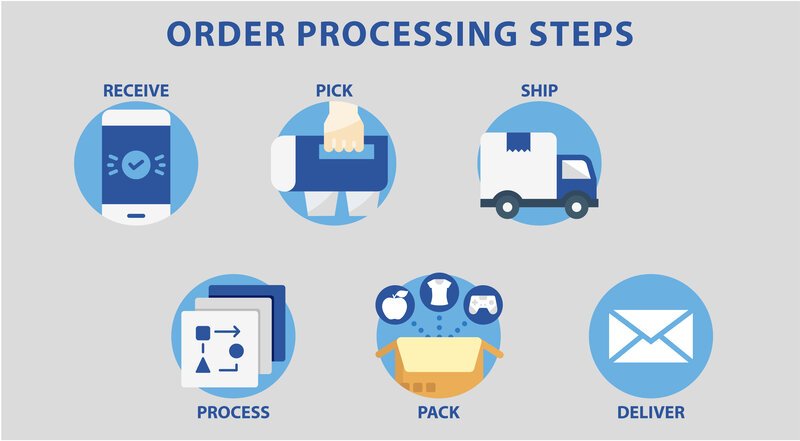
Keeping control of inventory, orders, and customer service helps improve your Amazon operations. Smart stock tracking prevents overstocking and shortages while maintaining a reliable shopping experience.
Monitor your orders, shipment updates, and sales performance regularly to keep operations running smoothly. Although Amazon handles fulfilment, staying informed helps you quickly identify and solve any issues.
Building trust starts with excellent customer service. By handling questions and complaints efficiently, you can improve reviews, customer confidence, and brand growth.
Analyse your operations, sales data, and customer reviews to make continuous improvements. Better management leads to higher efficiency, customer trust, and long-term growth.
13. Track Performance, Profits, and Business Growth

Regularly reviewing your sales reports, profit margins, and business metrics gives you valuable insights into your performance. Make informed decisions to support steady business growth
1. Monitor Sales Performance:
Analyse key performance metrics, including sales volume, conversion rate, search rankings, and ad performance, to improve your listing and increase profitability.
2. Calculate Your Profits:
Analyse your sales, product costs, fulfilment fees, advertising expenses, and shipping costs to understand your financial performance and maximise profits.
3. Plan for Business Growth:
Base your growth strategy on real business data instead of guesswork. Continuous analysis helps you make smarter decisions and scale more efficiently.
14. Amazon FBA Tips for Long-Term Success
Building a strong Amazon FBA business requires patience, innovation, and consistent optimisation. Focus on creating value and improving every stage of your business.
1. Focus on Product Quality:
Product quality is the foundation of a successful Amazon FBA business. Offering reliable, well-made products helps build customer trust, generate positive ratings, minimise returns, and create loyal repeat customers.
2. Keep Learning:
The e-commerce world changes quickly, and successful sellers must adapt to new opportunities and challenges. Stay informed about Amazon policies, market trends, and proven strategies to improve your results.
3. Reinvest Your Profits:
Turn your earnings into future growth by investing in inventory, advertising, branding, and better business resources. A smart reinvestment strategy helps you build a scalable Amazon FBA business.
4. Diversify Your Products:
Don’t depend on one product for your success. Expanding your product range reduces risk, increases revenue opportunities, and builds a stronger Amazon FBA business.
5. Build a Strong Brand:
Focus on creating a consistent brand experience across your packaging, product quality, and customer interactions. A strong brand reputation helps attract loyal customers and increase long-term success.
6. Prioritise Customer Satisfaction:
Always aim to exceed customer expectations through excellent product quality and responsive service. Satisfied customers help strengthen your reputation, improve rankings, and support business growth.
Amazon FBA provides an opportunity to create an online business from home, but success requires strategy, consistency, and hard work. Research products carefully, build professional listings, and develop effective marketing plans.
With continuous learning and smart reinvestment, you can grow your Amazon store, strengthen your brand, and create a reliable source of income over time.