
How to Create and Sell an Online Course Successfully


If you have useful knowledge or professional experience, learning how to create and sell an online course can be a powerful way to monetize your skills.
You can turn your knowledge of digital marketing, blogging, business, design, photography, fitness, software, or other practical skills into a course that helps students learn and achieve real results
Creating a course is only the first step. To make it profitable, you need the right audience, content, platform, pricing, and marketing plan.
This guide explains how to create and sell an online course step by step, helping you choose the right topic, create useful content, launch your course, and attract students.
1. Choose a Profitable Online Course Topic
Start with a topic people are actively looking to learn. Your course should build on your expertise and offer a clear solution, skill, or result that matters to your target audience.
When selecting your topic, focus on the outcome students want. For example, “Build Your First WordPress Website in 30 Days” is more compelling than “Learn WordPress” because it communicates a clear goal and sets specific expectations.
A good course topic should solve a specific problem, target a clear audience, match your expertise, offer a measurable result, have enough demand, and provide useful lessons.
2. Identify Your Target Audience

Before creating your course, take time to understand the people you want to teach. Knowing their problems, goals, experience, and expectations will help you create lessons that are easier to understand and more useful.
Ask these questions:
- Who is my ideal student?
- What problem do they need help with?
- What do they already know?
- What challenges are they facing?
- What result are they hoping to achieve?
- What price would they consider worthwhile?
Research your audience using online communities, social media, forums, surveys, customer feedback, and keyword research. A deeper understanding of your students will help you create a course that provides real value.
3. Plan Your Course Content and Curriculum
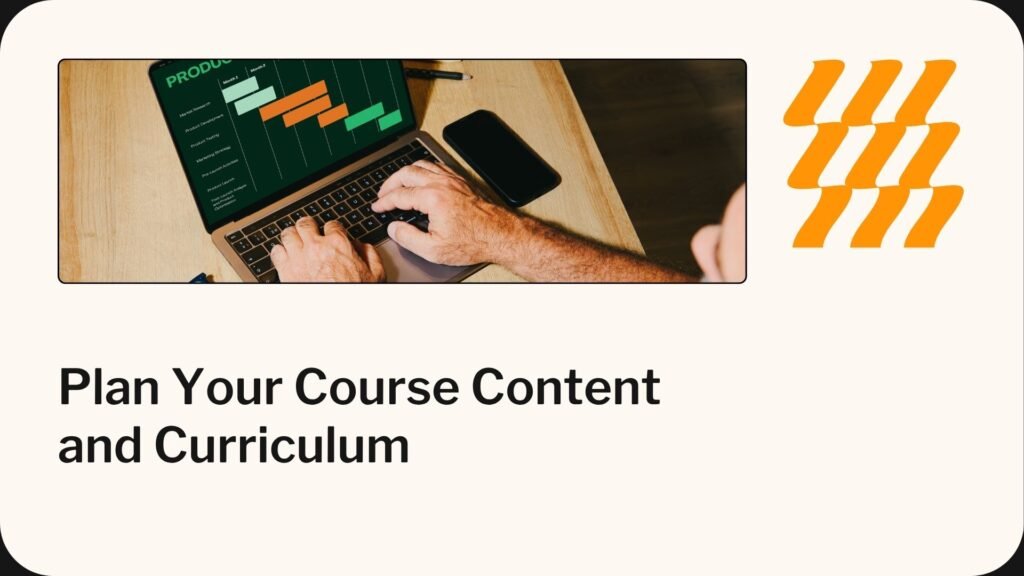
Build your curriculum around what students should be able to achieve by the end of the course. Instead of organizing lessons only around topics, organize them around the skills and results students need.
Structure your course around:
Learn → Practice → Apply → Improve
- Learn: Introduce the essential concepts and skills.
- Practice: Give students exercises and guided activities.
- Apply: Help them use what they learned in real situations.
- Improve: Teach optimization, troubleshooting, and advanced techniques.
This approach keeps your course practical and helps students see clear progress from the first lesson to the final result.
4. Choose the Right Course Format and Content Type

Think about how your students will learn best before deciding how to present your course. The right format should make your lessons clear, practical, and easy to follow.
Popular course formats include:
- tutorials
- Screen recordings
- Written guides
- PDF downloads
- Workbooks
- Checklists
- Quizzes
- Assignments
- Templates
- Live training
For example, a UI/UX design or Programming course may benefit from visual demonstrations, while a business course can combine videos with practical worksheets and assignments. A balanced approach can improve engagement.
5. Create High-Quality Online Course Content
Think about the result students should achieve when creating each lesson. Keep your content focused and practical so students can easily understand the information and apply it themselves.
Structure your lessons like this:
- Introduce the lesson
- Explain why it is useful
- Teach the core concept
- Demonstrate how it works
- Give students an action step
- Summarize what they learned
Keep your lessons practical and easy to understand. Simple equipment is enough when your content is well organized and your explanations are clear and useful.
6. Choose the Best Online Course Platform

Your course platform affects how easily you can build, sell, and manage your online course. Explore the best online course platforms, such as Kajabi, Thinkific, Udemy, Skillshare, and Teachable, and compare their features, pricing, and audience reach.
The right choice should make it easy to build your course, accept payments, communicate with students, and monitor performance.
When comparing platforms, consider:
- Platform pricing
- Transaction fees
- Course creation features
- Payment methods
- Marketing tools
- Student management
- Email integrations
- Customization
- Analytics
- Future scalability
If you want maximum control over your website and branding, a WordPress-based course system can be a strong option. If you want to launch quickly, a hosted platform may be more practical.
7. Record, Edit, and Publish Your Course Videos

If you’re creating a video-based course, make each lesson clear, concise, and focused on one learning objective. Good preparation can make the recording and editing process much easier.
Before recording:
- Prepare your lesson plan
- Test your microphone
- Check your camera or screen
- Find a quiet space
- Remove distractions
- Practice key sections
- Organize your files
For screen tutorials, keep the display clean and make sure important details are visible. After recording, remove mistakes, awkward pauses, and unnecessary content during editing.
You don’t need a perfect production setup. Clear audio, useful visuals, and valuable teaching are what matter most.
8. Set the Right Price for Your Online Course
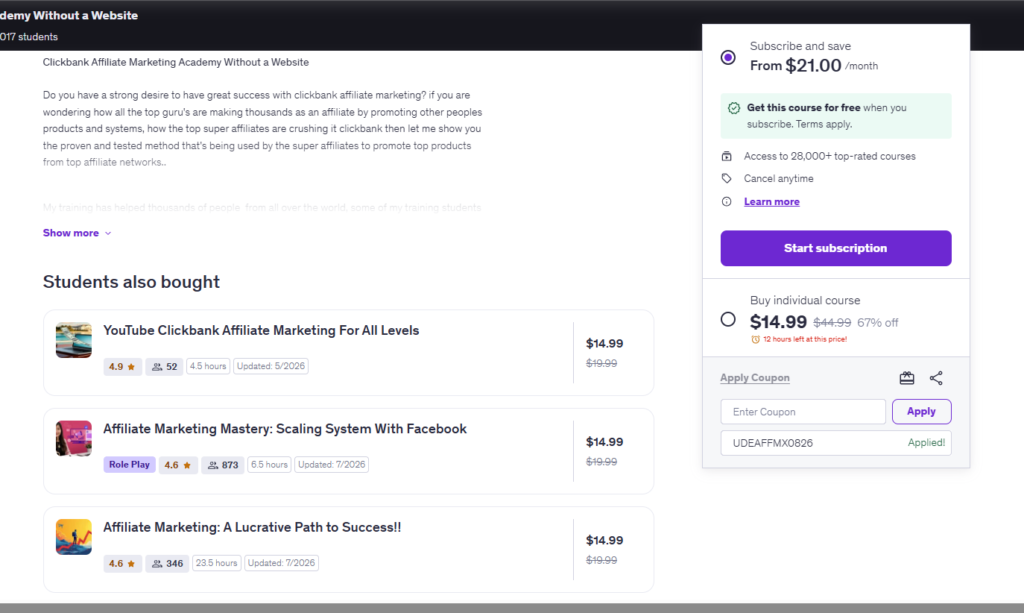
A good course price should match the value students expect to receive. Instead of focusing on course length, consider the knowledge, skills, solutions, and outcomes your course provides.
Research similar courses and evaluate your audience, expertise, course benefits, and additional materials. A short course that helps someone increase their income or develop a valuable skill can offer significant value.
You can test:
- Introductory prices
- Standard pricing
- Launch discounts
- Course bundles
- Payment plans
- Premium packages
Start at a reasonable price and optimize your offer as you gather feedback and learn what your audience is willing to pay.
9. Create a High-Converting Course Sales Page
A well-designed sales page can turn interested visitors into paying students. Clearly communicate the value of your course and show potential students how it can help them solve a specific problem or achieve a desired result.
Your sales page should include:
- A compelling headline
- A clear course introduction
- The problem and solution
- Key learning outcomes
- Course curriculum
- Who the course is for
- Course features and resources
- Student testimonials
- Instructor information
- Pricing and payment plans
- Bonuses
- A clear call-to-action
Keep your copy focused on benefits and outcomes. Make the page simple to scan and give visitors enough information to make a confident buying decision.
10. Set Up Payments and Course Delivery
Your students should have a simple path from discovering your course to starting their first lesson. Before launch connect your sales page, checkout system, payment method, and course platform properly.
Test your checkout process to make sure payment, emails, login, and course access work smoothly.
Check your refund policy and automated emails as well. A well-organized enrollment process saves time, reduces customer support questions, and helps students start learning without frustration.
11. Build an Email List and Prepare for Launch
A strong email list gives you a direct way to reach people who are already interested in what you teach. Start building your list during the course creation process instead of waiting until launch.
Offer a useful free resource that solves a small part of the problem your course addresses. Examples include checklists, ebooks, templates, free tutorials, webinars, and mini-courses.
A useful pre-launch sequence can be:
- Email 1: Explain the main challenge
- Email 2: Give actionable advice
- Email 3: Discuss mistakes
- Email 4: Introduce your solution
- Email 5: Highlight course benefits
- Email 6: Announce the launch
- Email 7: Send a final reminder
Use your emails to educate and build trust while gradually showing subscribers how your course can help them.
12. Market and Launch Your Online Course

Creating a great course is only half the process. You also need to promote it through the right channels and reach people who are interested in your topic.
- SEO: Publish helpful blog posts targeting questions and keywords related to your course to attract organic traffic from Google.
- Social Media: Share useful tips, tutorials, case studies, and educational content on platforms where your audience is active.
- YouTube: Create free videos that solve smaller problems and introduce your full course to viewers who want deeper training.
- Email Marketing: Use your email list to share valuable content, announce your launch, answer questions, and promote your course.
- Affiliate Marketing: Partner with relevant creators, bloggers, or influencers and offer them a commission for successful course referrals.
- Paid Advertising: Start with a small budget, test different ads, and track conversions before increasing your spending.
Focus on the marketing channels that best match your audience and consistently promote your course with useful content.
13. Get Your First Students and Collect Feedback
Getting your first few students is more important than trying to build a huge audience right away. Start with people who already trust you or have shown interest in your course topic.
Ask students which lessons were most useful, which areas need more explanation, what content is missing, and whether the course met their expectations. Keep your questions brief and direct.
Improve your course based on student feedback and use their results to strengthen your marketing. Genuine reviews can help future customers feel more confident.
14. Improve Student Engagement and Scale Your Course Business
Your course should improve as your students’ needs become clearer. Review feedback regularly and update your lessons, resources, and activities to make the learning experience more engaging and effective.
You can keep students involved by:
- Adding practical projects
- Using quizzes
- Providing worksheets and templates
- Offering live Q&A sessions
- Creating a private community
- Sending learning reminders
- Updating older content
- Celebrating milestones
After establishing consistent sales, explore ways to scale. Advanced courses, bundles, memberships, coaching programs, and affiliate partnerships can help you expand your business.
The long-term goal is to create valuable learning products that help students succeed while generating sustainable revenue.
Creating and selling an online course successfully involves planning, content creation, marketing, and continuous improvement. A strong course starts with a useful topic and a clear audience, then combines valuable lessons with a simple buying and learning experience.
You don’t need a huge audience to get started. Launch with a focused course, learn from your first students, improve where necessary, and gradually expand your content, audience, and income.






Полезно. Blob Opera и ритм-игры: The Choicer Voicer: . The Choicer Voicer