How to Make Money Blogging for Beginners! (7 Proven Methods)


Are you looking to learn how to make money blogging in 2026?
Blogging today is a complete online business that anyone can start, even with no experience.
You don’t need high knowledge or a big budget—just a domain, hosting, and WordPress. Success comes to those bloggers who follow a system and stick to it.
Today, blogging is about building a business, not just publishing posts—affiliates, ads, and products can earn you money.
New bloggers try to do too many things at once or choose the wrong way to make money. Success comes only when you follow the right approach step by step.
In this guide, you’ll discover 7 proven ways to make money blogging for beginners. You’ll learn which methods work with low traffic, which scale with growth, and how to combine them to maximize income.
No matter your goal—you can start part-time income or long-term freedom—this guide gives you a practical roadmap to monetizing your blog properly.
Method 1: Affiliate Marketing
Affiliate marketing is the easiest and most profitable way for beginners to make money blogging. No products to create, no payments to handle, no customer support—just recommend helpful products and earn a commission whenever readers buy through your link.

When readers use your link to make a purchase, you earn money. This is effective even with a low budget and small audience.
Before you start a blog and make money online, get a domain and hosting. Hostinger is perfect—only $1.99/month with a free 1-year domain.
How Affiliate Marketing Works
- Choose an affiliate program in your niche.
- Each product gets its own affiliate link.
- Create helpful content that naturally promotes the product
- Earn commissions when readers purchase through your link
Beginners with 5k–10k visitors may earn $50–$500 per month at first. If you write at least 20+ high-quality blog posts, your traffic and trust will grow, and affiliate income can scale to four or five figures monthly.
Popular Affiliate Programs for Beginners
- Amazon Associates: Physical Product like Shoes, Dress, Electronics & Accessories etc.
- Hosting programs (Hostinger, Bluehost, etc.)
- Software and tools (Semrush, Ahrefs)
- Online courses and digital products (Thinkific, coursera, udemy etc)
Choose products you trust and that genuinely help your audience. If you promote digital products, you can earn higher income compared to physical products.
Affiliate marketing is a strong monetization choice for first-time bloggers—simple, low-risk, and scalable with SEO
Method 2: Display Ads
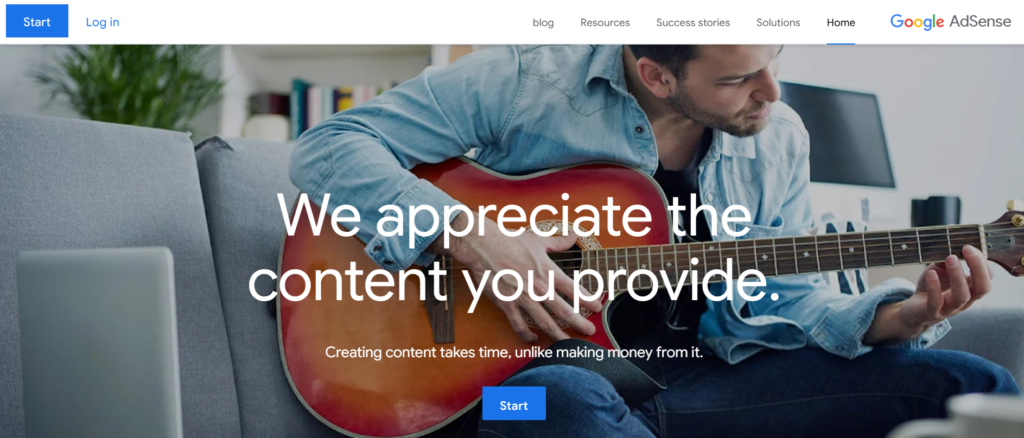
Display ads is the easiest and most suitable way for beginners to make money blogging. Once you have a steady stream of traffic, you can earn money when visitors view or click on your ads – no sales required.
How display ads works:
You simply join an ad network, add their ad code to your blog, and ads start showing automatically. You earn money when visitors view or click those ads—no selling, no follow-ups, just traffic turning into income.
New bloggers can use Google AdSense for an easy start, Ezoic for revenue optimization with growing visitors, and Mediavine/AdThrive for top-tier, high-paying ad networks.
✅ Pros of Display Ads
✔ Fully passive income
✔ No products or sales required
✔ Easy to set up
✔ Works alongside affiliate marketing
❌ Cons of Display Ads
✖ Requires traffic to earn well
✖ Too many ads can slow your site
✖ Lower income compared to affiliates at low traffic
Who display ads are best for:
Display ads work best for blogs with informational content and steady traffic. The more visitors you get, the more you earn.
Display ads work best if:
- You publish SEO-focused content
- You get consistent organic traffic
- Your niche has high visitor volume (tech, blogs, how-to, news)
A beginner blog with 10k–30k monthly visitors can earn around $100–$300/month from ads. As traffic scales, ad income can grow to four figures or more.
Pro tips for beginners:
- Focus on SEO and traffic first—ads depend on visitors
- Don’t overload your site with ads (bad for user experience)
- Combine display ads with affiliate marketing for higher income
Display ads are a low-effort monetization method that pays more as visitors increase.
Method 3: Sponsored Posts
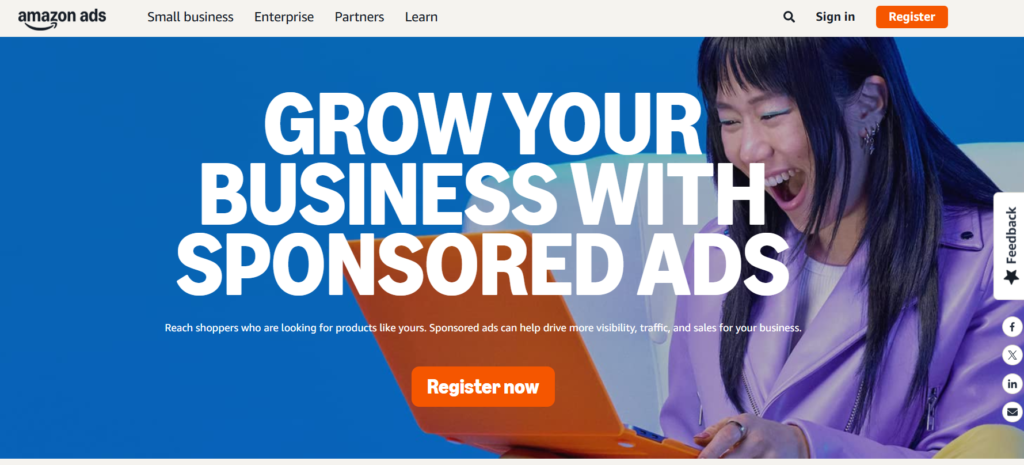
Sponsored posts are a powerful way to make money blogging. When your site has a clear target audience and steady traffic, sponsored content becomes one of the most effective monetization methods. Brands pay a fixed fee to feature their products, services, or stories on your blog.
Unlike ads or affiliates, sponsored posts provide attractive and upfront income, so they are effective even for low-traffic blogs if you have the right audience.
how Sponsored Posts work
Sponsored content may include reviews, tutorials, or brand features—success comes from promoting only what truly fits your niche and audience.
This method works best in niches such as lifestyle, fashion, tech, food, travel, wellness, and personal development—where engaged readers and strong brand interest drive results.
Sponsored posts are ideal if:
- Engaged readers who value your content
- Consistent posting schedule
- Professional approach to brand relationships
New bloggers don’t need a lot of traffic to get started. Many brands work with small, focused blogs, even for blogs with 1,000–10,000 monthly visitors, the real important thing is credibility, relevance, and quality content.
How Much You Can Earn
Sponsored post pay varies a lot by niche, traffic, and reach, but here’s a general idea:
- Smaller blogs (1k–5k monthly views): $30–$150 per post
- Growing blogs (5k–20k monthly views): $150–$500 per post
- High-traffic blogs (20k+ visitors): $500–$2,000+ per post
These are general estimates; tech, finance, and lifestyle often pay higher.
You can contact brands directly, use influencer marketplaces, or add your blog to a sponsorship platform. As your blog grows in influence, brands will find you.
Method 4: Selling Digital Products
Selling digital products is one of the most scalable and profitable ways to make money blogging, especially when you have strong engagement with your readers.
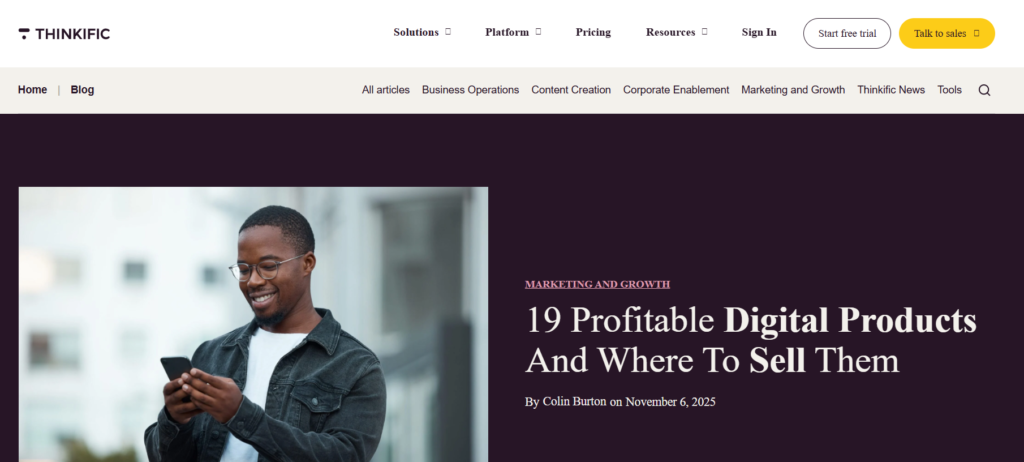
There is no need to promote other people’s products—once you use your own product, it will be given to you again and again.
Since digital products don’t have a lot of overhead, it creates a safe and scalable income path for new bloggers.
Types of Digital Products You Can Sell
- E-books & Guides: Step-by-step tutorials, niche-focused guides, detailed specialty manuals and expert-led resources.
- Online Courses & Tutorials: Teach skills, software, use video content, resources, PDF, or membership access
- Printables & Templates: Budget planners, calendars, social media templates, resumes
- Stock Photos, Graphics & Design Assets: For creative or visual niches
- Software & Tools: Plugins, apps, calculators, or scripts (advanced, but high-paying)
- Membership Sites: Exclusive content or communities for subscribers
- Workbooks & Checklists: Actionable tools that save readers time
Small blogs can earn hundreds of dollars a month through valuable digital products, and doctors can turn them into full-fledged businesses.
Why Digital Products Work for Beginners
- High Profit Margins: No production or shipping costs
- Passive Income Potential: Create once, sell indefinitely
- Brand Authority: Offering products builds credibility and trust
- Full Control: You set pricing, delivery, and marketing strategy
Why This Method Scales So Well
Beyond the limitations of affiliates or advertising, digital products create a steady and controlled income path for bloggers.
Bundling, email capture, credible reviews, and regular development work together to increase digital product sales.
Method 5: Offering Services
Offering services is the most effective way for new bloggers to start earning quickly.. Capture your story and experiences using a blog. It is a lead-generation network.
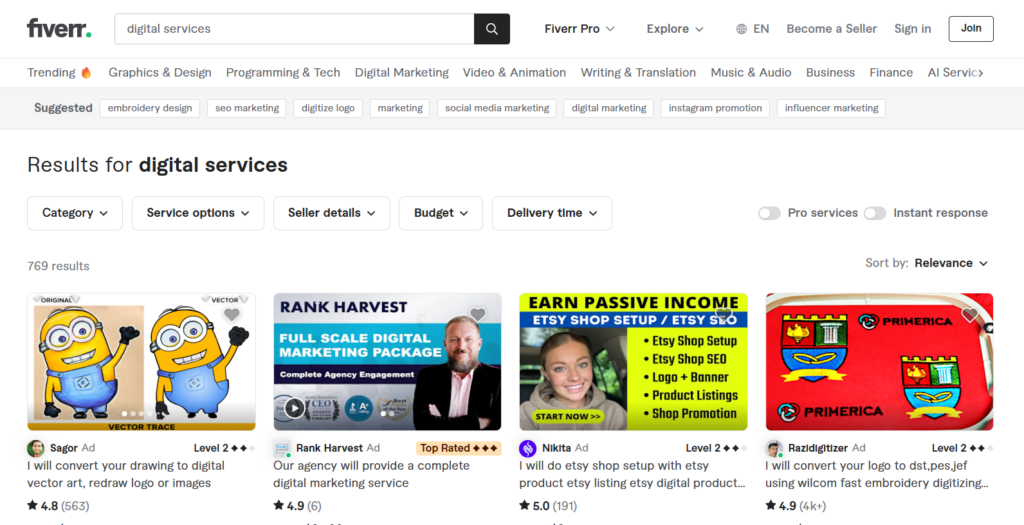
Your blog becomes a personal portfolio that proves your expertise and builds trust before clients ever contact you.
What Services Can Bloggers Offer?
You don’t need to be an expert—just a little more knowledge than the readers will do. Popular beginner-friendly services include:
- Freelance writing or blog content creation
- SEO services (keyword research, on-page optimization)
- WordPress setup, design, or maintenance
- Social media management
- Email marketing setup and newsletters
- Coaching or consulting (blogging, niche skills, tools)
For new bloggers, offering services is the most effective way to generate income quickly. Without a product or listing, use your knowledge to generate direct income.
Showcase your skills through informative blog posts, add a “Hire Me” section, provide proof of results, and turn readers into satisfied, long-term clients.
How Much Can You Earn?
Service income depends on skill and time, but typical beginner ranges are:
- $20–$40 per hour for basic services
- $500–$1,500+ per month with a few regular clients
- Higher rates as your experience and demand grow (ecommerce)
This method scales well if you increase prices, specialize, or package services.
Focus on one service and solve specific problems rather than offering everything. Showcase your expertise on a blog, get reviews from early clients, and gradually increase your prices.
Providing a service gives you full control over pricing and clients, quickly gains trust, and turns it into a permanent online business in the future.
Method 6: Memberships and Subscriptions
Memberships and subscriptions are powerful strategies for bloggers to generate regular income. Readers pay consistently for exclusive content or access to a private community.
You can offer members premium articles, detailed guides, and step-by-step tutorials, and enhance their experience with exclusive webinars, videos, podcasts, and actionable resources.
Memberships provide a steady income stream, even with only a few paying members. Exclusive content builds authority, while engaged, dedicated readers create a trusted community around your blog.
How to Get Start it:
- Decide what to offer: Focus on content, tools, or services your audience values.
- Choose a platform: Use tools like MemberPress, Patreon, or Podia to manage subscriptions.
- Create high-value content: Ensure members feel their payment is worth it.
- Set pricing: Start low for early members and raise as you add value.
- Promote memberships: Highlight benefits through your blog posts, newsletters, and social media.
Start with a focused membership, offer special resources, and keep members engaged regularly. Offering exclusive content helps build a thriving, paying community.
Exclusive content transforms low-traffic blogs into sustainable income platforms. Paying members provide a steady cash flow, allowing your blog to scale efficiently.
Method 7: Email Marketing & Lead Generation
Email marketing is a powerful long-term way to make money blogging—especially for beginners. Your email list is an asset you own—no algorithms, no limits. Reach subscribers anytime, build trust, and monetize again and again.
Instead of relying only on ads or one-time visitors, email marketing helps you turn readers into loyal subscribers—and subscribers into income.
Exchange a targeted free resource for an email, then use consistent, helpful emails to create trust and income over time. You can reach readers directly through email, which is more effective than advertising and affiliates.
What You Can Promote Through Email
- Affiliate products and tools you recommend
- Your own digital products (ebooks, courses, templates)
- Services or coaching offers
- Memberships and subscriptions
- Sponsored email promotions
Build relationships first, sell later—that’s the key to successful email marketing.
How Much Money Can Bloggers Earn?
A common question every beginner asks is, “Can I really make money blogging—and how much?”
The honest answer is: Blogging income depends on niche, effort, and patience, but the earning potential is real and scalable.
Beginner Blogging Income (0–6 Months)
Most beginners earn little or nothing in the first few months. This phase is about learning, publishing content, and building traffic, not quick profits.
Typical earnings: $0–$200 per month
Beginners usually focus on affiliate marketing, basic display ads (if traffic allows), and building an email list. Many earn their first $50–$100 once a few posts start ranking or affiliate links convert.
Intermediate Blogging Income (6–18 Months)
With consistent content and growing traffic, income becomes more stable.
Typical earnings: $500–$2,000 per month
At this level, bloggers rank for multiple keywords, earn recurring affiliate commissions, and combine ads with digital products. Blogging starts to feel like a serious side income.
Advanced Blogging Income (2+ Years)
Experienced bloggers treat their blog like a business.
Typical earnings: $2,000–$10,000+ per month
They rely on high-ticket affiliates, their own products or memberships, sponsored content, and strong SEO and email marketing. Some full-time bloggers reach six-figure annual income by scaling traffic and systems..
What Affects Blogging Income?
Several factors determine how much money a blogger can earn:
- Niche selection: Tech, finance, hosting, and marketing pay more than general topics
- Traffic quality: Targeted traffic converts better than viral traffic
- Monetization strategy: Affiliates and digital products often outperform ads
- Consistency: Regular publishing leads to long-term growth
- SEO & content quality: Ranking content drives passive income
How to Choose the Right Monetization Methods?
Choosing the right monetization method is as important as starting your blog. For beginners, the goal isn’t to use every method at once—it’s to pick the ones that match your niche, traffic level, and skills.
Know your niche and audience goals—this determines whether ads, affiliates, or products will work best. If traffic is low, start with affiliates, services, or email; add ads and sponsors later as traffic grows.
Match monetization to your time and goals: services for fast income, affiliates and digital products for passive growth—choose what you can maintain.
Always prioritize trust and value. Promote only what helps your audience. Long-term blogging income comes from credibility, not shortcuts.
Note: Focus first on affiliate promotions and list building, then scale with ads, products, services, or memberships.