Blogging vs. YouTube: Which Is Better for Making Money?

If you’re searching for the best way to make money online, the discussion about blogging vs. YouTube is so popular that it cannot be ignored. Both platforms have helped thousands of creators earn a full-time income, but they work in very different ways.
Blogging is based on written content and search engine traffic, while YouTube focuses on video content and audience engagement. Because of these differences, many beginners feel confused about where to start.
Some people believe blogging is the best choice for passive income and long-term stability. Others think YouTube is better for faster growth and a stronger connection with the audience.
The truth is, both platforms can be highly profitable—the right choice simply depends on your skills, goals, and overall strategy.
In this article, we provide a clear and practical comparison of blogging vs. YouTube. We’ll explain how each platform makes money, what it costs to get started, and the key skills you need. By the end, you’ll have a clear direction for your journey.
1. Quick Overview: Blogging vs YouTube
To start, let’s quickly compare blogging vs YouTube. This overview explains the key differences in a simple way. It will help you match the platform with your goals.
| Feature | Blogging | YouTube |
|---|---|---|
| Content Type | Articles | Video |
| Startup Cost | Low (domain + hosting) | Medium (camera, mic, editing tools) |
| Traffic Source | Search engines (SEO) | YouTube algorithm & recommendations |
| Skill Required | Writing, SEO, research | Speaking, editing, presentation |
| Platform Control | High (you own your website) | Low (platform-controlled) |
| Time to Monetize | Medium (3–6 months) | Medium–Slow (6–12 months) |
| Income Sources | Ads, affiliate, products | Ads, sponsorships, affiliate |
Blogging is perfect for steady growth and long-lasting passive income through SEO. YouTube is ideal for faster results and building a loyal audience quickly.
But remember, blogging offers full control, while YouTube depends on algorithm changes.
2. How Blogging Makes Money
Blogging is an effective way to increase your online income in the long run. It offers a variety of income streams. Once the content performs well, it generates regular income. Here is most common and profitable 4 categorie to generate income by blogging systems:
#1. Affiliate Marketing

Affiliate marketing is the #1 income source for most successful bloggers because it’s simple, scalable, and highly profitable. You promote products with special links and earn commissions on every purchase.
It’s powerful because you don’t need to create your own product. It works in almost every niche and supports long-term income. With $50–$500+ per sale, consistent traffic can generate strong results.
#2. Display Ads
Display ads are one of the easiest ways to generate income from a blog. You earn money through ad impressions and clicks.
Popular Ad Networks:
- Google AdSense (best for beginners)
- Ezoic (better optimization and earnings)
- Mediavine (high income for established blogs)
Most blogs earn around $10–$50 per 1,000 visitors (RPM), with higher earnings possible in premium niches.
#3. Sponsored Content
When your blog starts attracting regular traffic, brands will begin offering paid collaborations. You’ll create sponsored content that introduces their products to your audience. These posts often include backlinks or brand mentions, helping you earn while growing your authority.
This approach offers immediate monetization while building valuable connections with companies. It works best when your blog targets a specific audience.
Earning Potential
- Beginner blogs: around $50–$100 per post
- Growing blogs: $200–$500+ per post
- Authority blogs: $1000+ per collaboration
#4. Selling Digital Products
Digital products are a powerful way to monetize your expertise. You create valuable content and sell it directly to your readers. This method offers passive income and strong scalability.
Popular Digital Products:
- eBooks
- Online courses
- Templates (design, business, SEO)
- Checklists and guides
Digital products are highly profitable thanks to their 80–90% margins. One successful product can grow into a long-term income source worth thousands monthly.
3. How YouTube Makes Money
YouTube is one of the most effective platforms for creators to earn online. Your income relies heavily on audience engagement, including views, watch time, and interactions. No matter how big or small your channel is, you can monetize in several ways.
#1. Ad Revenue (YouTube Partner Program)
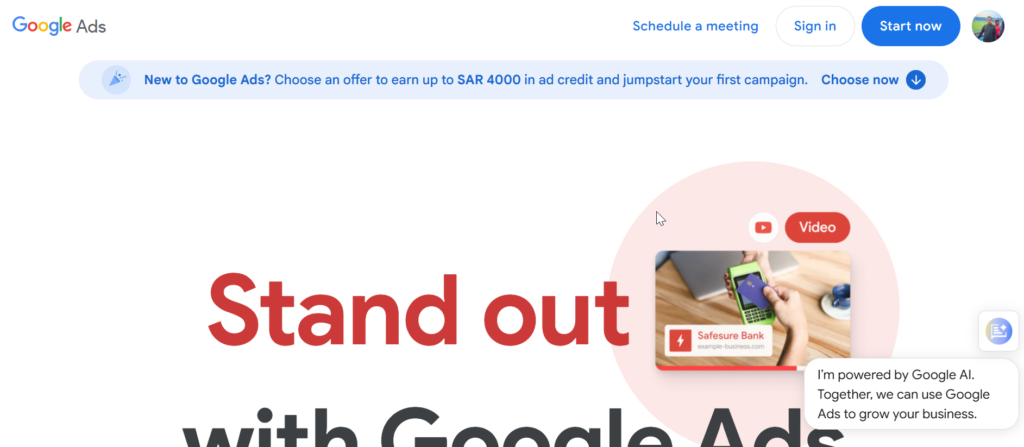
For new YouTubers, ad revenue is the simplest way to make money. You’re paid for ads shown on your videos, with earnings determined by how engaged your audience is.
Channels must meet the minimum requirements of 1,000 subscribers and 4,000 watch hours in the previous 12 months to join the Partner Program.
Earnings & CPM
- Average CPM: $2–$10 per 1,000 views (varies by niche, audience, and country)
- High-paying niches such as finance, tech, and business can earn significantly more
Not all views convert to earnings. Actual revenue depends on your audience’s engagement, the quality of viewers, and ad placement. Channels with a devoted, active fanbase typically earn more.
#2. Sponsorships & Brand Deals
YouTube sponsorships provide some of the highest-paying opportunities for creators. Brands pay you to promote their products in your videos, whether it’s a brief mention, a full review, or a dedicated sponsored segment.
Earning Potential
- Small channels: $50–$200 per video
- Growing channels: $200–$1000+
- Large creators: $1000+ to $10,000+ per deal
Sponsorships provide a unique advantage: direct, high-paying income that isn’t tied to YouTube ads. Channels with loyal, niche audiences are especially appealing to brands.
#3. Affiliate Marketing
Affiliate marketing is highly effective on YouTube, particularly for product-focused content. Creators promote products within their videos and include affiliate links in the description, earning a commission whenever viewers click and make a purchase.
The best types of content for affiliate marketing include product reviews, tutorials, and “best tools” or comparison videos, as these formats naturally guide viewers toward making buying decisions
Earning Potential
- Can range from small commissions to high-ticket earnings ($50–$500+)
- Passive income from old videos
Videos can rank on YouTube search, meaning you can earn from the same video for months or years.
4. Startup Cost Comparison: Blogging vs YouTube
Before choosing blogging vs YouTube, it is important to have a clear idea about the cost. Although the cost can be started at a low cost, the cost varies depending on the quality and goals. Let’s break it down in detail:
💻 Blogging Startup Costs
Blogging is a popular and low-cost way to make money online. It can be started with very little investment, making it an ideal option for beginners. Essential Costs:
- Domain Name: ~$10–$15/year
- Hosting: ~$3–$10/month ($36–$120/year)
- CMS (WordPress): Free
If you’re starting your blogging journey, Hostinger is an excellent choice for beginners. With plans starting at just $1.99 per month and 1 year free domain included, it’s a budget-friendly option for new blog and affiliate marketing websites.
🎬YouTube Startup Costs
YouTube technically doesn’t cost much to start, so it’s suitable for beginners. However, creating high-quality content requires some investment. You can start simply and then improve step by step. Essential Costs:
- Smartphone or camera: $0–$600
- Microphone: $20–$120
- Lighting setup: $20–$120
- Editing software: Free–$30/month
You don’t need an expensive camera at first. A smartphone with a decent camera works perfectly. Upgrade equipment only as your channel grows.
5. Traffic vs Views: Understanding Audience Growth
A successful online strategy starts with understanding audience growth. Blogging and YouTube differ in how they bring users, making this knowledge crucial for planning.
💻 Blogging Traffic
Blogging traffic is mainly search engine-dependent, especially Google. With proper SEO, your content can bring in visitors for a long time.
- Source: Organic SEO traffic, backlinks, and social platforms
- Growth Pattern: Slow and consistent, depending on ongoing content creation and search engine optimization.
- Longevity: Evergreen growth; older articles can keep delivering steady traffic and passive income.
Blogging success requires time, patience, and the right SEO strategy, which will slowly but steadily increase traffic.
🎬YouTube Views
YouTube views depend on algorithms, searches and shares. Sometimes it goes viral quickly, but it doesn’t always stay consistent.
- Source: YouTube recommendations, search, playlists, external shares
- Growth Pattern: Can be exponential; viral videos can generate thousands of views fast
- Longevity: Moderate — some videos continue to get views for years, but trends fade faster
YouTube offers the potential for rapid growth, but it can be unpredictable. Consistent uploads, engagement, and understanding the algorithm are key to sustaining momentum.
6. Skill Requirements: Writing vs Video Creation
Choosing the right path between blogging and YouTube doesn’t just depend on money—your skills, experience, and comfort are equally important. Each platform demands different skills, so choosing the right one depends on your strengths and comfort level.

💻 Blogging Skills
Blogging is a writing-based platform where SEO is very important, and it’s perfect for people who like to work behind the scenes. Necessary skills include:
- Writing: Clear, engaging, and informative content
- SEO (Search Engine Optimization): Optimizing content to rank on Google
- Keyword Research: Finding topics people are actively searching for
Successful blogging requires some extra skills. Proper structure, research, and consistent effort increase the quality of the content.
🎬YouTube Skills
YouTube is a visually driven platform where engagement matters most, making it both exciting and demanding. Necessary Skills include:
- Speaking & Presentation: Clear communication and confidence on camera (or voice-over)
- Video Editing: Cutting, transitions, and adding effects
- Thumbnails & Storytelling: Creating eye-catching visuals and engaging narratives
To succeed on YouTube, creators must build important supporting skills. These include mastering lighting, improving audio, understanding retention, and expressing creativity with a confident on-camera style.
7. SEO vs YouTube Algorithm: Key Differences Explained
Understanding content discovery is key when deciding between blogging and YouTube. Blogs rely on SEO and search traffic, whereas YouTube’s reach depends on algorithmic recommendations driven by user behavior and engagement.
💻 Blogging (SEO)
Blogging success is powered by SEO. Well-optimized, valuable content that aligns with user intent can rank on Google, bringing long-term, consistent traffic to your site.
How It Works:
- Keyword-Based Ranking: Content ranks based on targeted keywords and search intent
- On-Page & Off-Page SEO: Includes content quality, backlinks, site speed, and structure
- User Intent Matching: Google prioritizes content that best answers user queries
A single well-optimized blog article can provide consistent traffic for months or years. As you create more content, your keyword coverage grows, increasing traffic over time. For example, a “best hosting for beginners” post can bring visitors every day.
🎬 YouTube Algorithm
The YouTube algorithm promotes videos based on user engagement. Clicks, watch duration, and interactions dictate how widely your content is recommended to viewers.
How It Works:
- Watch Time: How long viewers stay on your video
- Click-Through Rate (CTR): How many people click after seeing your thumbnail/title
- Engagement Signals: Likes, comments, shares, and subscriptions
YouTube’s algorithm can give videos fast exposure and even help them go viral. Some videos, like tutorials, can reach 100K views in just a few days, while others may only get a few thousand, depending on engagement.
8. Income Potential: Which Platform Pays More?
When it comes to online revenue, both blogging and YouTube offer opportunities. Their earning styles and potential vary, so understanding them helps you make a strategic decision.

💻Blogging Income Potential
Blogging provides a stable, long-term income stream. Top-performing blogs can earn $1,000–$50,000 monthly depending on niche, audience, and strategy.
- Passive Income: Ranked blog posts can drive traffic and revenue for months, making passive income blogging’s key strength.
- Multiple Income Streams: Bloggers can monetize through affiliate marketing, display ads, sponsored content, and digital products—allowing for diversified earnings.
- Stability Over Time: Predictable growth makes blogs a stable income source with minimal algorithm risk.
🎬YouTube Income Potential
YouTube is a dynamic and audience-centric medium where rapid success depends on content creation and active participation. With the right strategy, YouTubers can grow their channels to generate $1,000 to $100,000+ monthly through ads, brand deals, affiliate income, and memberships.
- High Ceiling: In high-demand niches, YouTube creators can reach extraordinary income levels, often scaling to six or seven figures monthly.
- Constant Content Requirement: YouTube income depends on regular video uploads, and any slowdown in content can lead to a noticeable drop in engagement and earnings.
- Diverse Revenue Streams: With multiple revenue channels like ads and affiliate links, YouTube offers strong earning potential but relies heavily on audience engagement.
9. Pros and Cons of Blogging
✅ Pros:
- Creates long-term passive income with minimal ongoing effort
- You fully own and control your website and all content
- Build multiple income streams with ads, affiliate marketing, and digital products
- Budget-friendly setup for new creators
- Flexible structure that supports long-term scaling
❌ Cons:
- Requires time and consistency before showing meaningful results
- Demands knowledge of SEO, which may take time to develop
- Popular blogging niches face strong competition from established sites.
10. Pros and Cons of YouTube
✅ Pros:
- Creates powerful connections with audiences through visuals and storytelling.
- Builds credibility faster through personal video presence.
- YouTube’s algorithm can amplify videos and deliver rapid, large-scale exposure.
- Ad revenue, brand deals, affiliate links, memberships, Super Chats, and product sales
- Present your expertise and creativity to stand out and build authority.
❌ Cons:
- Making quality videos requires careful planning, shooting, and editing.
- Your revenue relies significantly on YouTube’s algorithm and ongoing platform policies.
- Requires cameras, audio equipment, lights, editing programs, and strong on-screen skills.
11. Who Should Choose Blogging?

Blogging is ideal for those who want to share their skills and experiences with others in writing. Unlike visual platforms, blogging lets you express thoughts through text, making it ideal for behind-the-scenes creators and introverts.
You should consider blogging if you:
- Prefer writing over speaking: If writing detailed guides, posts, and articles comes naturally, blogging provides the perfect creative outlet.
- Have a low budget: Blogging is low-cost to start, needing only a domain and hosting, which makes it highly accessible to new creators.
- Value long-term stability: Patience and consistency in blogging result in a predictable, scalable income stream.
- Focus on SEO content: If analyzing keywords and producing evergreen content appeals to you, blogging is a great fit.
Best Fit: Beginners, affiliate marketers, writers, and anyone aiming for stable, scalable, and passive online income.
12. Who Should Choose YouTube?

YouTube is ideal for those who like sharing content visually and building a loyal, engaged audience. Unlike blogging, YouTube relies heavily on on-camera presence, creativity, and engagement, so it’s best suited for those who enjoy being in front of the camera and expressing ideas visually.
You Should Choose YouTube If You:
- Enjoy being on camera: You’re confident speaking, presenting, or demonstrating ideas on camera.
- Love creating videos: You enjoy shaping ideas into engaging videos through planning, filming, and editing.
- Want faster audience growth: You’re looking for a space where your content can explode in reach overnight.
- Have creative storytelling skills: Attract viewers using creative visuals, clear storytelling, and smooth editing techniques
- Want multiple monetization options: YouTube offers ads, sponsorships, affiliate marketing, memberships, Super Chats, and merchandise.
Best For: Influencers, creative video makers, and those committed to consistent content.
13. Tools & Resources for Success
Using the right tools allows creators to focus on growth, improve quality, and maximize online income potential.
💻 Blogging Tools
- WordPress: A flexible and scalable platform ideal for both beginners and advanced bloggers.
- Ahrefs / SEMrush: Leading tools for identifying keyword opportunities, analyzing SEO performance, and tracking competitors.
- Grammarly: Improve the quality of your writing with greater clarity, correct grammar, and enhanced readability.
- Google Analytics & Search Console: Track traffic, rankings, and website performance.
🎬 YouTube Tools
- CapCut / Premiere Pro: Improve video production quality with powerful editing tools and smooth transitions.
- Canva: Design powerful thumbnails and visuals that help your videos get more clicks.
- OBS Studio / Audacity: Improve production standards with better video capture and high-quality audio
- YouTube Analytics / TubeBuddy: Track performance, optimize content, and grow faster.
If you enjoy crafting written content, blogging provides long-term passive income with full control. If you thrive on video creation and being on camera, YouTube is perfect. Pick the platform that suits your strengths and growth goals.