9 Best Freelancing Platforms to Turn Your Passion Into Income

Freelancing is a popular way to work independently without being tied to a traditional full-time job or 9-to-5 job.
Whether you excel at writing, graphic design, programming, video editing, digital marketing, photography, or any other skill, freelancing gives you the opportunity to turn that skill into a service and work with clients all over the world.
Freelancing platforms have created an online marketplace where clients can find the services they need and freelancers can leverage their skills.
In this guide, we’ll discuss the 9 best freelancing platforms and explain what benefits each platform offers, who it might be suitable for, and what you should consider before getting started.
We’ll also discuss how much money you can potentially make as a freelancer, which freelancing platform is right for your skills, and some practical advice on turning your hobby into a sustainable freelance career.
If you’re ready to turn your skills into opportunities, let’s discuss freelancing platforms that you can consider.
What Is Freelancing and How It Actually Works?

Freelancing is a freelance service where you offer your skills or services to different clients independently, without working as a permanent employee for a company. Depending on your skills, you can work on one-time projects, hourly work, or long-term contracts.
For example, If you enjoy graphic design, you could create logos, social media graphics, presentations, thumbnails, or website designs. If you enjoy video editing, you could edit YouTube videos, short-form content, reels, promotional videos, or social media clips.
Here are some popular freelance services through which you can earn money with your work.
- Content writing
- Copywriting
- Graphic design
- Web design
- Web development
- Software development
- SEO
- Digital marketing
- Social media management
- Video editing
- Animation
- Translation
- Virtual assistance
- Data entry
- Photography
- Voice-over work
- Business consulting
- Online tutoring
There is no obligation to be an expert in everything. Choose a specific skill or service, become an expert in it, and gradually expand the scope of your services.
What is the best freelancing platform for beginners?
Each has a different business model, audience, fee structure, and level of competition. Find a platform that fits your specific skills and type of work.
Now let’s take a look at nine popular platforms that you can consider.
1. Upwork
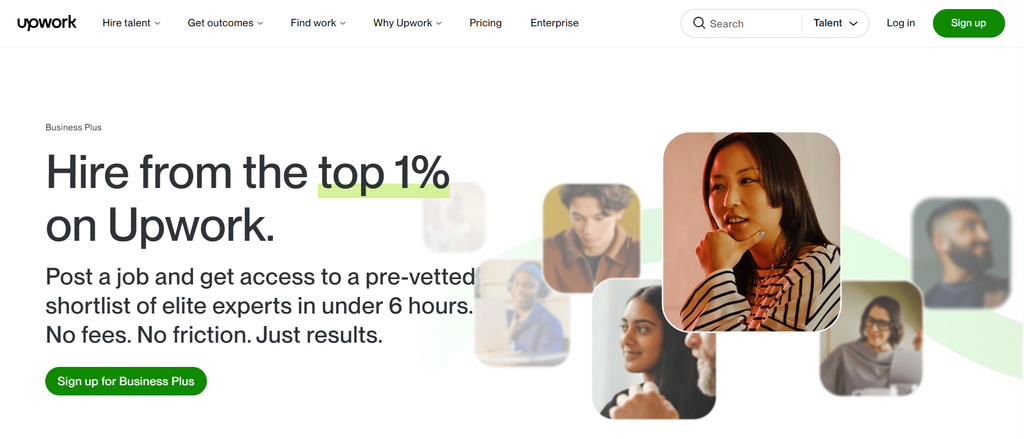
Upwork is one of the world’s most established online marketplaces for finding freelance work. It connects businesses and individuals with capable freelancers offering a variety of professional services.
This marketplace connects freelancers with clients through job ads and proposals. You can apply for projects by specifying your experience, skills, and pay rate. Jobs can be fixed-price or hourly.
You can find freelance work opportunities in fields like content writing, graphic design, web development, digital marketing, etc. For example, a client might hire you to write 10 blog posts for a fixed fee or pay you an hourly rate for ongoing work.
✅Pros:
- Thousands of freelance opportunities in various fields
- You can work on flexible hourly and fixed-price projects.
- There are different opportunities for different skills.
- Useful tools for managing clients and projects
- Suitable for both short-term and long-term projects
❌Cons:
- It may take time for the first proposal to be accepted and for personal recognition to be gained.
- You won’t be able to stay here for long without any quality skills.
Who Should Use Upwork?
If you have expertise in a specific service, have a portfolio to show off your work, and are comfortable applying for projects, Upwork can be a good option.
This can also be helpful for freelancers who prefer to actively seek out clients themselves, rather than just waiting for clients to find their services.
2. Fiverr
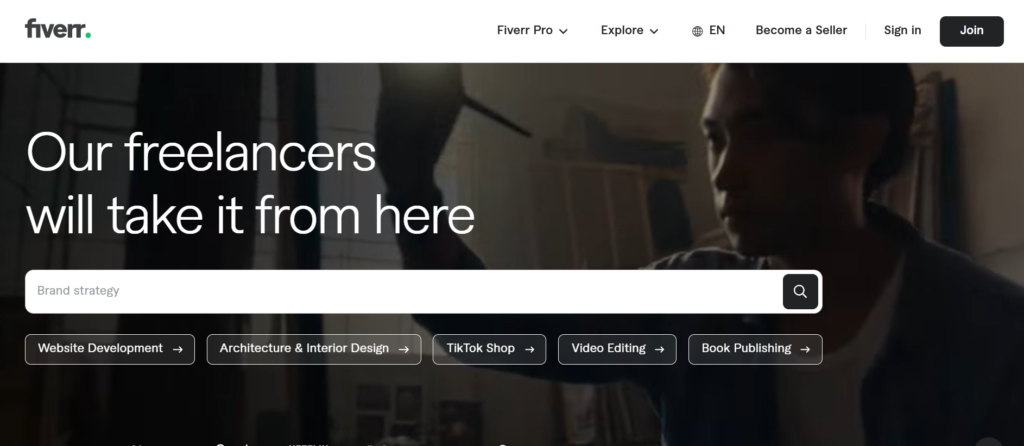
Fiverr is the world’s largest freelance marketplace, where freelancers can offer their services to clients around the world. Instead of applying to individual job postings, freelancers create listings of services called Gigs, detailing what they offer, their pricing, delivery times, and what clients will receive.
This platform supports a variety of freelance work, including writing, graphic design, logo creation, video editing, programming, web development, SEO, digital marketing, voice-over services, and virtual assistance.
You can start freelancing by creating a profile on Fiverr and creating a gig. Set the price, delivery time, and service package based on the services you offer.
✅Pros:
- Every service is a straightforward system
- Lets freelancers promote their skills through Gigs
- Clients can order services without lengthy job applications
- Works for many different freelance professions
- Useful for building experience and customer reviews
❌Cons:
- Some popular categories have crowds of competing freelancers.
- If you’re just starting out, it may take time to get orders.
- Fiverr charges a service fee on your completed orders.
Who Should Use Fiverr?
If you have a specific skill that can be offered as a tangible service, Fiverr can be a viable platform. You can create a gig and give clients the opportunity to find and buy your work.
3. Freelancer
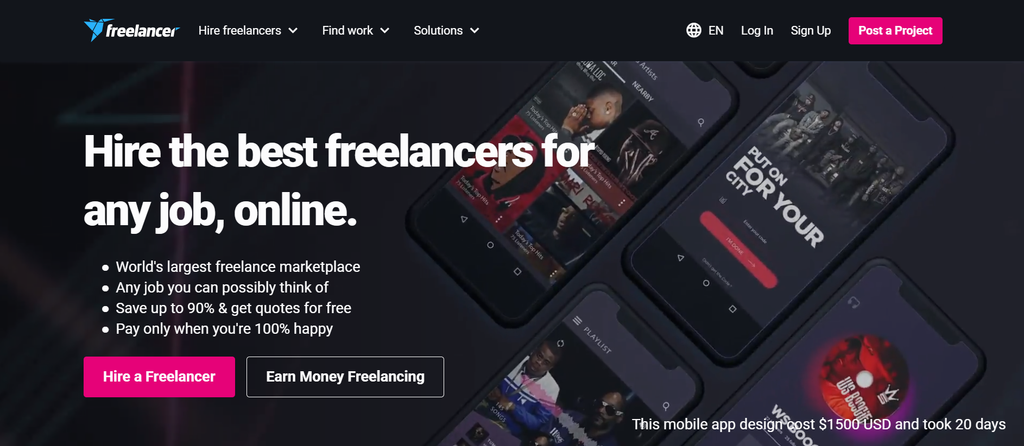
Freelancer.com is a global online marketplace that connects businesses with freelancers from all over the world and offers a variety of freelance projects. Whether you are a beginner or an experienced freelancer, you can find projects that match your skills.
The platform offers categories like content writing, graphic design, programming, web development, SEO, digital marketing, translation, data entry, and video editing. Here, you can find both hourly and fixed-price projects, including short-term and long-term opportunities.
Most projects are bidding-based. Clients post projects and freelancers submit bids, including their proposed price and work method. Freelancer also has various tools for communication, payments, project management, and milestone-based work.
✅Pros:
- There are plenty of projects to explore in different skill areas.
- Both hourly and fixed-price work is available.
- Gives freelancers the opportunity to work with international clients.
- Includes tools for communication, payments, and milestones
❌Cons:
- Bidding can take time and effort
- Building a strong profile may take time for beginners
Who Should Use Freelancer?
If you’re comfortable finding work and submitting bids, Freelancer could be a platform worth considering. It gives beginners the opportunity to explore different projects and build their freelance experience.
4. PeoplePerHour
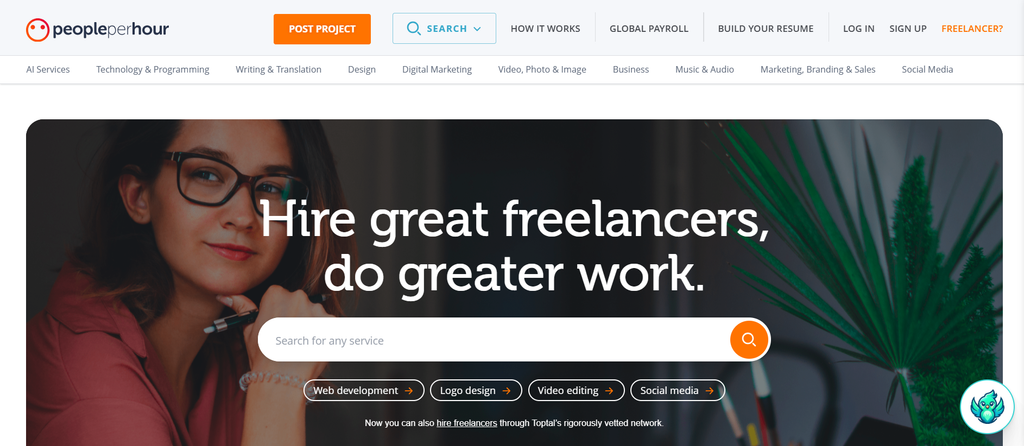
PeoplePerHour is an online freelancing platform for remote professionals for project-based work, connecting businesses with freelancers around the world. There are many job opportunities in these fields, such as writing, graphic design, web development, SEO, digital marketing, video editing, etc.
Freelancers can apply for projects posted by clients or create pre-defined service packages called ‘offers.’ For example, a writer can offer a 1,000-word blog post, while a designer can offer a professional logo design.
PeoplePerHour supports fixed-price projects and hourly work like Upwork. This platform also provides various tools for communication, invoicing, payment, and project management, which helps freelancers manage their work in one place.
✅Pros:
- Offers both freelance projects and predefined services
- Supports a wide range of freelance skills
- Both hourly and fixed-price work is provided.
- Connects freelancers with international clients
❌Cons:
- A 20% platform fee is charged from the first customer, which reduces your total income.
- It usually works based on a specific location.
Who Should Use PeoplePerHour?
If you want to actively apply for freelance projects as well as highlight specific services available for sale to clients, PeoplePerHour can be a viable option.
5. Toptal
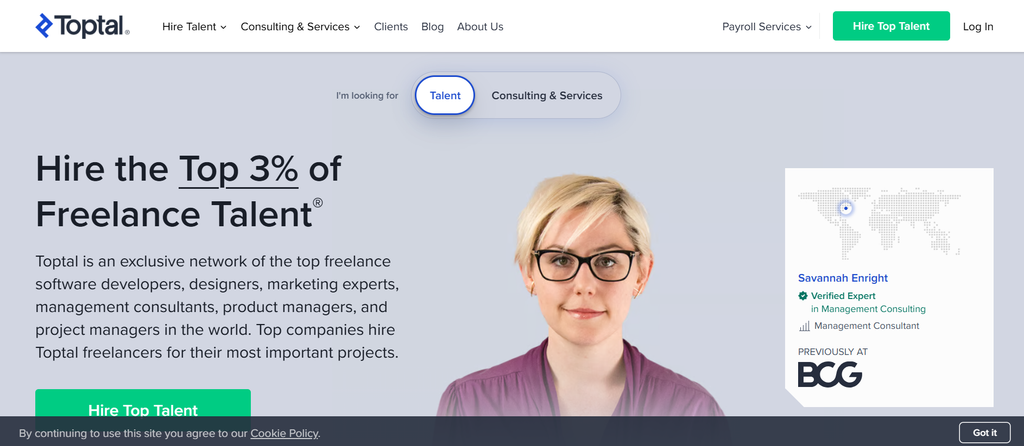
Toptal connects businesses with experienced freelancers who specialize in specific skills such as software development, design, finance, project management, and product management. The platform uses a selection process that helps it focus more on experienced professionals.
Once you are recognized for your work skills, freelancers can work on short-term or long-term projects with international clients. Toptal is more suitable for professionals who already have strong skills and experience.
✅Pros:
- There are high-quality opportunities for skilled freelancers.
- Strong focus on professional talent
- Can create possibilities for long-term projects
- There are opportunities with global business.
❌Cons:
- Gaining recognition can be difficult due to the strict terms of the primary label.
- It is very difficult and impossible for new freelancers.
Who Should Use Toptal?
Toptal is a platform for freelancers with proven skills, experience, and a strong portfolio. It may not be the easiest option for beginners who are just gaining experience.
6. Guru
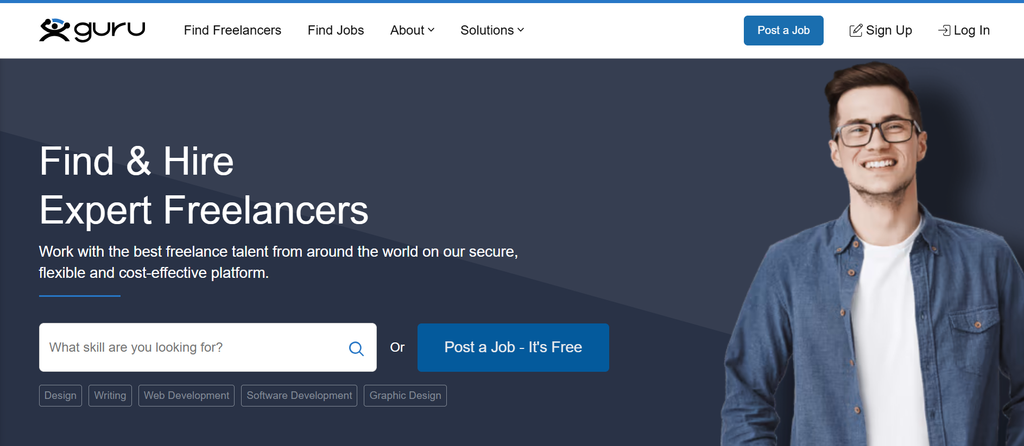
Guru is a worldwide freelancing premier platform where businesses can connect with independent professionals to get work done. It offers services in writing, design, programming, marketing, translation, finance, and more.
Freelancers can view projects posted by clients and submit quotations or proposals explaining their experience and pricing. Guru supports hourly, fixed-price, recurring, and task-based projects, and has built-in features for communication, project management, invoicing, and payments.
✅Pros:
- There are various types of freelance work opportunities.
- Supports different project and payment options
- Suitable for freelancers with different type of skills
- Includes tools for project management and payments
❌Cons:
- Competition can be intense.
- It can take time to gain a reputation through perfect skill.
Who Should Use Guru?
Guru can be a viable option for freelancers with specialized skills who want to find projects and connect with potential clients. It can be a good fit for both new and experienced freelancers looking for flexible work opportunities.
7. 99designs
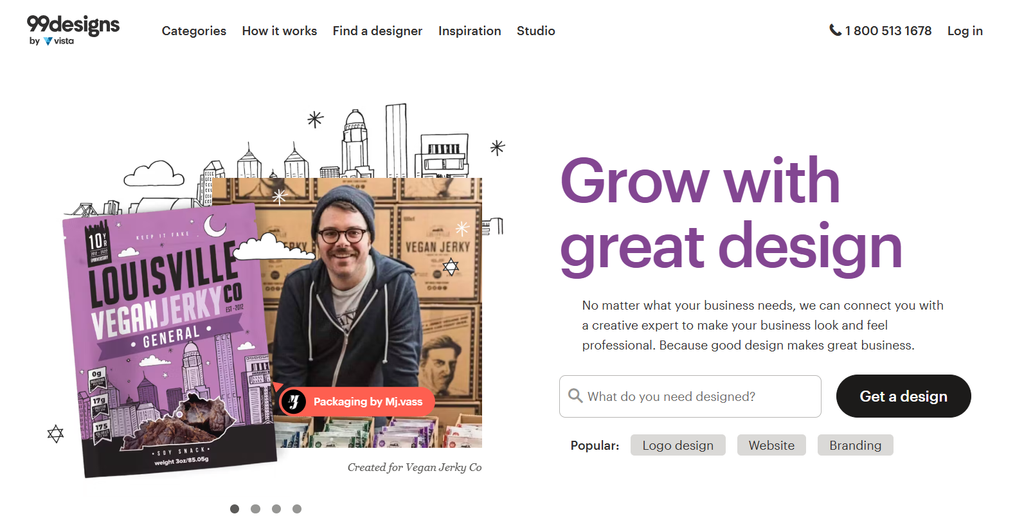
99Designs is an online graphic design freelance marketplace focused on providing creative and design services. It connects businesses with designers who create logos, branding, websites, packaging, illustrations, book covers, and other visual content.
One of its main features is design competitions, where clients submit their requirements and designers submit their ideas. Freelancers can work directly with designers on a single project, which helps build long-term relationships with clients.
✅Pros:
- Specially focuses on design and creative work
- Offers opportunities for logo and branding projects
- Gives designers the opportunity to work directly with clients
- Suitable for designers with strong portfolios
❌Cons:
- Design competitions can be extremely competitive.
- Platform fees can reduce your overall earnings
Who Should Use 99designs?
It is necessary to have a good understanding of graphic designers, logo designers, illustrators, and branding professionals. It can also be helpful for designers who enjoy creative projects and have a strong portfolio to showcase their skills.
8. FlexJobs
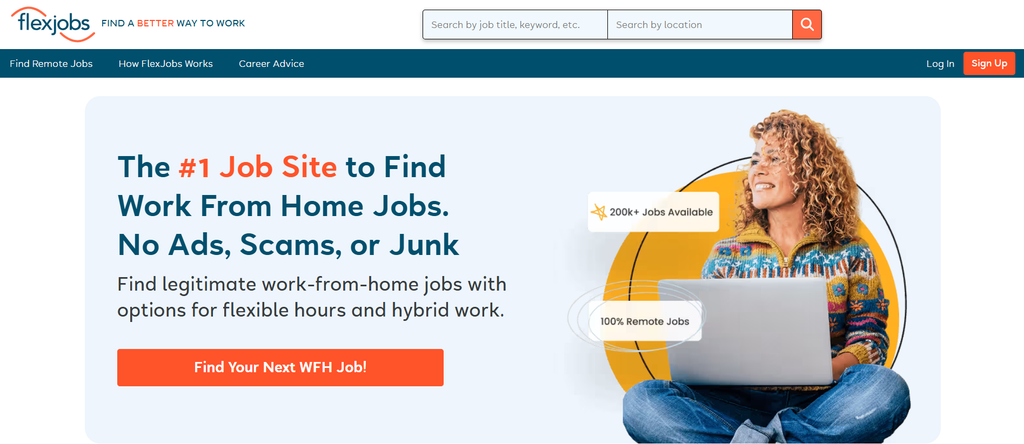
FlexJobs is an online job platform that focuses on remote, flexible, and freelance work. It is designed primarily as a job board, where companies post their job openings and employees apply for positions that match their skills.
In this marketplace you can find opportunities in areas such as writing, customer service, virtual assistance, marketing, design, education, project management, and technology.
One advantage of FlexJobs is that it focuses on flexible and remote work positions. This can be helpful if you want to find freelance and contract work opportunities that don’t require you to work entirely from home or rely on marketplaces.
✅Pros:
- Focus mainly on remote and flexible work opportunities
- There are opportunities for freelance and contract positions.
- Covers a wide range of professional industries
- Provides verified job listings
❌Cons:
- A paid subscription is required for full access.
- There are fewer opportunities for small and quick freelance work.
Who Should Use FlexJobs?
If you’re looking for remote, flexible, freelance, or contract work rather than just short-term freelance projects, FlexJobs can be a good option. This can be especially useful for professionals who want to work remotely more efficiently and are more comfortable applying instead of creating job listings.
9. Contra
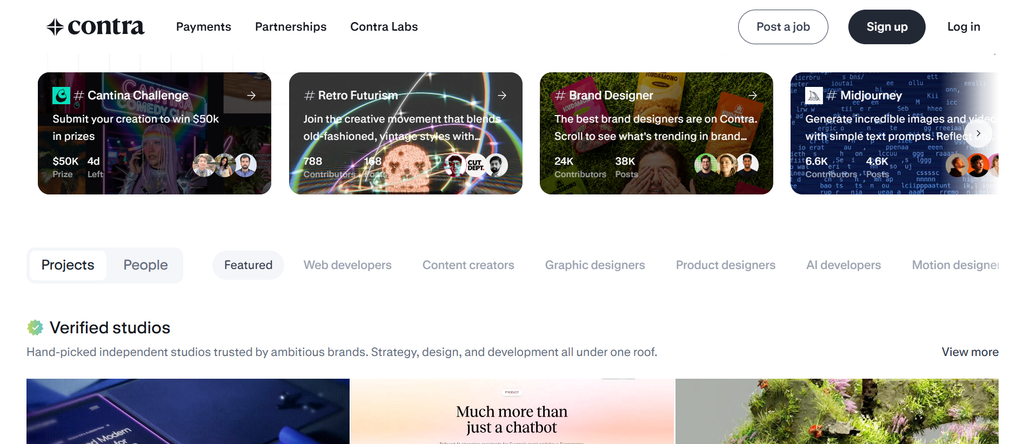
Contra is built for freelancers, creators, and digital professionals who want to showcase their skills and connect with clients. The platform offers a variety of services, including design, development, writing, marketing, photography, and social media.
This platform focuses more on portfolios and personal branding for individual job postings. Freelancers can showcase their experience, connect with clients, find projects, receive payments, and do other freelance work all in one place.
✅Pros:
- Helps freelancers showcase their portfolios
- No commission on earnings
- Professional-looking freelancer profiles
- Useful for creative and digital professionals
❌Cons:
- Smaller marketplace than major platforms
- Beginners without a portfolio may find it harder to stand out
Who Should Use Contra?
If you’re a designer, developer, writer, marketer, or any other digital professional looking to showcase your work and build direct relationships with clients, Contra could be a good option.
How Much Money Can You Make as a Freelancer?
One of the biggest questions beginners ask is, “How much money can I make freelancing?”
So, for each freelancing sector, there are different income methods from which you can earn. It mainly depends on your skills, experience, specialization, pricing, client needs and how much time you can devote.
First, ask yourself: “How much can I contribute with my skills, and how effectively can I find customers who need those skills?”
For example, if you complete four small projects worth $25 each, you can earn $100 per week. Then, if you are skilled, you can complete more orders worth $100 or more each and earn many dollars. These are general examples, not guaranteed income.
Some freelancing platforms charge fees based on your earnings, depending on the platform and type of work. Always check the current fee structure when setting your freelance rates.
Don’t focus on making a lot of money quickly, focus on building your skills, portfolio, client relationships, and positive reviews. As your experience and reputation grow, you may be able to increase your compensation and take on higher-value projects.
How to Turn Your Passion Into a Freelance Profession
Imagine earning some extra money doing something you love in your spare time. Over time, if you become more skilled at it and start getting regular clients, it could one day become your full-time job.
Here are eight specific steps to turn your hobby into a freelance career.
- Step 1: Choose One Marketable Skill: Choose a skill that you enjoy doing and turn it into a service that people are willing to pay you for. If you’re a beginner, you don’t need a lot of skills—one useful skill may be enough to get you started.
- Step 2: Improve Your Skills and Build a Portfolio: Improve your skills with practice, free resources, and sample projects. Create a simple portfolio that showcases your capabilities, even if you haven’t worked with clients yet.
- Step 3: Create a Professional Profile: Clearly present your skills and services, explain who you help, and highlight the benefits you provide. Set a realistic starting price based on your experience, project needs, and market rates.
- Step 4: Find the Right Projects: Don’t apply to every project you find. Focus on opportunities that fit your skills and experience, and tailor each proposal to the client’s specific needs.
- Step 5: Communicate Clearly With Clients: Discuss the project scope, timeline, fees, revisions, and requirements before starting work. Clear communication prevents misunderstandings and keeps the project on track.
- Step 6: Deliver Quality Work on Time: Check your work carefully and complete it within the given time frame. Quality work can help you get positive reviews, repeat work opportunities, and recommendations.
- Step 7: Build Long-Term Client Relationships: Don’t just focus on finding new customers. Consistently doing good work can encourage current customers to do business with you again and create a more reliable source of income.
- Step 8: Increase Your Rates as You Grow: increase your pay rate as your skills, portfolio, reviews, and experience grow. Over time, you can move from smaller projects to more valuable work.
Frequently Asked Questions About Freelancing
Can I start freelancing with no experience?
Yes, you can start freelancing without any advance experience. You simply need a skill you can develop and offer as a service
For example, if you used to write paragraphs and essays on general topics while in school, and now you want freelance work for posts or articles, a portfolio can show clients what you’re capable of before you get your first job.
Which freelance skills are in demand?
Your earning potential depends on your freelance skills. Not all skills and earnings are the same. But many businesses regularly hire freelancers for a variety of services, such as:
- Web development
- Software development
- Graphic design
- Content writing
- SEO
- Digital marketing
- Video editing
- Social media management
- Data analysis
Don’t try to learn all kinds of skills, choose a specific skill that you are really interested in and that you can make money from.
How do I get my first freelance client?
One of the hardest parts of starting a career is getting your first freelance client. If you create a strong profile and a simple portfolio that clearly highlights your skills, you can increase your chances of getting work by 60%.
When applying for a client’s job, write a unique proposal that explains the following:
- First you read and understand the client’s problem.
- Explain how you will do the job.
- Give a relevant example from one of your previous jobs or internships.
- Understand the terms and conditions of this project.
Don’t just focus on saying “Hire me.” Instead, show the client that you understand their problem and explain how your skills can help solve it.
Can freelancing become a full-time career?
Yes, you can build a full-time career through freelancing. But you need more than a strong technical skill.
Learn how to communicate with clients, manage projects, set prices, and find new work. Over time, repeat clients can help you build a steadier income.
Which Freelancing Platform Is Best for Beginners?
The right platform depends on your skills, goals, experience, and what kind of work you want to do.
Popular platforms include Fiverr, Upwork, Freelancer, and PeoplePerHour. Instead of joining all of them at once, start with one or two platforms that fit your services.
Learn the tricks of how each platform works, create a strong profile, build a portfolio, and focus on finding projects that match your skills.
Final Thoughts
Freelancing gives you the opportunity to turn any of your useful skills into a service that clients are willing to pay for.
You don’t need to be proficient in everything before you start.
Start with a skill, practice it, build a portfolio around it, choose a platform that fits your goals, and start finding suitable clients.
When choosing best freelancing platforms, don’t try to join all of them at once. Start with one or two platforms that match your skills and goals. For example, Fiverr and Upwork can be good places to start for beginners.
Take the time to understand how your chosen platforms work, build a strong profile, and focus on delivering quality work instead of applying for as many projects as possible.
Your first freelance project can be small, and that’s okay. Each project gives you the opportunity to hone your skills, strengthen your portfolio, gain client trust, and gain valuable experience.
With patience and consistent effort, freelancing can gradually become a sustainable source of income and has the potential to become a long-term profession in the future.