The 7+ Best Blogging Platform for Beginners in 2025 (Full Guide)

Starting a blog in 2025 is more exciting and more profitable than ever — but choosing the best blogging platform can be much more difficult for beginners. With dozens of options promising ease, flexibility, and growth, beginners often struggle to decide where to start.
Whether you’re growing an audience or turning your passion into profit, the platform you choose shapes your growth. Today, it’s not just about publishing — it’s about choosing the best blogging platform to build a lasting brand.
In this guide, we’ll break down the best blogging platforms so you can confidently pick the one that aligns with your goals and sets you up for long-term success.
1. WordPress
Best Overall Blogging Platform for 2025
Overview
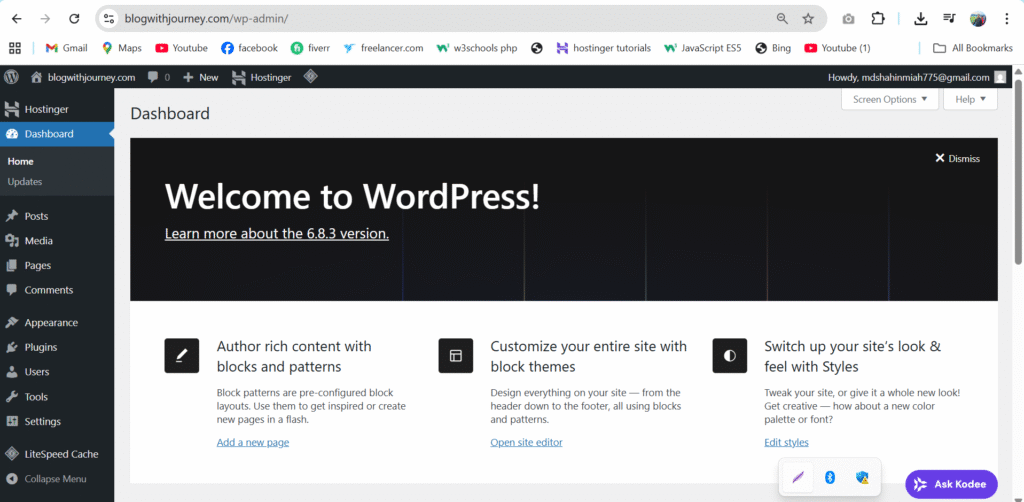
WordPress.org is the world’s most popular blogging platform — powering over 43% of the global internet.
It’s an open-source CMS that gives you total control over design, customization, SEO, and monetization. Whether you’re a beginner or a professional blogger, WordPress offers unmatched flexibility with thousands of themes, plugins, and integrations
If your goal is to build a professional blog, grow through SEO, and make money through affiliate marketing, ads, or digital products, then WordPress.org is the most powerful choice.
Key Features:
- Full Customization Control: Design, style, and enhance your website effortlessly with themes and plugins.
- SEO-Friendly Structure: Optimized code, speedy performance, and SEO plugins like Rank Math or Yoast boost your rankings.
- Massive Plugin Library: Over 60,000 plugins for design, analytics, email marketing, ecommerce, and automation.
- Professional Blogging Tools: Gutenberg blocks, repeatable content templates, categories, tags, commenting, post scheduling, and more features.
- Easy Monetization: Supports affiliate links, ads, memberships, online courses, digital downloads, and more.
- Scalable for Any Niche: Suitable for hobby blogs, business blogs, authority websites, and enterprise-level traffic.
- Ownership & Portability: You fully own your site, domain, and data—no platform lock-in.
✅Pros:
- Complete control over design and monetization
- Highly scalable for long-term growth
- Thousands of plugins for unlimited functionality
- Strong SEO performance
- Huge community support, tutorials, and resources
❌Cons:
- Requires basic setup and maintenance (backups, updates, security)
- Needs hosting—more responsibility than drag-and-drop platforms.
💸Pricing (Hosting Cost)
- WordPress software: Free
- Hosting: $2.99–$9.99/month (Hostinger 2.99/month start your blogging journey )
- Themes & plugins: Free or paid depending on choice (if you are beginner then you can start free theme and plugins)
Best For:
- Bloggers who want full control and long-term growth
- Affiliate marketers (best platform for SEO + conversions)
- Businesses building a brand
- Anyone planning to scale traffic and earnings
Overall
WordPress is the best blogging platform for 2025 due to its flexibility, ownership, SEO strength, and limitless customization. If you want a blog you can grow, monetize, and scale into a real business, WordPress is the top choice.
2. Wix
Best Drag-and-Drop Blogging Platform for Beginners
Overview
Wix is one of the easiest and most beginner-friendly website builders available. Its drag-and-drop editor, hundreds of stunning templates, and built-in SEO tools make..
It is incredibly simple to create a professional-looking blog—no coding or technical skills needed. Whether you want fast setup, full design freedom, or a visually impressive blog without the complexity of WordPress, Wix lets you launch and grow your site effortlessly.
Key Features:
- Drag-and-Drop Editor – Build and customize layouts visually with no coding.
- Hundreds of Blog Templates – Ready-made designs for lifestyle, tech, travel, fashion, and more.
- Built-in SEO Tools – Custom meta tags, URL editor, 301 redirects, and SEO checklist.
- Integrated Apps & Extensions – Add forms, chat widgets, email marketing, social feeds, and more.
- Wix ADI (AI Website Builder) – Generates a complete blog in minutes using AI.
- Built-In Analytics – Track traffic, top posts, and reader behavior without third-party tools..
✅Pros:
- Extremely easy for beginners—no technical setup needed.
- Beautiful, modern templates with full design flexibility.
- Strong SEO and marketing tools built in.
- Reliable hosting included with fast loading.
- Great for personal, niche, and visual-style blogs.
❌Cons:
- You can’t easily switch templates once the blog is live.
- Not as flexible or scalable as WordPress for advanced customization.
💸Pricing (Hosting Included)
- Free Plan – Basic features, Wix ads, limited storage.
- Light Plan – Starts around $17/month (remove ads + custom domain).
- Core Plan – Around $29/month (more storage + analytics).
- Business / Ecommerce Plans – From $36+/month (for selling products).:
Best For
- Beginners who want a simple, visual blogging platform.
- Creators who prefer design freedom without coding.
- Small businesses, lifestyle bloggers, and personal brands.
Overall
Wix is a top beginner-friendly blogging platform, offering beautiful templates, built-in SEO, and reliable hosting—all in one simple, hassle-free package.
3. Squarespace
Best for Visual, Creative, and Aesthetic Blogs
Overview
Squarespace is an all-in-one blogging platform known for its modern, visually stunning templates and seamless user experience. With premium design tools, built-in branding features, and zero technical setup required, it’s perfect for creators in photography, travel, fashion, or any niche where visuals matter most.
Key Features:
- Template Designs: Premium, award-winning templates with sleek layouts, clean typography, and modern design—perfect for strong branding and exceptional readability.
- All-in-One Platform: Hosting, security, templates, and features are included.
- Built-in Blogging Tools: Commenting system, Social media auto-share, Imaggalleries
- es Good SEO Tools: Not as advanced as WordPress, but better than Wix and Weebly.
- Drag-and-Drop Builder
Build pages visually with zero coding — perfect for beginners. - Integrated E-commerce
Sell products, services, or digital items directly from your blog. - Reliable Hosting & Security
Fast hosting, SSL certificates, and automatic updates included.
✅Pros:
- Extremely beginner-friendly — no technical setup required.
- Professional, high-quality templates for brands and creatives.
- All essential tools (SEO, email, design, hosting) in one place.
- Great support, with 24/7 help and a large knowledge base.
❌Cons:
- Less flexible than WordPress for advanced customizations.
- Limited plugin/extensions ecosystem.
- Can be more expensive than other platforms for long-term use.
💸Pricing (Hosting Included)
- Personal Plan: ~$16/month (annual billing)
- Business Plan: ~$23/month
- Commerce Plans: ~$27–$49/month
Best For
- Travel blogs
- Photography blogs
- Fashion websites
- Creative niches
Overall
Squarespace is a sleek, all-in-one platform ideal for creators who want a stylish, professional blog with zero technical hassle.
4. Blogger
Best Free Platform for Beginners
Overview
Blogger is a free, Google-owned blogging platform that is designed for beginners. It requires no hosting, installation, or technical setup — just create an account and start writing. With its simple interface and smooth integration with Google services, it’s a hassle-free way to launch a blog, especially for hobby writers or anyone testing the world of blogging without spending money.
Key Features:
- Free Hosting by Google – No external hosting required, your blog runs on Google’s trusted infrastructure.
- User-Friendly Drag-and-Drop Editor – Craft posts effortlessly, no technical skills needed.
- Integrated Google Support – Track, monetize, and optimize with Analytics, AdSense, and Search Console.
- Custom Domain Support – You can connect your own domain for a more professional look.
- Basic Themes & Customization – Offers editable templates, HTML access, and layout controls.
✅Pros:
- Completely free to use with no hidden costs.
- Very beginner-friendly — no setup or maintenance required.
- Strong security and reliability from Google’s infrastructure.
- Easy monetization with AdSense integration.
❌Cons
- Limited design flexibility compared to WordPress or modern builders.
- Updates and new features are rare since Google does not actively expand the platform.
- You don’t fully “own” the platform — Depend on Google.
Pricing ( Only Domain)
- Free: Hosting, SSL, templates, and storage are all provided at no cost.
- Paid Optional: Custom domain (~$10/year from domain registrars). Like (Blogwithjourney.com)
Best For:
- Students
- Hobby bloggers
- Beginners testing blogging
- Personal diaries
Overall
Blogger is great for starting free and fast, but for SEO, affiliate marketing, and long-term growth, you’ll eventually need WordPress.org.
5. Weebly
Simple Website Builder for Small Blogs
Overview
Weebly is a simple, beginner-friendly drag-and-drop builder perfect for small businesses and new bloggers. While it’s more straightforward than Wix or Squarespace, it still offers enough power to create professional websites. With built-in hosting and easy e-commerce tools, Weebly is a solid all-in-one solution for launching a blog or small online business without any coding.
Key Features of Weebly:
- Drag-and-Drop Builder – Easily design pages by dragging elements like text, images, and videos.
- Responsive Templates – Mobile-friendly themes that adjust automatically for smartphones and tablets.
- Built-in SEO Tools – Optimize your content with meta tags, descriptions, and URL customization.
- E-commerce Integration – Add online stores, manage products, and process payments seamlessly.
- Custom Domain & Hosting – Weebly includes hosting and lets you connect your custom domain easily.
✅Pros of Weebly
- Extremely easy to use for beginners.
- Affordable pricing with integrated hosting.
- Wide selection of templates for blogs and online stores.
- Strong e-commerce features for small businesses.(advanced)
- Reliable hosting and website security included.
❌Cons of Weebly
- Offers basic customization, unlike WordPress’s advanced options.
- Fewer advanced blogging features.
- Some apps in the App Center require additional payment.
💸Pricing (Hosting Included)
- Free Plan: Limited features with Weebly branding.
- Personal Plan: $6/month – Custom domain and basic features..
Best For
- Small blogs
- Business portfolios
- Beginners who don’t want complexity
Overall
Weebly is a beginner-friendly, all-in-one builder that’s great for small blogs and business sites. It’s easy to use but limited for advanced customization and SEO.
6. Medium
Best for Writers Who Don’t Want Technical Work
Overview
Medium is a blogging platform built for simplicity, clean design, and instant audience reach. With no need for hosting, design, or plugins, you can focus entirely on writing while Medium handles everything else.
Its powerful distribution system and large built-in reader community make it easy for new blogs and fresh content to gain traction quickly.
Key Features of Medium:
- Built-in Audience Reach – Your stories can be recommended to thousands through Medium’s algorithm and publications.
- Zero Maintenance – No hosting, speed optimization, or security tasks—Medium handles everything.
- Clean, Minimal Editor – A distraction-free writing environment that feels like writing in Google Docs.
- Publication System – Submit your posts to major publications to reach bigger audiences.
- Partner Program Monetization – Earn money when Medium members read your articles.
✅Pros:
- No setup or hosting required—ideal for beginners.
- Easy to grow on-platform thanks to built-in readership.
- Professional, clean design without extra effort.
- Monetization available from day one through the Partner Program.
❌Cons:
- No full ownership — Medium controls your audience and platform.
- Limited customization — No themes, plugins, or design freedom.
💸Pricing (Hosting)
- Free Plan: Publish unlimited stories.
- $5/month Membership: Access full reading experience + higher monetization potential.
- No hosting fees because Medium hosts everything for you.
Best For
- Writers
- Journalists
- Thought leaders
- Anyone who wants to write without managing a website
Overall
Medium makes it easy to get your writing seen fast, but it limits your control, branding, and monetization. It works best as a supportive platform, not your main blog.
7. Ghost
Best for Professional Bloggers & Online Publications
Overview
Ghost is a modern, open-source platform built for speed, clean design, and focused content publishing. Its efficient setup loads quickly and provides a smooth writing experience that works well for busy writers.
Beyond simplicity, Ghost offers powerful built-in tools for SEO, memberships, and subscription-based content. It’s ideal for creators and businesses who want a distraction-free platform with everything needed to build, grow, and monetize a content-driven website.
Key Features of Ghost
- Markdown Editor & Simple Interface – Write and format content quickly using a distraction-free editor.
- Membership & Subscription Support – Easily monetize your blog with memberships, paid newsletters, and subscriptions.
- SEO & Social Media Optimization – Built-in SEO settings, metadata, and social sharing tools.
- Fast & Lightweight – Minimal code ensures lightning-fast load times and smooth user experience.
- Custom Themes & Integrations – Fully customizable design and integrations with Zapier, Stripe, and other tools.
✅Pros of Ghost
- Writer-focused with a clean, easy-to-use interface.
- Earn directly with built-in subscriptions, memberships, and paid newsletters.
- Rapid and stable with a lightweight platform for smooth operation.
- Flexible and developer-friendly enabling full customization and self hosting.
❌Cons of Ghost
- Limited extension support relative to WordPress..
- Requires technical setup or managed hosting to self host.
💸Pricing
- Self-hosted: $5–$10/month
- Ghost Pro hosting: $25–$199/month
Best For
- Professional bloggers
- Newsletters
- Tech blogs
- Subscription-based blogs
Overall
Ghost is fast, simple, and great for content creators who want built-in SEO and memberships. Not ideal for beginners, but strong for branding and subscriptions.
Which Blogging Platform Should You Choose in 2025?
Now there is the main advice to you which platform to choose and write blog posts and earn money. This is overall advice for you.
WordPress–If you want to make money (affiliate marketing, google ads, product review, etc.)
Wix–If you want the easiest builder.
Squarespace–If design and visuals matter
Blogger–If you want a free blog
Medium–If you want to write only
Ghost–If you want a professional content business