
Affiliate Marketing for Beginners 2026: The Ultimate Guide to Making Money Online


Affiliate marketing is a method of generating passive income online through knowledge and recommendations. It is a way of earning money that does not require you to handle tasks such as product manufacturing, inventory management, or shipping.
This is not a get-rich-quick scheme. Building a profitable affiliate website or social media platform involves selecting the right niche, publishing genuinely helpful content, attracting a target audience, and continuously refining your strategy.
In 2026, affiliate marketing industry has evolved into a multi-billion dollar globally , powering e-commerce, SaaS, and influencer marketing. Earnings from even a single blog can exceed $1 million.
In this article, you will learn everything from the fundamentals of affiliate marketing to building a successful affiliate business.
Additionally, you will gain detailed insights into selecting a specific topic or ‘niche,’ creating a website, and understanding affiliate programs, traffic, and conversions.
1. What is Affiliate Marketing?
Affiliate marketing is a performance-based strategy in which a commission is earned by promoting a specific company’s products or services in accordance with established terms and conditions.
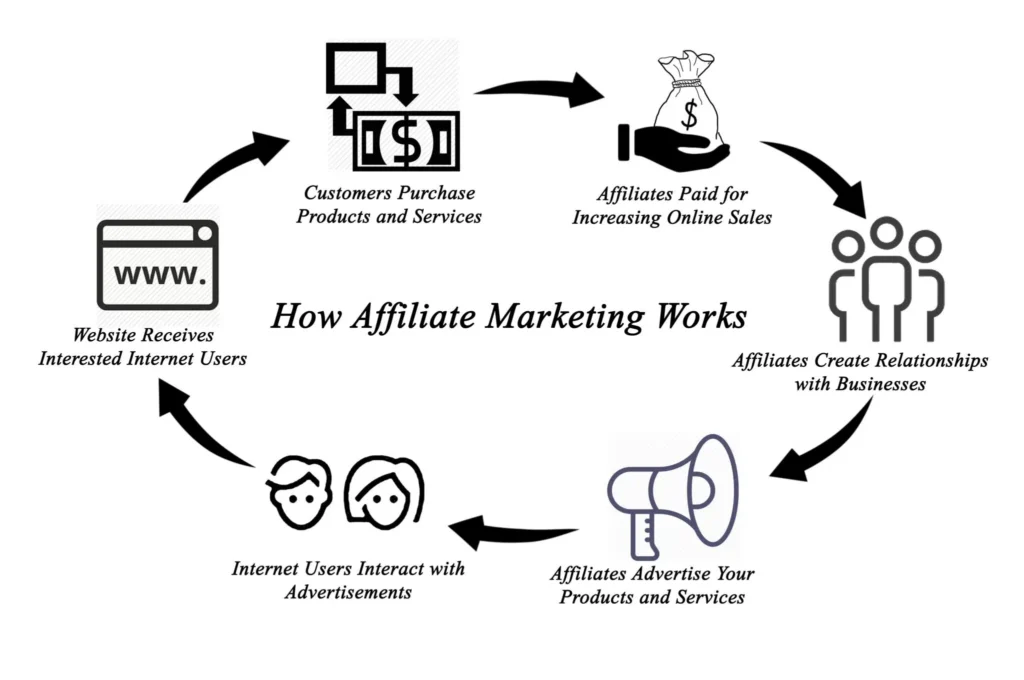
The process is simple:
- You recommend a trusted product
- Someone clicks your affiliate link
- Some one click and purchase the product
- You earn a commission.
For example, suppose you write a blog post about “Best Web Hosting services.” In it, you recommend a few hosting companies and include affiliate links. If a reader clicks on one of your links and purchases a hosting plan, the company will pay you a commission.
You won’t have to deal with any hassles related to products, payments, or shipping. Your primary focus will be on content, the audience, and recommendations.
2. Why Start Affiliate Marketing in 2026?
Affiliate marketing is an attractive and low-risk online business model, as it allows you to earn income by recommending other people’s products and services without having to create any products yourself.
The Main Advantages
- Low starting costs: You can get started with just a website (domain, hosting, and initial content) and a few simple tools.
- No need to create products: You can promote excellent products from various companies (such as Amazon, Hostinger, Semrush, etc.).
- No stock to maintain: Typically, sellers handle inventory, delivery, and order fulfillment, so you do not have to do any of that.
- Flexible schedule: You decide what to do on your website and how much time to spend on it.
- Recurring income opportunities: Some companies, such as SEMrush and AI tool providers, offer recurring affiliate commission services.
- Long-term content value: This is an evergreen article that consistently attracts organic visitors over time.
Compared to other businesses, this is much easier; high-quality content, consistent SEO efforts, targeted visitors, trust, and patience will take you a long way.
3. How to Start Affiliate Marketing Step by Step
Let us now explore the complete process of starting your affiliate marketing website and earning income from it.
Step 1: Choose the Right Affiliate Niche
The first major decision in affiliate marketing is choosing your ‘niche‘ or specialized field. A ‘niche‘ is the specific subject or topic around which your website is built.
Creating a website will help you regularly produce relevant content and recommend suitable products.
Examples of Affiliate Niches
- Web hosting
- Technology
- WordPress
- SEO
- Digital marketing
- AI tools
- SaaS software
- Online education
- Personal finance
- Fitness
- Travel
- Home and lifestyle
There are certain products that, despite offering high commission rates, are not very profitable.
For example, a program might offer a substantial commission, but if very few people show interest in the product or lack trust in the brand, it becomes difficult to drive sales.
Step 2: Setting Up Your First Affiliate Blog With Hostinger
After choosing your ‘niche’, the next step is to create your affiliate website. Creating a website usually requires two important things: a domain name and web hosting.
A domain name is your website’s address on the internet. It is what people type into their browser to visit your website. For example: facebook.com, youtube.com, blogwithjourney.com;
Web hosting is your blog’s online home—it stores all your files, images, and content and makes them accessible to visitors 24/7. Without hosting, your blog simply won’t appear on the internet.
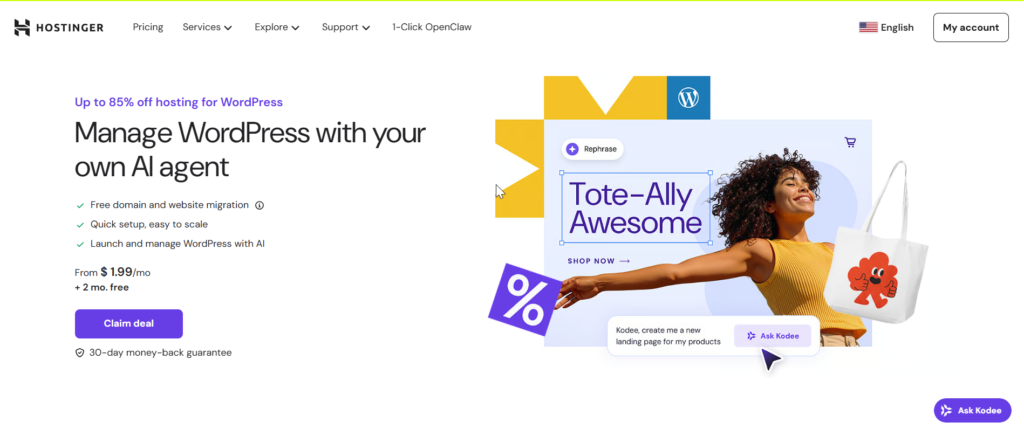
For beginners, Hostinger is one of the most popular and user-friendly web hosting services. It is trusted by millions of users for its speed, security, and affordability.
It costs as little as $1.99 per month to start your blog and begin your journey, with a free domain for the first year.
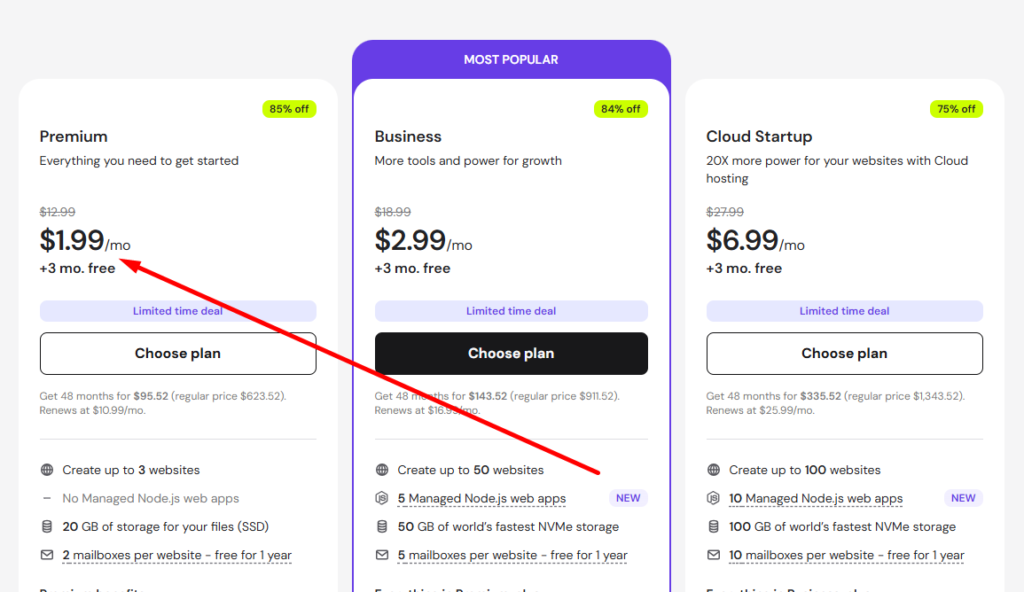
Create a complete WordPress website via Hostinger: How to create a WordPress website step by step.
If you want to create a complete blog site, click here to create an affiliate blog. here describe step by step how to start a blog via hostinger.
After creating your WordPress website with Hostinger and successfully accessing your WordPress dashboard, the next step is to choose a suitable theme.
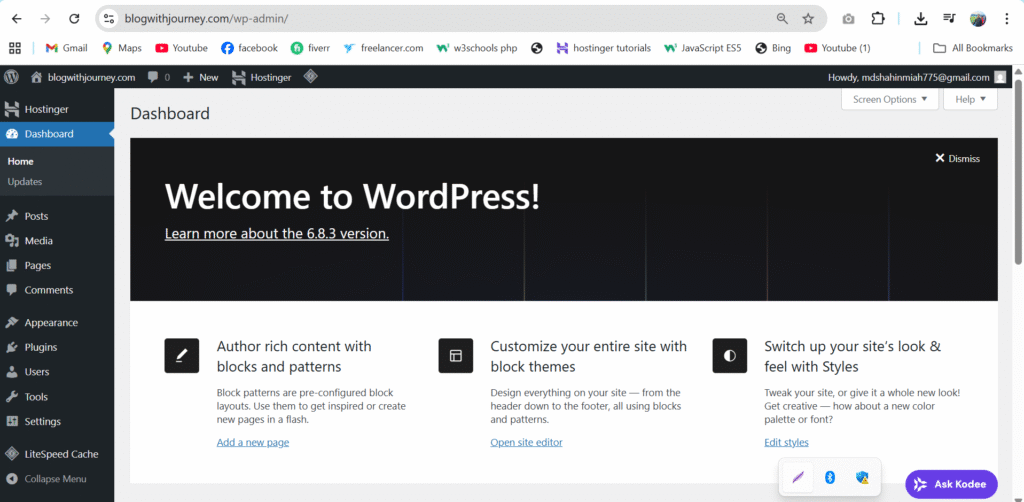
Choose a fast, lightweight, and responsive WordPress theme such as Astra, Kadence, or GeneratePress. Your theme controls the overall design, appearance, and layout of your website.
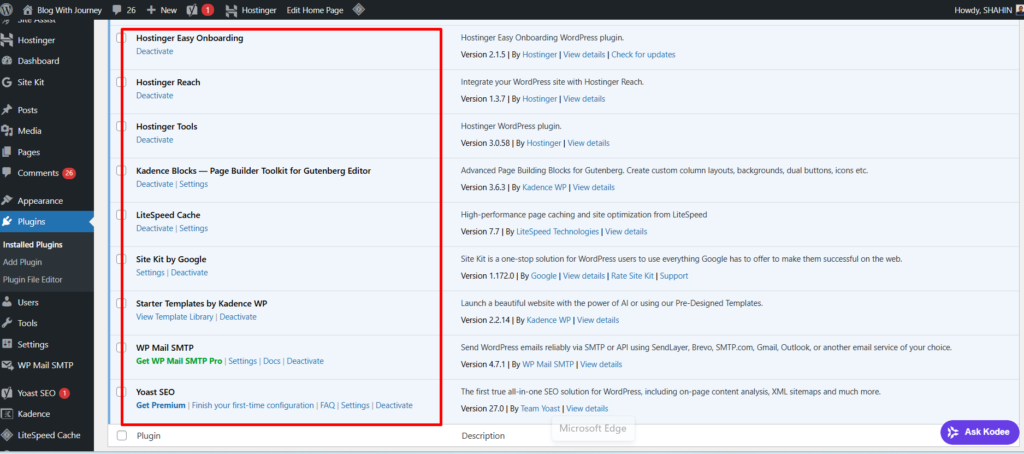
Next, install only the essential plugins you need for SEO, security, backups, contact forms, performance, image optimization, affiliate link management, and analytics.
Step 3: Keyword Research for Affiliate Marketing blog
After creating your website, the next step is to understand keyword research. This means knowing exactly what your target audience types into Google when searching.
A keyword is a word or phrase that people type into search engines. For example: “Best WordPress Themes for Affiliate Marketing“.
This is a commercial keyword, because a searcher might compare various options before making a purchase.
Understand User Search Intent
A user’s ‘search intent‘ refers to the purpose behind their search. Understanding this allows you to create content that aligns with what users are looking for.
The main 4 types are:
- Informational: “How to Choose the Right Affiliate Niche”
- Transactional: “ Best WordPress Hosting for Beginners”
- Commercial: “Buy web hosting”
- Navigational: “Hostinger login”
For affiliate marketing, ‘commercial’ and ‘transactional’ keywords are extremely important because users are often already interested in purchasing a product or service.
Target Long-Tail Keywords
Long-tail keywords are essentially relatively long and specific search phrases. Although they have lower search volumes, they help you reach a specific audience.
For example:
- Broad: “SEO tools”
- Long-tail: “best affordable SEO tools for small business beginners”
Use keyword research tools like Google Search, Semrush, Google Keyword Planner, Google Trends, Ahrefs, Ubersuggest, or Keyword Surfer to discover keywords and evaluate their quality.
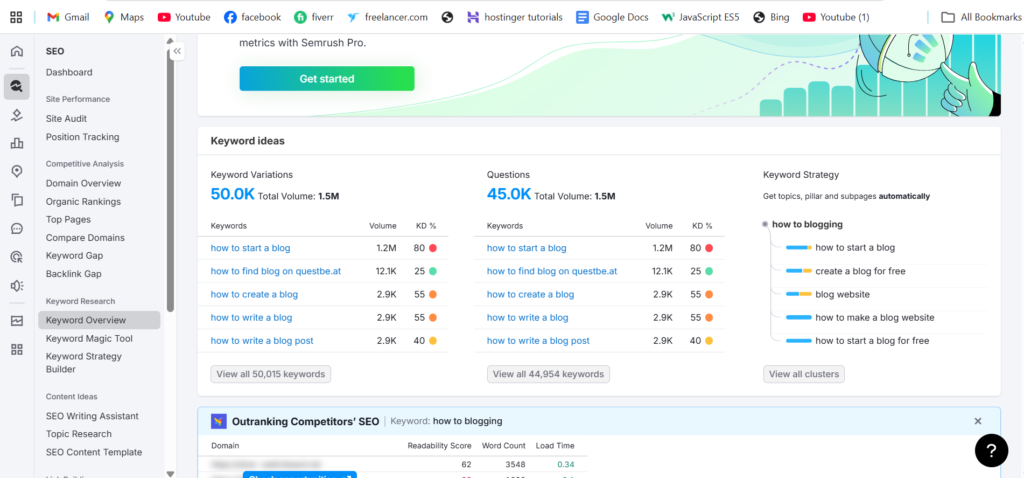
You do not need to use all of them at once; instead, start with one or two and learn to use them effectively.
The best keyword is not necessarily the one with the highest search volume; rather, it is the one that aligns best with your target audience and business objectives.
Step 4: Create Helpful Affiliate Content
Once your website and keywords are ready, it is time to publish useful and relevant content. Content is the lifeblood of an affiliate website; therefore, do not focus solely on filling it with affiliate links.
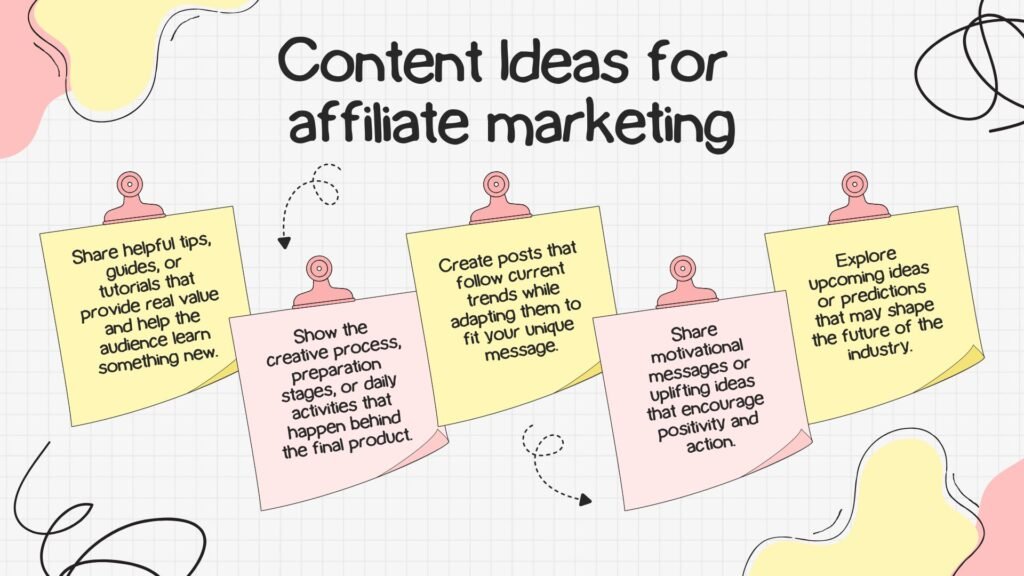
You need to create articles that answer various questions from readers and help them choose the right products. Some common affiliate content types include:
- Reviews — “Semrush Review: Features, Pricing, Pros & Cons”
- Comparisons — “Yoast vs Rank Math”
- Best-Product Lists — “Best AI Content Writing Tools“
- Alternatives — “9 Best Canva Alternatives”
- Tutorials — “How to Install WordPress on Hostinger”
- Buying Guides — “How to Choose the Best Web Hosting”
Include information that is not typically easily found on product pages. To do this, use your own research, experiments, screenshots, comparative analyses, pros and cons, pricing details, and real-life examples.
Strive to keep your article clear and well-organized at all times so that you can help readers make informed decisions by providing the necessary information before promoting the product.
Step 5: Choose Affiliate Programs With Long-Term Potential

You can now select the right affiliate programs that align with your earning potential. Instead of choosing multiple products, focus on products from reliable companies that truly meet your audience’s needs.
Many brands run their own affiliate programs. You can apply directly through their official websites and start working.
High commissions can be attractive, but they are just one part of a good affiliate program. Consider the overall benefits, including:
- Commission structure
- Cookie duration
- Recurring commissions
- Payment methods
- Product quality
- Brand reputation
- Refund policy
- Affiliate support
Protect Your Reputation
Your readers’ trust in your brand largely depends on the type of products you recommend. Promoting low-quality products solely for the sake of higher commissions can easily erode that trust.
Choose products that you believe will genuinely benefit your audience. Building trust takes time, but it can yield excellent long-term results.
Step 6: Use Affiliate Links Correctly

When you join an affiliate program, you’ll get unique links for the products or services you promote. These links track your referrals and commissions.
Place affiliate links naturally in relevant areas of your content, such as:
- Relevant paragraphs
- Product comparison tables
- Review sections
- Call-to-action buttons
- “Check Price” buttons
- Recommended product sections
Avoid using too many affiliate links. Excessive links can make your content look promotional and distract readers.
Use links only when they are relevant and helpful. Also, clearly disclose that you may earn a commission when readers purchase through your links.
A clear disclosure keeps your affiliate marketing transparent and helps build reader trust.
Step 7: Drive Targeted Traffic to Your Affiliate Content

After publishing quality content, you need to attract the right audience—people who are genuinely interested in the products, services, and topics you discuss. Instead of merely trying to increase the number of visitors, focus on targeted traffic.
Use SEO to attract targeted organic traffic by focusing on search intent, relevant keywords, helpful content, technical SEO, internal links, page speed, and mobile usability. On social media, share useful insights and guide interested users to your website instead of constantly promoting affiliate links.
Create useful tutorials, product reviews, comparisons, and educational videos on YouTube related to your niche, then direct interested viewers to relevant content on your website.
Start building an email list to retain your audience. Always adhere to regulations regarding email marketing and privacy while sharing valuable content and relevant advice.
Step 8: Track Your Affiliate Marketing Performance

Improving affiliate marketing becomes easier when you have reliable data. Instead of relying on guesswork, use performance data to understand what’s working and identify areas for improvement.
Start by tracking key metrics to show how your website and affiliate content are performing:
- Website traffic
- Affiliate clicks
- Click-through rate
- Conversions
- Conversion rate
- Affiliate revenue
- Earnings per click
Use Google Search Console and Analytics
Google Search Console helps you understand which keywords and pages are generating search impressions and clicks. It provides information about your website’s search performance.
Analytics tools can give you deeper insights into visitor behavior, including where your visitors come from, what pages they visit, and how they interact with your content.
The goal is not just to collect data, but to use it over time to improve your content and affiliate marketing strategy.
Step 9: Increase Your Affiliate Sales

Once you start getting traffic and affiliate clicks to your website, focus on improving your conversions. Optimizing your current traffic can help you generate additional affiliate income.
- Improve Your Calls to Action: Instead of using clichés like “Click here,” use clear and relevant CTAs. For example, “See Hostinger’s latest plans.” Your CTA should match the reader’s intent and fit naturally into the content.
- Improve Comparison Tables and Reviews: Create simple comparison tables that help readers quickly evaluate products based on price, features, benefits, and best uses. Include basic insights review about the product’s functionality, strengths, limitations, and who it’s best suited for.
- Update Old Content: Regularly update older articles to keep product information, pricing, features, links, and recommendations accurate.
- Test and Optimize: Experiment with different CTA wording, button placement, product boxes, tables, and affiliate link placement. Track the results and maintain the changes that increase conversions.
Final Thoughts:
Affiliate marketing isn’t about placing as many affiliate links as possible and hoping someone buys.
A sustainable affiliate business starts with helping the right audience solve the right problems.
Choose a specific niche, build a credible website, research the topics carefully, create truly helpful content, join relevant affiliate programs, use affiliate links responsibly, and generate targeted traffic.
Then measure your results and continually improve. You may not see significant results right away, but consistency and strategic improvements can add up over time. The goal should be to build an authority website that people trust; not just build an affiliate website to earn commissions.
Start small, publish useful content, learn from your data, and improve step by step.





4 Comments