How to Start a Sports Blog: Complete Beginner’s Blueprint


When you learn how to start a sports blog, you unlock a powerful way to build an online presence around your passion. You can share your expertise, opinions, and updates with sports lovers everywhere.
The best part? You don’t need to be a tech expert or spend a lot to begin. With the right tools and strategy, your blog can grow into a long-term success.
Why Starting a Sports Blog in 2026
The sports industry is growing at an incredible pace, with millions of fans actively searching for match insights, breaking news, predictions, and expert analysis every day. This trend makes sports blogging an excellent opportunity for beginners and digital entrepreneurs.
Here’s why starting a sports blog is a smart move:
- High search demand with evergreen content potential
- Multiple income streams (affiliate marketing, ads, sponsorships)
- Ability to reach a global audience
- No advanced skills required to get started
In this complete beginner’s blueprint, you’ll learn how to start a sports blog, from selecting the right niche and setting up your site to producing content, growing traffic, and generating income.
Step 1: Choose Your Sports Niche

Choosing the right sports niche is the foundation of a successful blog. Focusing on a specific sports niche, rather than covering everything, makes it easier to attract the right audience and build steady growth.
When your niche is well-defined, it becomes easier to rank in search results and gain your readers’ trust.
Popular Sports Blog Niches
- Football (Soccer)
- Cricket
- Basketball
- Tennis
- Badminton
- Fitness & Training
- Sports News & Updates
- Fantasy Sports
👉 Example: SportZonePro.com, GoalInsights.com, Athleticinsight.com
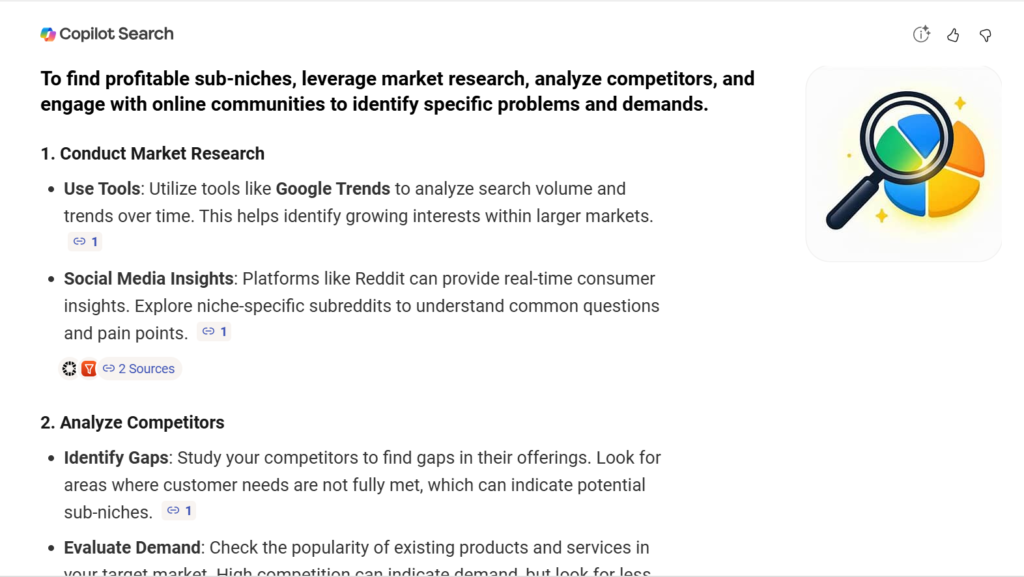
How to Find a Profitable Sub-Niche
Many beginners try to cover everything, which weakens their blog’s direction. A broad niche makes it harder to compete and rank effectively.
Instead, narrow your focus to a specific sub-niche. This helps you target a specific audience and become an authority faster.
Examples of Profitable Sub-Niches:
- Premier League match analysis (including football leagues and cricket leagues)
- Cricket gear reviews
- Home workouts for athletes
- Basketball training tips
- Fantasy football strategies
- Match highlights and post-game analysis
- Injury prevention and recovery for athletes
Step 2: Choose a Fast & Reliable Web Hosting
A strong sports blog starts with the right web hosting. It impacts how fast your site loads, how secure it is, and how well it ranks on Google.
Your blog depends on hosting to stay online and accessible. Poor hosting can lead to slow speeds and a frustrating experience for visitors.
What Is Web Hosting?
Web hosting stores your website files and images, making your site accessible to visitors online. For affiliate marketing websites, it’s essential to choose hosting that is fast, secure, and reliable.
Hostinger is one of the most popular and beginner-friendly web hosting providers, making it ideal for bloggers, affiliate marketers, and small business owners. It offers fast and reliable hosting for just $1.99/month and includes a free 1-year domain. Set up your site first, then choose the theme that fits your goals.
Go to Hostinger and select a hosting plan that fits your needs.
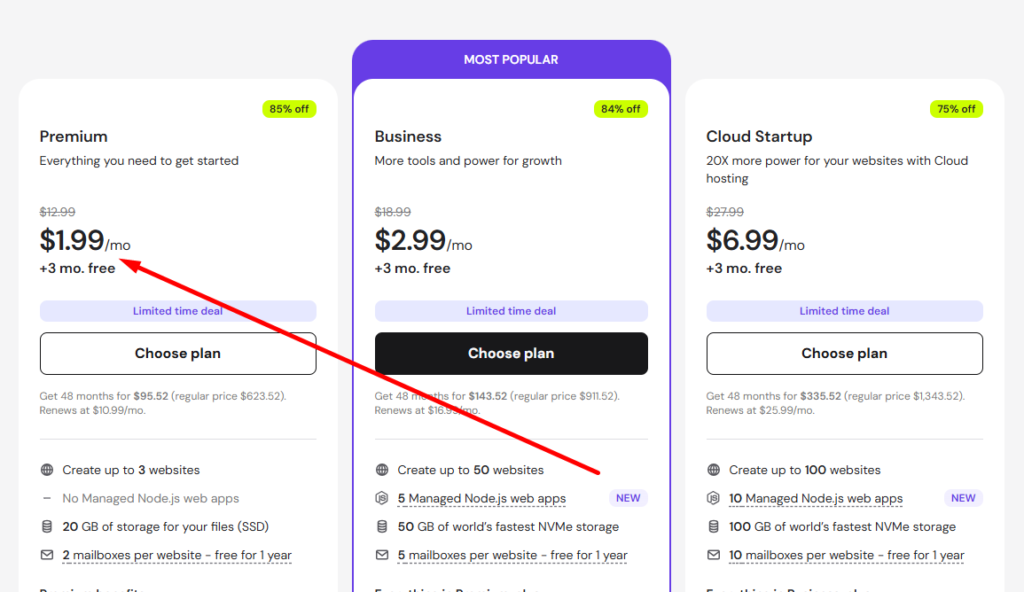
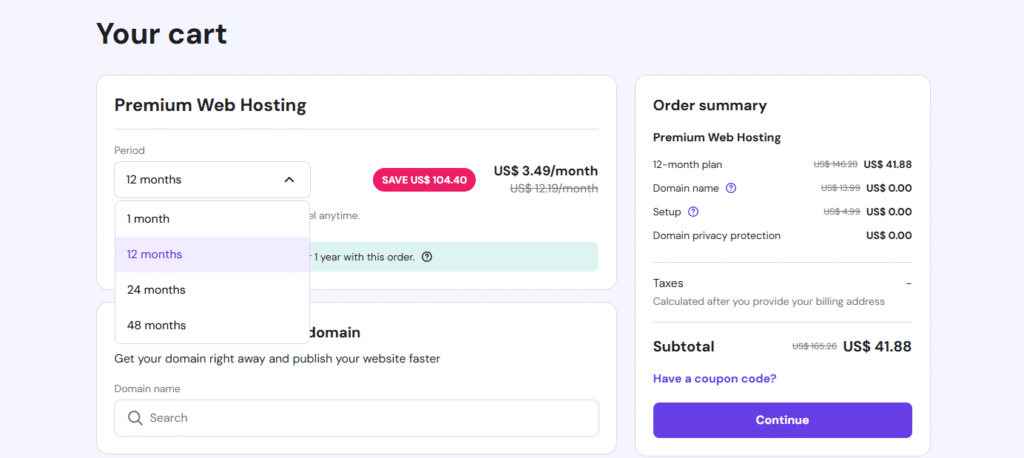
Now you have to this page. here the chose 12 months plan and select your unique domain or brand name. Now don’t idea about your domain name than no select stay blank and click continue.
Filup this page your identity and continue . Now you select payment option.
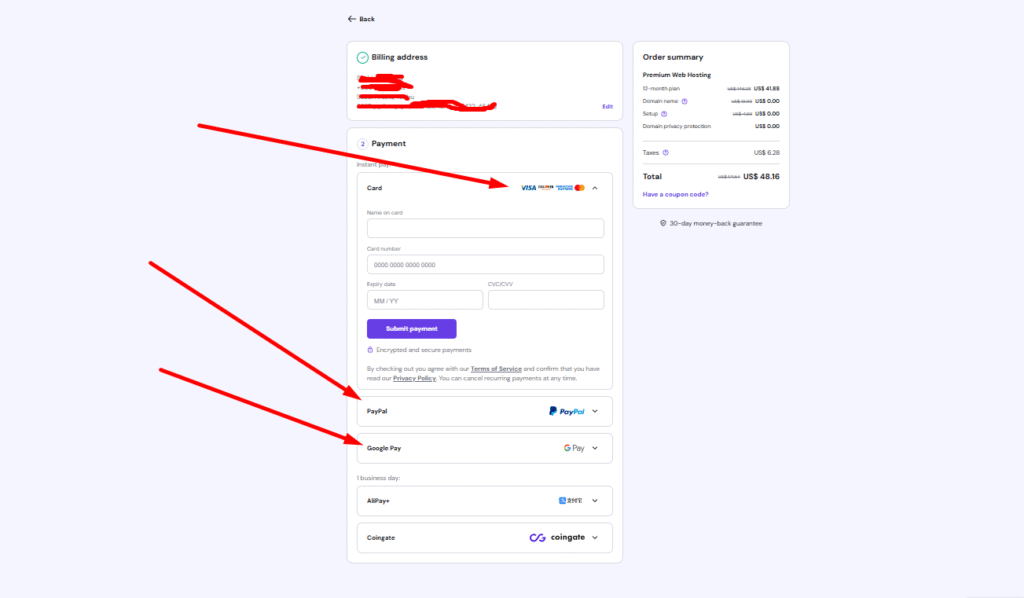
You can select any payment option and complete your payment securely. After successfully completing the payment, you will receive your purchase invoice and confirmation voucher in your Gmail inbox.
Step 3: Install WordPress via Hostinger (1-Click Method)
After purchasing your hosting from Hostinger, you can easily install WordPress on your website using the 1-click process. Simply follow the on-screen instructions to complete the installation quickly and smoothly.
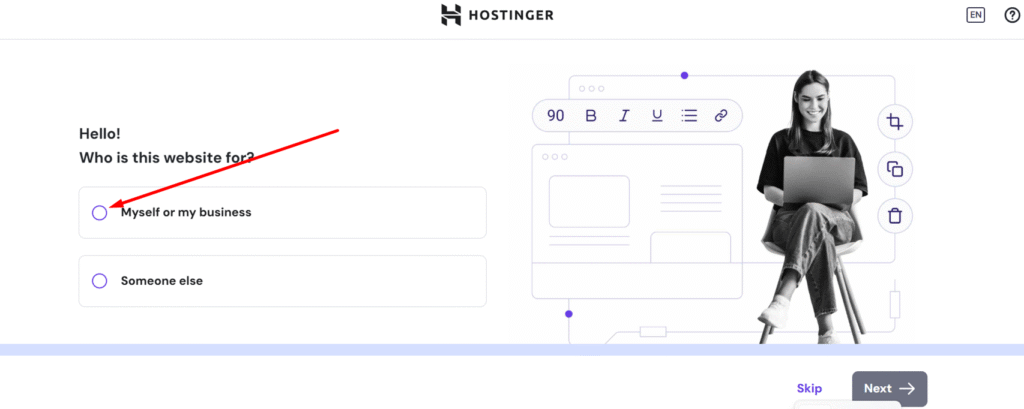
You will be redirected to this page. Now, select “Myself” or “My Business” based on your needs, then click Next to continue.
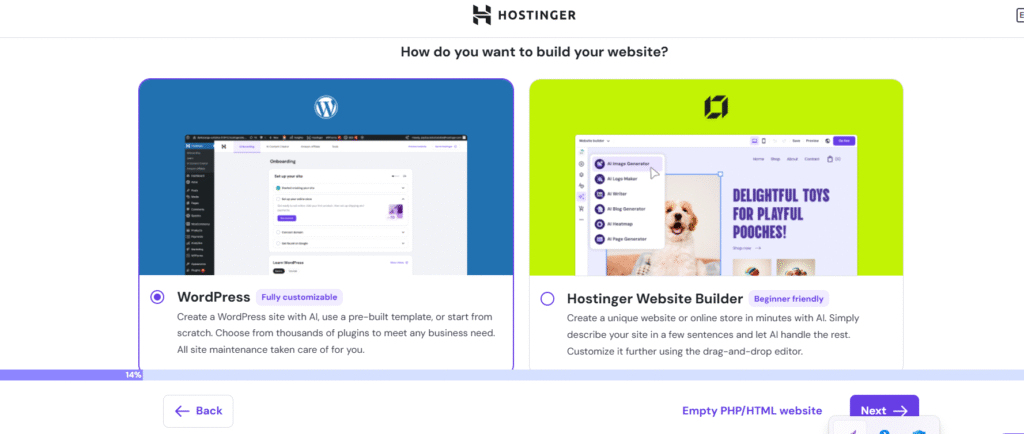
Choose WordPress and to next.
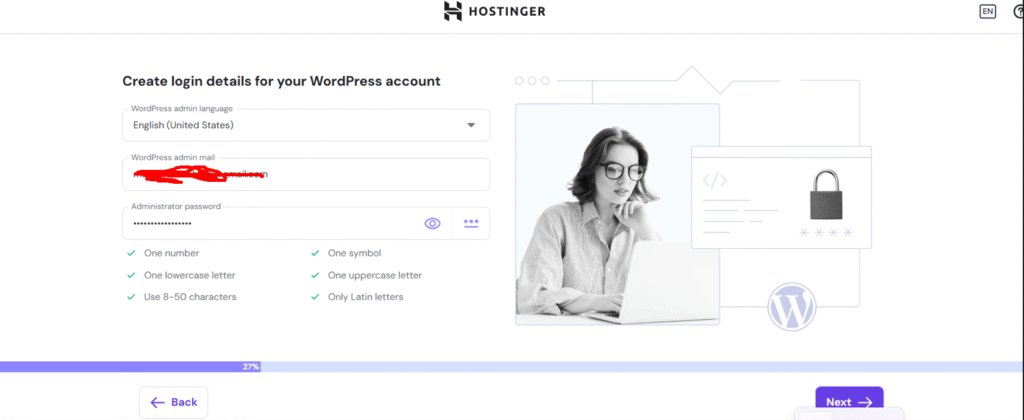
create login page. you have make Strong Password(8 Character) for your wordpress website and select next.
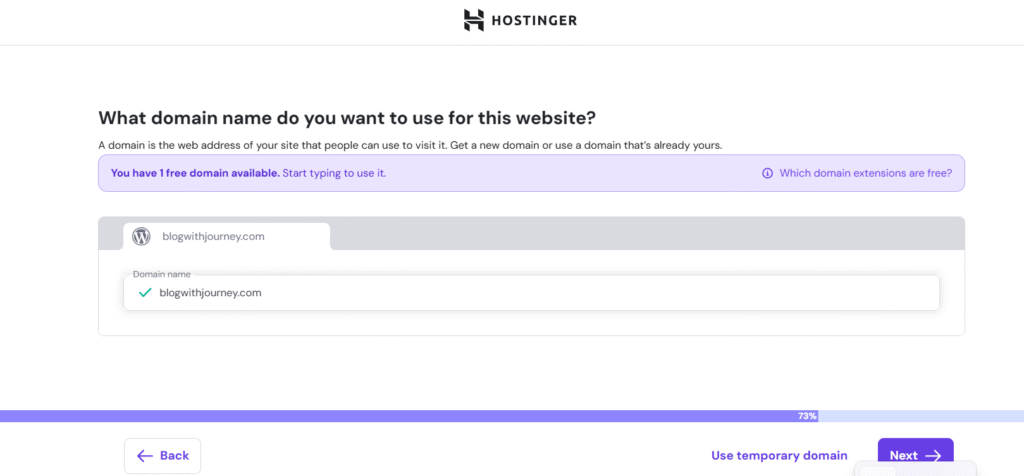
If you haven’t chosen a domain yet, select one now. With a 12-month or longer plan, you’ll get a free domain for 1 year. Then click Next to continue.
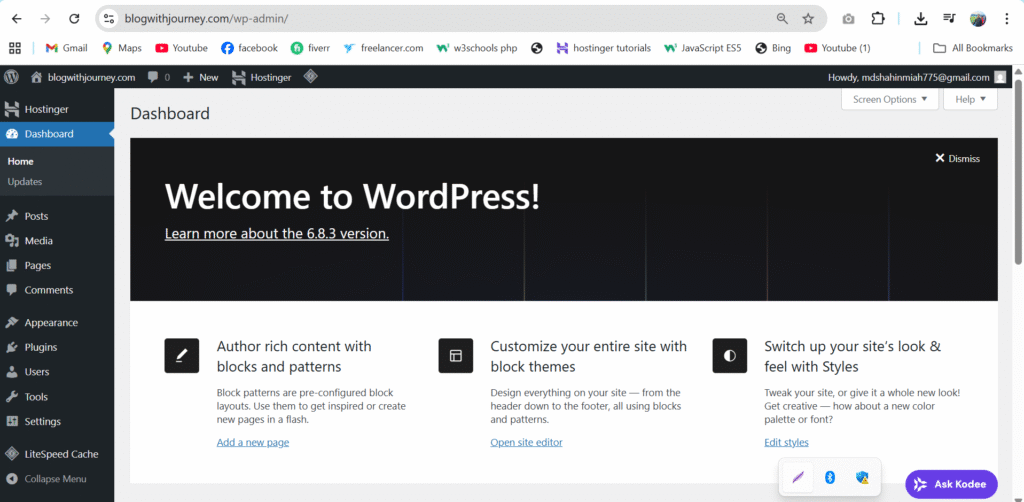
Congratulations. finally you got your wordpress website dashboard. Now i will tell you next process for your sports blogging journey.
Step 4: Install a Professional Blog Theme
After installing WordPress, the next important step is choosing and installing a theme. A WordPress theme controls your website’s design, layout, colors, fonts, and overall appearance. In simple words, your theme decides how your website looks to visitors.
Choosing the right theme is especially important for affiliate marketing websites because a clean, fast, and professional design builds trust and improves conversions.
Before installing a theme, make sure it is:
- Speed improves SEO and user experience
- Works perfectly on phones and tablets
- Clean code structure
- Simple design controls
- Ensures security and compatibility
Installing a theme in WordPress only takes a few minutes. Follow these steps: Go to Appearance → Themes
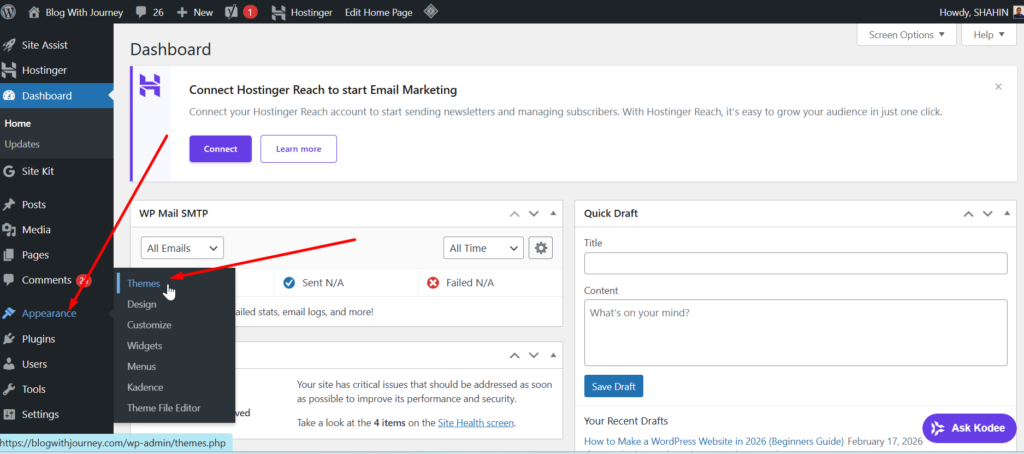
- Click Add New at the top
- Search for your preferred theme
- Click Install
- Click Activate to apply it to your website
For an affiliate marketing site, choose a fast and lightweight best WordPress theme like Astra or Kadence—both are SEO-friendly, mobile-responsive, and built for speed and conversions.
Step 5: Install Essential Plugins
After installing your blog theme, the next step is to add essential plugins to improve your sports site performance, security, and SEO. Plugins extend your website’s functionality and help you build a professional sports blog website.
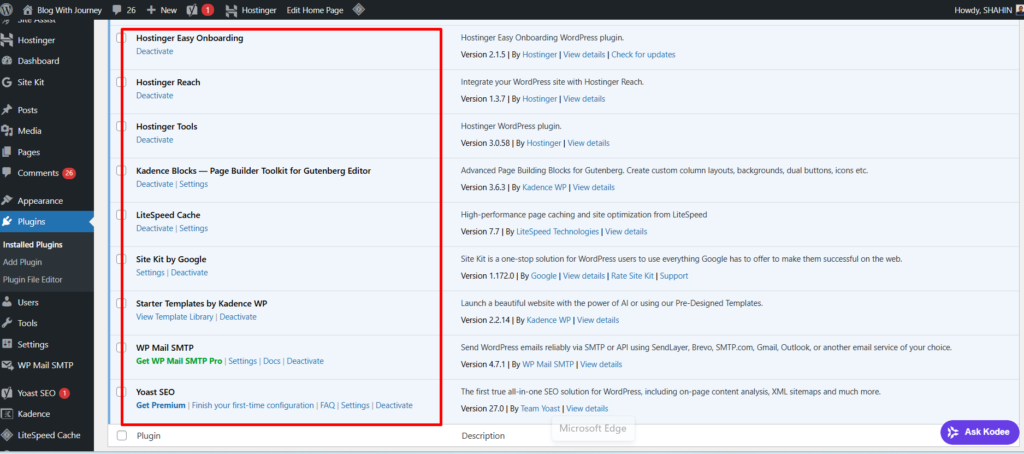
Here are the must-have plugins:
- SEO Plugin: Install Yoast SEO or Rank Math to easily optimize your content, improve SEO, and help your website rank higher on Google.
- Caching & Speed Plugin: Use LiteSpeed Cache or WP Rocket to improve speed and performance. With Hostinger, LiteSpeed Cache is free.
- Page Builder (Optional): If you choose Astra, Elementor works perfectly with it. If you select Kadence, you can use the free Kadence Blocks page builder. Both themes and plugins offer free versions to get started.
These essential plugins will make your sports blog website faster, safer, SEO-friendly, and ready to generate commissions.
Go to Plugins → Add New, search for the plugin you want, then click Install and Activate to start using it on your website.
Step 6: Create High-Quality Sports Content

Your blog cannot succeed without valuable, high-quality content. It is essential for attracting visitors, building trust, and earning online.
If you want to succeed, focus on creating content that solves real problems. Your content should answer questions and provide genuine value to your audience.
Types of Sports Content That Perform Well:
- Match Analysis: Focus on analyzing match performance, tactics, and key events. It attracts fans who want more than just basic updates.
- Player Statistics & Performance: Break down player performance with stats and comparisons to create informative content.
- Sports News & Updates: Share timely updates, transfer rumors, injury reports, and breaking news to drive regular visitors.
- “Top 10” & List-Based Articles: Example like: “Top 10 Football Players in 2026” — perfect for audience engagement and search rankings.
- Product Reviews & Comparisons: Compare popular sports products and share expert opinions. This content attracts buyers and supports affiliate marketing success.
Content Ideas for Beginners
If you’re just starting, here are some proven content ideas:
- “Best football boots in 2026”
- “Today’s match prediction and analysis”
- “How to improve stamina for sports”
- “Top fitness tips for athletes”
- “Best budget cricket bats for beginners”
These topics have high search demand and are perfect for attracting organic traffic.
Publish 2–3 quality posts weekly, stay consistent in your niche, update old content, and mix evergreen with trending topics.
Step 7: Optimize Your Blog for SEO

Search engine optimization (SEO) helps your sports blog appear on Google when people search for the topics you write about. Without proper SEO, even good content often goes unnoticed and fails to reach your target audience.
If you can properly SEO optimize your blog, you can achieve free, consistent, and long-term organic traffic without relying on paid advertising.
Keyword Research
Keyword research is a key part of SEO. It helps you identify search terms and create content that matches user intent.
Start your research using tools like Ahrefs, target low-competition keywords, focus on long-tail phrases, and analyze user intent.
Long-tail keywords are perfect for new bloggers since they are less competitive and attract the right audience. This makes it easier to rank and grow your blog efficiently.
On-Page SEO Tips
On-page SEO improves how search engines interpret your content. Proper optimization can help you rank higher and reach more people.
- Use your main keyword in the title, headings, and first paragraph
- Write compelling meta titles and descriptions to improve click-through rates
- Add internal links to connect related articles on your blog
- Optimize images using keyword-rich file names and alt text
- Speed up your website for improved performance and rankings
- Make your website fully responsive and mobile-friendly
If you want to grow faster, invest in strong SEO strategies. Build quality backlinks, keep content fresh, use SEO plugins, and optimize URLs.
Step 8: Promote Your Sports Blog

It’s hard to grow a sports blog without promotion. Even if you have good content, sometimes no one sees it. Proper promotion can help your writing reach the right audience.
Promotion helps you increase traffic to your blog and build trust. The more people see your posts, the faster your blog will grow.
Social media is a powerful and effective promotion tool for your sports blog. Share your articles on:
- Twitter/X
- TikTok
These platforms are full of active sports fans who are always looking for fresh content. By posting regularly and engaging with your audience, you can build trust, increase visibility, and drive more traffic to your blog.
Another powerful strategy is building an email list. By collecting emails from your visitors, you can send them updates, new blog posts, or exclusive content. It keeps your readers interested, builds trust, and makes them come back to your blog often.
Work on backlinks by contributing guest content or collaborating with other websites. They boost your SEO and search engine visibility.
Step 9: Monetize Your Sports Blog

When your sports blog starts getting regular visitors, you can easily turn your passion into a source of income. Monetization not only pays off hard work, but it also turns your blog into a powerful source of income and creates new possibilities for the future.
There are multiple ways to monetize a sports blog. Choosing the right method depends on the content of your blog, the number of readers, and your skills.
Best Monetization Methods:
- Affiliate marketing (sports gear, tools)
- Google AdSense or Ezoic
- Sponsored posts
- Sell digital products
New bloggers can start earning money quickly using affiliate marketing. As traffic increases, you can increase your income by adding ads and sponsored posts.
Step 10: Turn Your Passion for Sports into Profit

By starting a sports blog, you can turn your passion into a revenue-generating platform. With consistent, high-quality content, your blog can grow into a powerful asset.
When you create content you truly enjoy, it naturally connects with your audience. This connection builds trust and supports long-term growth.
To make your passion profitable, stay consistent and follow a clear strategy. Focus on delivering value, understanding your readers, and applying effective monetization techniques. As your blog grows, your income will grow as well.
For long-term success, remain consistent with your content, always provide real value to your audience, build trust before promoting any products, and regularly track your performance to improve your strategy.