17 Off-Page SEO Strategies That Still Work in 2026

If you want to rank higher on Google in 2026, great content alone isn’t enough. You also need effective off-page SEO strategies that build your website’s authority, trust, and credibility across the web.
Off-page SEO improves your website’s visibility through external optimization. Backlinks, digital PR, and social media all support better rankings.
Google has improved its ranking systems year after year.
Today’s Google algorithm values quality over quantity. High-quality backlinks and strong E-E-A-T signals work together to improve your website’s rankings and long-term visibility.
Whether you’re a blogger, affiliate marketer, business owner, or eCommerce seller, a solid off-page SEO strategy can help you:
- Increase search visibility and traffic.
- Build your website’s authority, credibility, and trust.
- Gain authoritative backlinks and brand mentions.
- Achieve long-term, sustainable search visibility and growth.
In this guide, you’ll learn 17 proven off-page SEO strategies that still work in 2026 and how to use them to improve your rankings, authority, and organic traffic.
What Is Off-Page SEO?
Off-page SEO includes every activity outside your website that helps improve its authority, reputation, and visibility. It works alongside on-page SEO to build a stronger and more trusted online presence.
Building a strong online reputation is the goal of off-page SEO. It includes earning quality backlinks, brand mentions, media coverage, social shares, and other external signals that increase your website’s credibility.
Think of these signals as recommendations from other websites. The more trustworthy they are, the more valuable they become.
Why Is Off-Page SEO Important for Rankings?
Google doesn’t rank content based on quality alone. It also looks at your website’s authority and reputation. This makes off-page SEO a crucial part of modern SEO.
Every high-quality backlink, brand mention, and positive external signal strengthens your website’s credibility. As your site earns more trust from reputable sources, it becomes more likely to achieve higher search rankings and attract consistent organic traffic.
Building authority is essential for off-page SEO. Earning trusted backlinks and brand mentions helps increase authority, visibility, and long-term organic growth.
What is the best Off-Page SEO Strategies in 2026
Here is a list of all off-page SEO strategies to help you get started.
1. Build High-Quality Backlinks
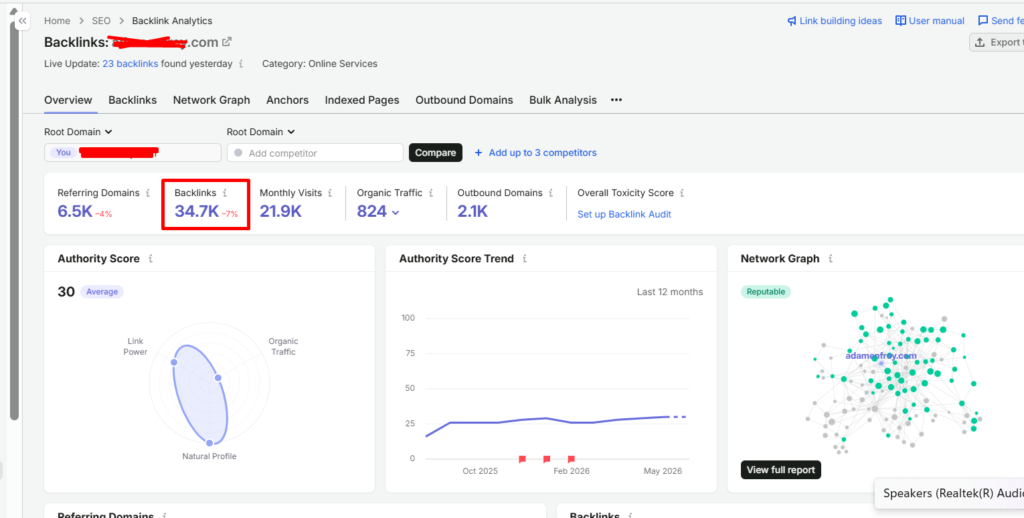
Quality backlinks are one of Google’s strongest ranking signals. That’s why building high-quality backlinks is one of the most valuable off-page SEO strategies for improving search visibility.
Strong backlinks come from trust and value, not spammy tactics. Publish original content, create link-worthy resources, and connect with reputable websites in your niche.
Best Practices:
- Prioritize quality over quantity.
- Earn backlinks naturally from relevant websites.
- Use natural and relevant anchor text.
- Avoid buying links or using spammy link-building tactics.
Earning high-quality backlinks helps improve your website’s authority and long-term search visibility.
2. Guest Blogging

Guest blogging remains a valuable way to improve your website’s authority. By contributing useful content to reputable websites, you can earn quality backlinks and expand your audience.
Focus your guest blogging efforts on reputable websites within your niche. Quality backlinks build trust, improve your authority, and introduce your website to a larger audience.
Best Practices
- Publish original content that solves real problems.
- Build backlinks from trusted and relevant sources.
- Earn editorial backlinks instead of buying links.
- Stay away from spammy websites and link networks.
- Build long-term credibility through genuine relationships.
One outstanding guest post on a trusted website is worth more than dozens of articles on low-quality blogs.
3. Broken Link Building
Broken link building is an effective way to gain authoritative backlinks. By finding broken links and offering relevant replacement content, you create value for website owners while earning quality backlinks.
This approach often leads to better long-term SEO results than traditional outreach because the replacement is useful and relevant.
How to Do Broken Link Building
- Find broken outbound links on relevant websites.
- Reach out to the website owner and report the broken link.
- Contact the website owner and politely let them know about the broken link.
- Recommend your relevant content as a suitable replacement.
Pro Tip: Don’t focus on the number of backlinks. With broken link building, a few high-quality links from trusted websites can significantly improve your SEO.
4. Digital PR
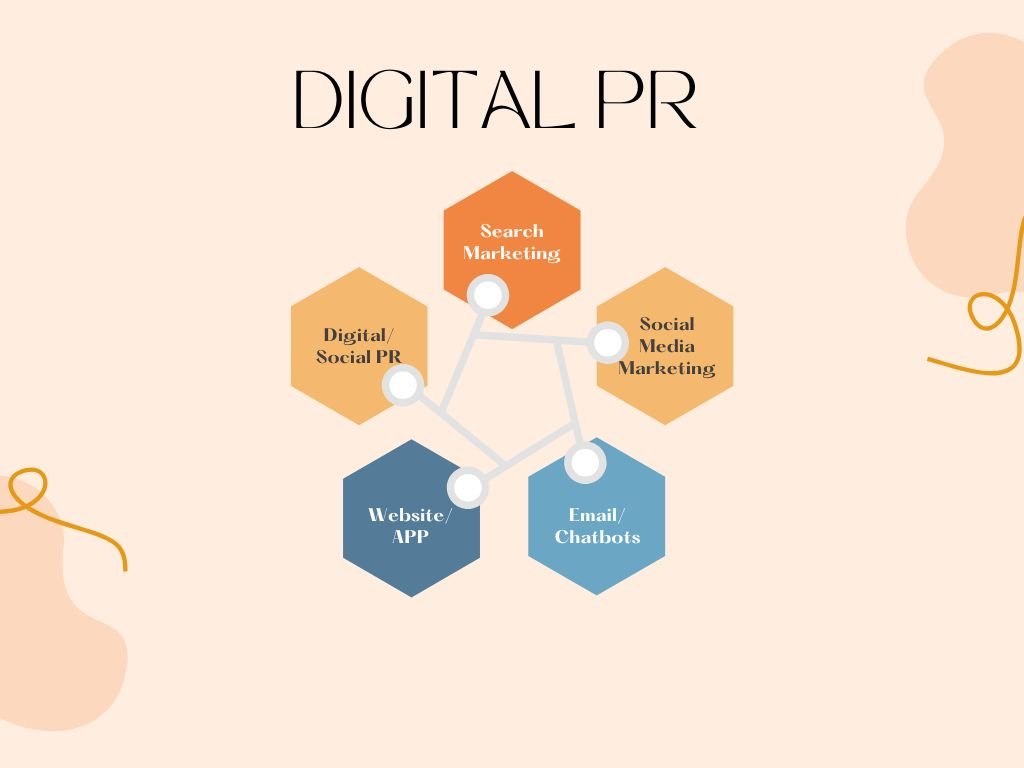
Digital PR helps establish your website as a trusted source by generating media coverage, brand mentions, and quality backlinks.
Creating unique and useful content encourages journalists and bloggers to mention your brand and link back to your website.
The biggest advantage of digital PR is earning backlinks from reputable websites. These high-authority links improve your online reputation and provide stronger SEO benefits than low-quality backlinks.
Best Practices
- Publish original research, surveys, or industry statistics.
- Create newsworthy content with a unique angle.
- Share expert opinions and insights on trending topics.
- Build relationships with journalists, bloggers, and publishers.
Prioritize quality over quantity. A single backlink from a highly trusted news or industry website can provide more SEO value than dozens of low-quality links.
5. HARO (or Journalist Request Platforms)
Journalist request platforms let you share your expertise with reporters covering a wide range of topics. Responding to relevant requests can help you gain media exposure and recognition in your industry.
When your contribution is published, it may include a backlink or a brand mention from a reputable website. These high-quality signals improve your website’s authority and search visibility.
How to Use HARO Effectively
- Keep your profile complete and up to date.
- Provide helpful, original, and relevant answers.
- Send your pitch before the deadline.
Pro Tips: Focus on solving the journalist’s problem, not promoting your brand. Helpful responses naturally attract valuable backlinks and media mentions.
6. Social Media Promotion
Social media is an effective way to promote your content and grow your online presence. While it doesn’t directly influence Google rankings, it can attract new audiences, increase brand mentions, and encourage natural backlinks.
Share your content with the right audience on social media. Helpful, informative posts naturally attract more engagement, shares, and website visits.
Best Practices
- Share content consistently across platforms your audience prefers.
- Use compelling captions that spark interest and discussion.
- Convert blog posts into engaging visual content.
- Build relationships by joining relevant communities.
- Post regularly to maximize reach and engagement.
Every social media post is an opportunity to expand your reach. The more people who see your content, the more likely it is to earn trusted backlinks.
7. Content Marketing
Instead of chasing backlinks, create content worth linking to. High-quality resources naturally attract mentions, shares, and backlinks from relevant websites.
Publish original, in-depth resources such as comprehensive guides, case studies, research, statistics, and practical tutorials that solve real problems.
Creating valuable content is only the first step—promoting it through social media, email newsletters, online communities, and other relevant channels to maximize its reach and attract high-quality backlinks.
Best Practices:
- Create content that educates, informs, and solves problems.
- Refresh older content to improve its usefulness.
- Promote content consistently to reach more people.
- Use original visuals, research, and expert insights.
- Publish content that people naturally want to reference.
Create content that’s worth citing, not just reading. When your content becomes a trusted resource, other websites will naturally link to it, strengthening your authority and improving your search rankings.
8. Influencer Outreach

Influencer outreach is about partnering with credible voices to expand your reach and build trust. When influencers share or mention your content, it can increase brand awareness, referral traffic, and website authority.
Don’t focus on asking for backlinks. Build authentic relationships, provide value, and create collaborations that naturally earn mentions and links.
Best Practices:
- Partner with influencers who are relevant to your niche.
- Personalize every outreach email or message.
- Offer value before asking for a mention or collaboration.
- Create high-quality content that influencers want to share.
Influencer outreach earns trusted backlinks and brand mentions that increase your website’s authority and improve off-page SEO.
9. Brand Mentions

Brand mentions are references to your brand, business, or website across the web, even when they don’t include a backlink. They help increase brand awareness and demonstrate that your business is recognized by others.
While backlinks still carry significant SEO value, consistent brand mentions from trusted sources also help establish authority, credibility, and trust in your niche.
How to get more brand mentions:
- Publish original, high-quality content that people want to reference.
- Build relationships with bloggers, journalists, and industry influencers.
- Contribute guest posts and participate in expert roundups.
- Promote your content through social media and digital PR.
Pro Tip: Focus on becoming a trusted resource in your niche. Natural brand mentions from reputable sources provide lasting SEO value.
10. Local SEO Citations
Local SEO citations are online business listings that include your NAP details and website. Maintaining consistent information across trusted platforms helps improve your business’s credibility and local visibility.
These citations also act as valuable trust signals, helping strengthen your off-page SEO and overall online authority.
Best practices for local SEO citations:
- Keep your business name, address, and phone number consistent across all listings.
- Submit your business to reputable local and industry-specific directories.
- Complete every profile with accurate information, business hours, photos, and your website URL.
- Regularly update outdated listings and remove duplicate or incorrect citations.
- Encourage genuine customer reviews to improve trust and local visibility.
When supported by quality backlinks and digital PR, local SEO citations become even more effective at building trust, improving local visibility, and growing organic traffic.
11. Forum Marketing (When Genuinely Helpful)
Helpful forum participation is still a powerful off-page SEO strategy in 2026. Sharing expert advice can increase your visibility, establish credibility, and attract highly relevant traffic.
Be active in niche-specific forums and share links only when they improve the conversation. A value-first approach leads to better engagement and lasting authority.
Best Practices
- Join active, niche-relevant forums.
- Answer questions with helpful, detailed responses.
- Share links only when they genuinely help users.
- Build credibility before promoting your website.
- Stay active and follow each forum’s community guidelines.
Examples: Reddit communities, niche industry forums, product support forums, and online discussion boards.
12. Q&A Websites (e.g., Quora)
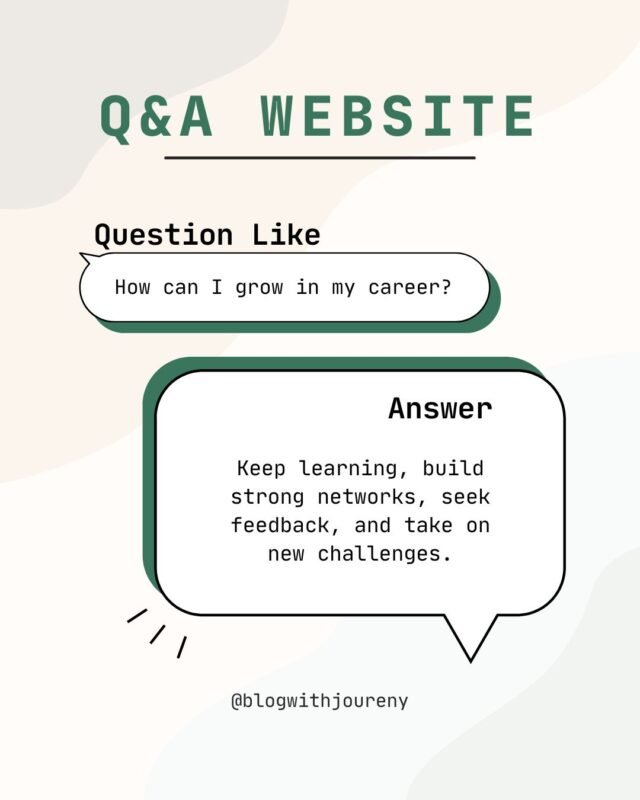
Q&A platforms help you connect with users who are searching for real solutions. By consistently answering relevant questions, you can build credibility, increase brand visibility, and attract qualified visitors to your website.
Always prioritize helpful, informative responses over self-promotion. Link to your content only when it offers additional value and enhances the reader’s experience.
Best Practices:
- Focus on topics where you have expertise.
- Write clear, detailed, and people-first answers.
- Include links only when they genuinely add value.
- Complete your profile with your website and professional details.
- Stay active by answering new and popular questions regularly.
Think of every answer as an opportunity to build authority. Genuine, high-quality responses create lasting trust and attract the right audience.
13. Business Directory Submissions
Business directory submissions are a simple yet effective off-page SEO strategy when you use trusted, high-quality directories. Accurate business listings improve your online visibility, strengthen local SEO, and build credibility with both users and search engines.
Focus on reputable, niche-relevant directories instead of low-quality or spammy ones. Keeping your business information consistent across every listing helps search engines verify your business and reinforces your online authority.
Best Practices
- Submit your business only to reputable, high-quality, and niche-relevant directories.
- Keep your business name, address, and phone number (NAP) accurate and consistent across all listings.
- Write a unique, clear, and informative business description.
- Choose the most relevant business category for each listing.
- Avoid spammy, low-quality, or automated directory submissions.
A few trusted business directory listings provide far more SEO value than hundreds of low-quality submissions.
14. Podcast Guest Appearances

Podcast interviews help position you as an expert while introducing your brand to new audiences. In many cases, hosts also include backlinks to your website, providing lasting SEO value.
Speak on podcasts where your knowledge adds real value. Authentic discussions help strengthen your authority, expand your audience, and support long-term off-page SEO.
Be a guest on podcasts that attract your ideal audience and focus on educating rather than promoting. Include a professional bio with your website link, share each episode widely, and build long-term connections with podcast hosts.
15. Create Linkable Assets
A linkable asset is content that people want to cite, share, and recommend. The more useful and original your resource is, the more likely it is to get high-quality backlinks.
Examples of linkable assets include detailed guides, original research, industry statistics, free tools, templates, infographics, and case studies.
Rather than concentrating on link building, focus on making content that deserves links. Valuable resources naturally attract backlinks, build authority, and boost long-term organic visibility.
116. Competitor Backlink Analysis
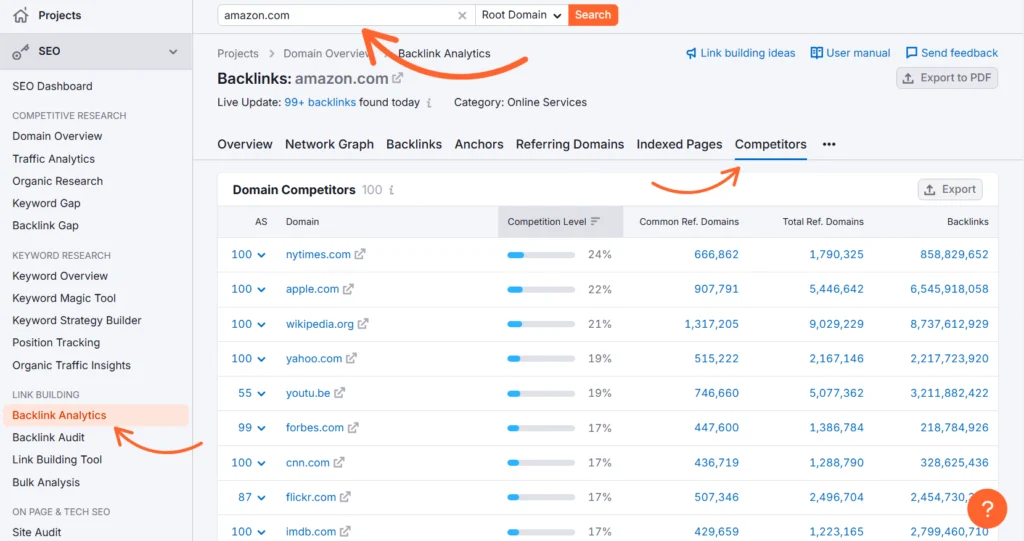
Studying your competitors’ backlinks helps you find trusted websites that often link to credible content. This lets you create a more effective off-page SEO strategy.
Analyzing competitor backlinks gives you helpful insights into successful link-building approaches. Focus on reputable websites that relate to your niche to build lasting authority and improve your off-page SEO.
17. Internal Brand Building & E-E-A-T Signals
A strong brand is one of your greatest SEO assets. By consistently demonstrating Experience, Expertise, Authoritativeness, and Trustworthiness (E-E-A-T), you build the credibility that supports higher rankings and sustainable organic growth.
A strong brand is built through helpful content, real expertise, trusted mentions, positive reviews, and consistent engagement. Over time, these signals reinforce your website’s credibility and authority.
Best practices:
- Showcase your expertise with professional Author and About pages.
- Earn mentions and backlinks from trusted websites.
- Collect genuine customer reviews and testimonials.
- Keep your business information consistent across the web.
- Publish original, experience-based content regularly.
Trust is your biggest competitive advantage. Combine quality backlinks with strong E-E-A-T signals.
Best Off-Page SEO Practices for 2026
Off-page SEO in 2026 is all about building a credible online reputation. Search engines prioritize trustworthy, relevant signals over the sheer number of backlinks, making quality far more important than quantity.
Focus on earning high-quality backlinks from reputable, niche-relevant websites by creating valuable, original content.
Strengthen your off-page SEO with digital PR, guest blogging, brand mentions, social media promotion, influencer outreach, podcast appearances, and local business citations to build long-term authority.
Avoid shortcuts such as buying backlinks or participating in link schemes. Instead, earn backlinks naturally by following Google’s best practices and regularly monitoring your backlink profile.
The best off-page SEO results come from patience and consistency. Focus on building authority—not shortcuts—to achieve sustainable organic growth.
Most Common Ask Questions
What is the best off-page SEO strategy in 2026?
No single strategy works best for every website. The strongest results come from publishing valuable content that naturally attracts authoritative backlinks.
How long does off-page SEO take to show results?
Most off-page SEO strategies take three to six months to produce noticeable results. The exact timeline depends on your competition, website authority, and backlink quality.
Is link building still important in 2026?
Definitely. Search engines still value high-quality backlinks, especially those earned naturally through valuable content and genuine relationships.
What is the difference between on-page SEO and off-page SEO?
On-page SEO focuses on optimizing your website’s content, keywords, headings, images, internal links, and technical elements. Off-page SEO focuses on building your website’s authority through backlinks, brand mentions, digital PR, citations, and other external trust signals.
Can social media improve SEO rankings?
Social media isn’t a direct ranking signal, but it plays an important role in SEO by expanding your content’s reach and encouraging backlinks and brand mentions.
How many backlinks do I need to rank?
There is no fixed number of backlinks needed to rank. Focus on earning high-quality, relevant backlinks from trusted websites, as a few authoritative links often outperform hundreds of low-quality ones.