13+ Best Free WordPress Themes for Affiliate Marketing Website


Your theme helps drive traffic to your website’s look and design. And if you’re just starting out in affiliate marketing and can’t decide which free WordPress themes is best for you,
Remember that the right theme doesn’t just affect the appearance of your site—it also affects layout, readability, navigation, mobile experience, customization, and overall user experience.
You’ll be happy to know that many free WordPress themes provide a clean and professional foundation for affiliate websites.
There are over 8,500 free WordPress themes available in the WordPress theme sector. I have carefully selected 13 best free WordPress themes that can work well for different types of affiliate websites.
Why I Recommend These Themes for Your Affiliate Journey
I started my WordPress journey in 2021 and have built many websites using free themes and plugins. Now, it’s 2026, and I have experience with over 100 WordPress themes in 5 years of my career.
Simply put, I don’t recommend a WordPress theme just because it has a nice homepage.
I will focus on a few practical strategies for selecting my affiliate marketing themes:
- Clean design and user readability.
- Mobile-friendly design
- Theme Customization & Compatibility
- Performance
- Long-term flexibility
If you read my entire article carefully, you will fully understand which WordPress theme you should use for which purpose.
What Is the Best Free WordPress Theme for Affiliate Marketing?
The best choice depends on your business type, design preferences, content structure, technical experience, and the type of affiliate content you publish.
Here are my recommended top 13 WordPress themes.
1. Astra
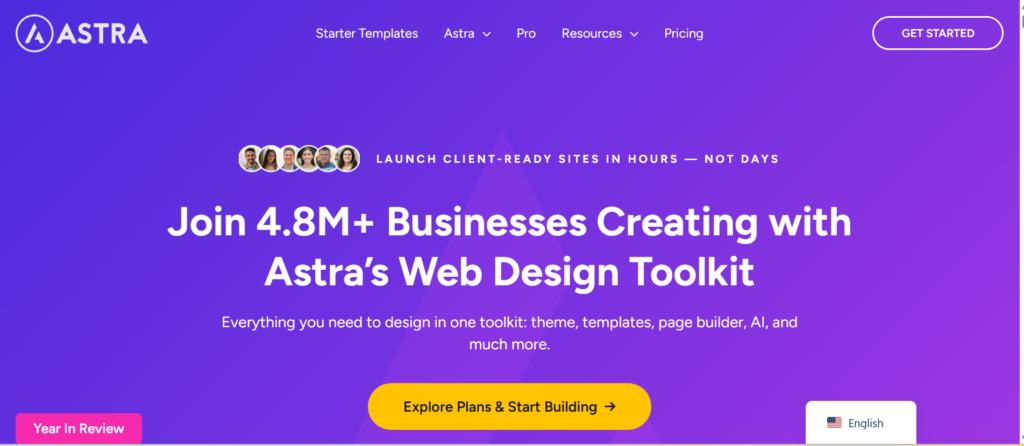
Astra is one of the best and most popular choices among lightweight and flexible themes for WordPress. The theme is designed to work with the WordPress block editor and all popular page builders. It also offers blog layout and customization options, which can work well for affiliate content.
For affiliate marketers, Astra can support a variety of content types, including reviews, comparisons, guides, list posts, landing pages, and blog articles. Plus, it’s easy to start with a basic design and improve it over time.
Advantages:
- Lightweight and flexible beginner-friendly structure
- There are plenty of opportunities to easily customize.
- Supports Gutenberg, elementor and all popular page builders
- Suitable for content-focused websites
- Choose from 380+ starter template designs
Disadvantages:
- For some advanced features, you will need to pay for their upgrade plan.
- The number of options can seem overwhelming for beginners.
Our Take: We recommend Astra as the best option for beginners, affiliate blogs, and review websites. It’s flexible, easy to customize, and works well with every popular plugin and page builder.
2. Kadence
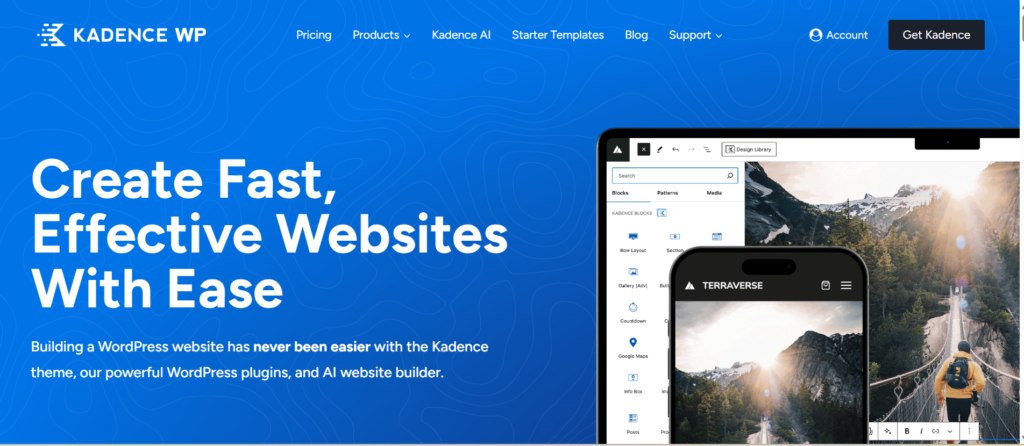
Kadence is a lightweight, content-focused WordPress theme that focuses on customization and ease of use. It includes useful features like a drag-and-drop header and footer builder, starter templates, global typography and color controls, and compatibility with popular plugins.
Since affiliate websites often contain a lot of written content, it can be helpful to have control over typography and page layout.
With Kadence, you can create a professional affiliate blog with navigation, featured images, table of contents, comparison tables, CTA buttons, related posts, and footer links.
Advantages:
- Clean, modern and responsive design
- Lightweight and performance-focused
- Newbie-friendly with flexible customization options
- Powerful header and footer controls
- Works well with Gutenberg and popular page builders
- Suitable for blogs, affiliate websites, and content-focused sites
Disadvantages:
- Some advanced features may require the Pro version.
- The free version has limited access to some starter templates and advanced design controls.
Our Take: Kadence is an excellent choice for affiliate marketers, who write content-focused affiliate blogs and powerful customization options.
3. GeneratePress
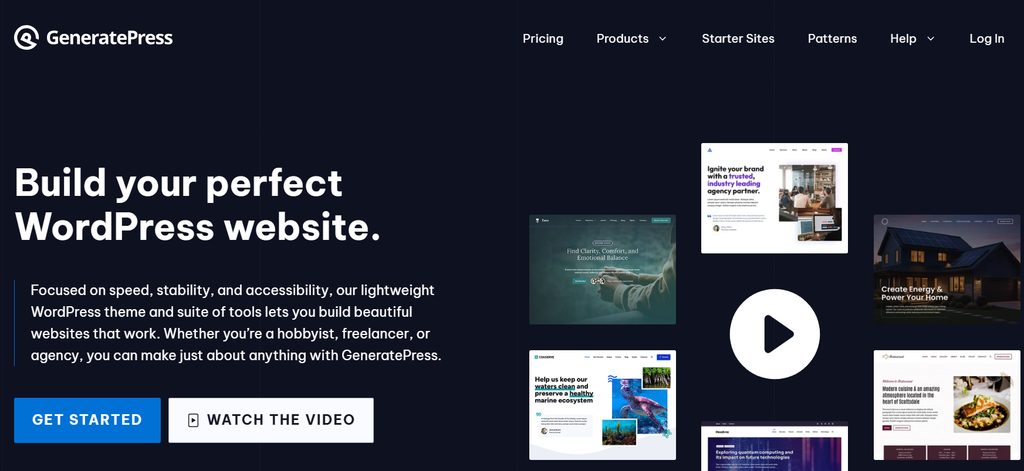
GeneratePress is built with lightweight performance and usability in mind. WordPress.org describes it as a lightweight theme with strong compatibility with Gutenberg, major page builders, and well-coded plugins.
In its free version, you can use several useful things like layout, typography, navigation, and widget controls.
Affiliate website designs don’t need to be complicated. If publishing useful content and building credibility is your priority, the GeneratePress version may be enough.
Advantages:
- It is lightweight and can be loaded quickly.
- You can work by creating clean and simple designs.
- Easy to use and customize your website
- Great for content-focused websites
- Works well with Gutenberg and popular page builders
Disadvantages:
- The free version offers access to some advanced features.
- For those who want a very attractive website, the design may seem too plain.
Our Take: If you want a simple and lightweight theme that focuses on affiliate content performance, choose GeneratePress.
4. Blocksy
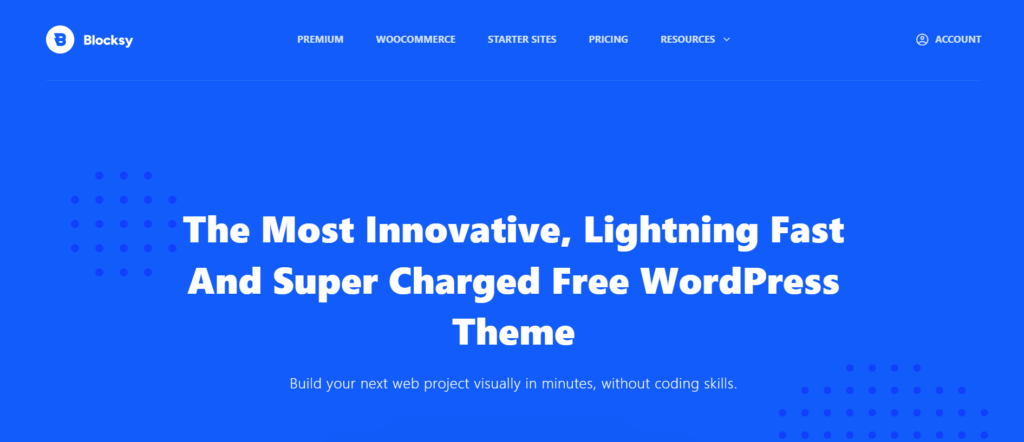
Blocksy is a modern WordPress theme that works with the block editor and offers a variety of blog types, layouts, and customization features. WordPress.org currently lists it as a free theme with paid upgrades.
This can benefit affiliate websites with attractive product categories, featured articles, and well-organized sections.
If you want to make your website structure more modern while keeping it content-centric, Blocksy might be a good option.
Advantages:
- Modern and clean looking free WordPress theme
- Creates responsive designs for mobile users
- Strong compatibility with WordPress block editors and page builders
- Flexible blog layout and clear customization options
Disadvantages:
- Add your Side Live Customize and Dynamic Needs Pro plans.
- It takes a little longer to understand the advanced features.
Our Take: Blocksy is an upgradable modern-looking affiliate website theme and users prefer a more visually appealing design.
5. Neve
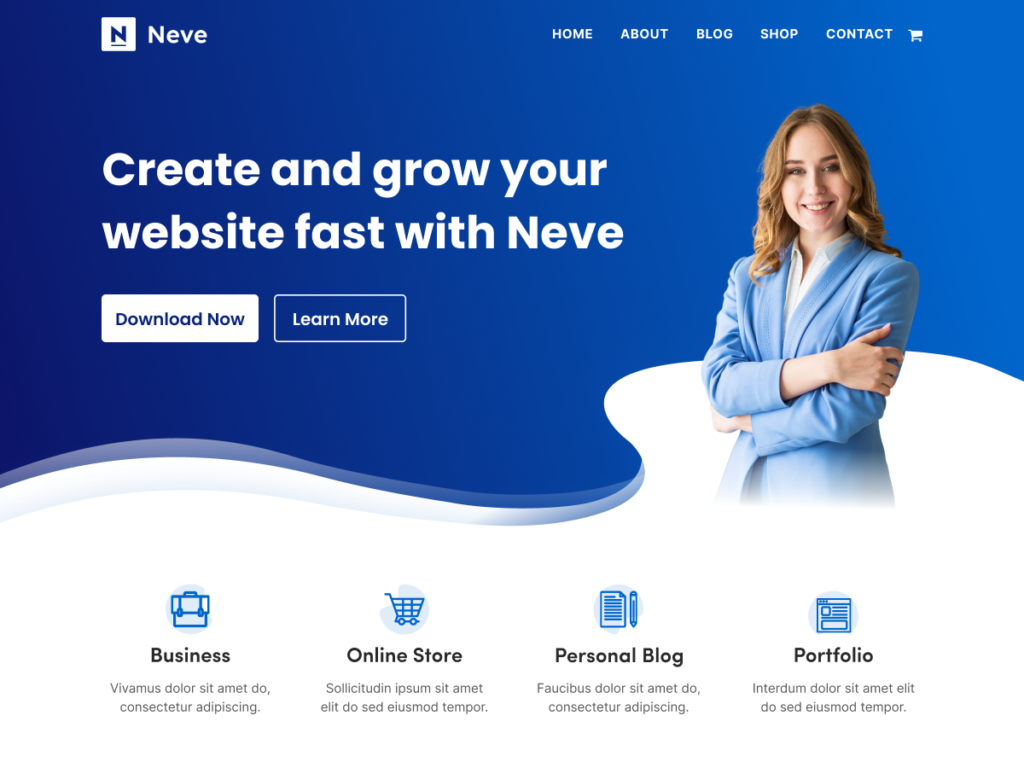
Neve is another flexible multipurpose WordPress theme. It is a lightweight theme that focuses on performance and compatibility with gutenberg block editors, page builders, and WooCommerce.
The main strength of this theme is its flexibility. In addition to an affiliate website, you can use this theme to create a tech blog, SaaS website, product review site, or personal brand.
Advantages:
- Light, responsive and fast loading design
- Easy and flexible customization for new affiliate marketers
- It works well with popular page builders like Elementor, Divi, and Beaver.
- Suitable for blogs, affiliate websites, and WooCommerce stores
Disadvantages:
- This free version you can not access woocommerce options
- Some advanced designs may require additional tools.
Our Take: If you want a simple and flexible theme that can support both blogging and business-style affiliate websites, Neve is a reliable choice.
6. OceanWP
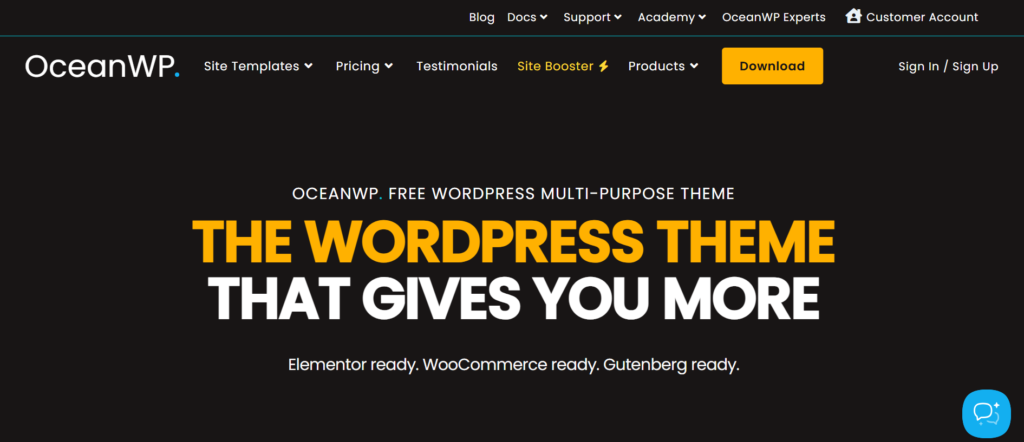
OceanWP is an amazing, flexible, and versatile free theme that lets you do everything from blogs, business websites, portfolios, and online stores.
The theme has many layout and customization controls. Its documentation highlights options for blog layout, typography, responsive settings, sidebars, colors, and other website elements.
OceanWP allows you to create affiliate pages, comparison posts, categories, resources, and featured products for product reviews.
Advantages:
- Flexible design and highly customizable.
- Responsive and mobile-friendly
- Works well for blogs, affiliate sites, and other websites.
- Supports popular page builders with strong layout controls
Disadvantages:
- Many settings can seem confusing at first glance.
- For some advanced features, you will need to use additional plugins.
Our Take: If you are looking for very simple customization for your affiliate website, the OceanWP theme is a good option.
7. Zakra
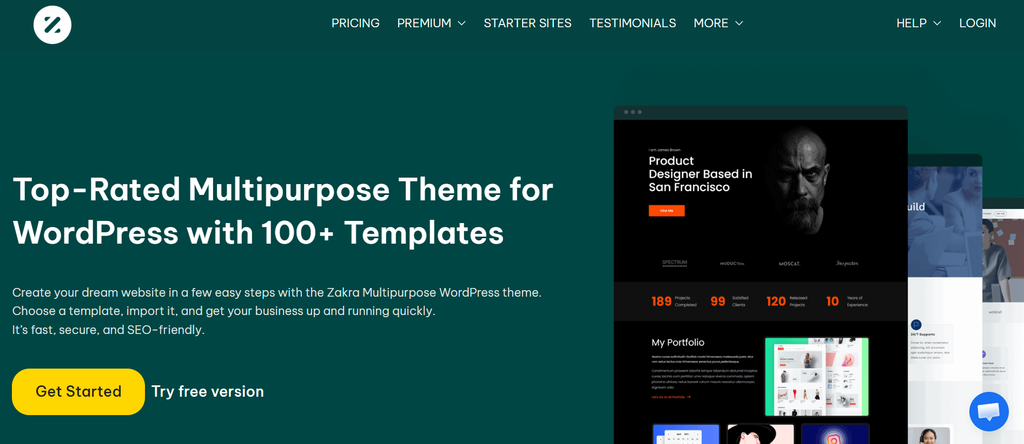
Zakra is a basic multipurpose and flexible WordPress theme that can be used to create starter sites and is compatible with block editors and popular page builders.
The free version includes over 40 pre-designed starter demo sites and is designed to work with affiliate blogs, business sites, and other types of websites.
Instead of designing each part from scratch, initial designs can give you a basic framework that you can modify to suit your needs.
Advantages:
- Suitable for beginners with easy customization options.
- Starter design made for quick setup
- Responsive and mobile-friendly on all devices
- Works with Gutenberg and popular page builders in various fields..
Disadvantages:
- The free version has very limited e-commerce customization options.
- It may take some time to customize the starter design.
Our Take: If you want to quickly bring an affiliate website online with a pre-built foundation, then Jakra is a realistic option.
8. Sydney

Sydney is a professional freelance website in the affiliate business style. This theme is primarily Elementor and is compatible with Google Fonts, Color Control, Layout Control, Sticky Navigation, Responsive Design, and WooCommerce.
If you are creating an affiliate website with software, SaaS products, business tools, hosting, or professional services, then a Sydney business-style design can work very well.
Advantage:
- This theme looks modern and professional.
- SEO friendly responsive design for mobile and desktop
- It works well with Elementor integration and WooCommerce.
- Pre-built starter site with flexible customization for affiliate websites
Disadvantages:
- It takes time for beginners to understand the deep customization options of WordPress.
- Upgrade to the Pro plan to get native WooCommerce support
Our Take: If you want a professional SaaS business-style affiliate website, Sydney is a perfect choice.
9. Phlox
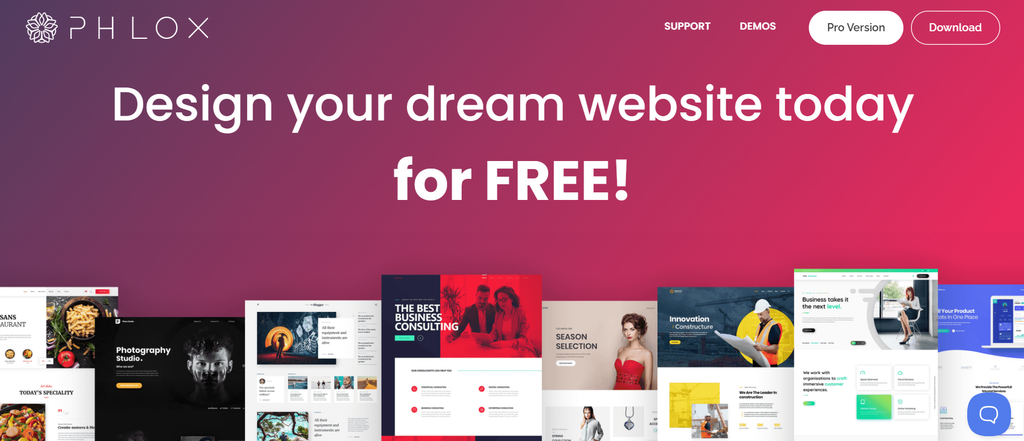
Phlox is a flexible modern aesthetic WordPress theme designed for blogs, business websites, portfolios, and online stores. It offers a wide range responsive customization options and works closely with Elementor, allowing you to create and customize pages without coding.
For affiliate websites, Phlox offers to create product reviews, comparison pages, blog posts, resource sections, and landing pages.
Advantages:
- Flexible customization options for different affiliate website layouts
- Strong Elementor compatibility for easy page building
- Responsive design that works well across devices
- WooCommerce support for online stores and product-focused websites
Disadvantages:
- The customization options can seem quite complicated for beginners.
- Some advanced features and templates are available with the Pro version
Our Take: If you are creating an affiliate blog site and an affiliate product-review website, the Phlox WordPress theme is the best choice.
10. Hueman
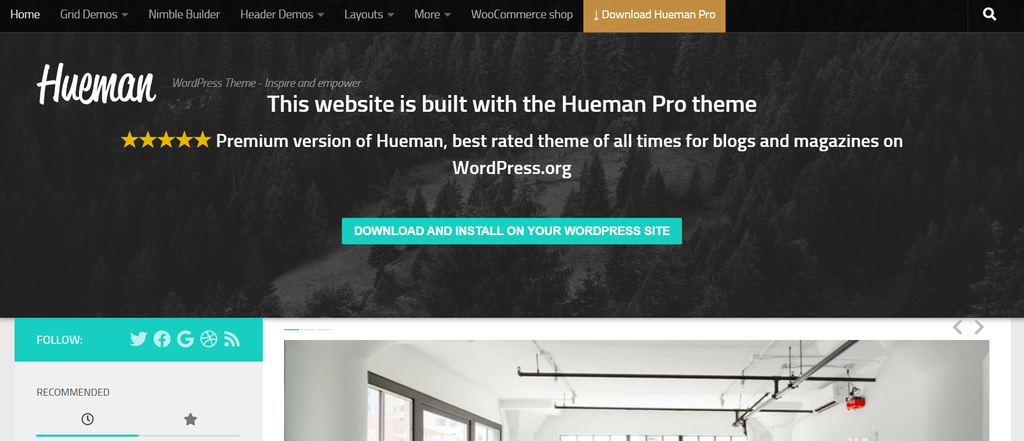
Hueman has traditionally focused on blogs and magazine-style websites. Its WordPress.org listing highlights features such as multiple column layouts, sidebars, featured images, custom colors, and responsive design.
If your affiliate website will publish a large amount of content, a magazine-style layout can help organize multiple categories and articles.
You can organize a technology affiliate website into sections like web hosting, WordPress, SEO tools, AI tools, SaaS, blogging, and affiliate marketing. The magazine-style layout makes navigation simple and clear.
Advantages:
- This turns your website into a content-rich affiliate website.
- Fully flexible blog and magazine-style layouts
- Can add multiple sidebars and featured-image options
- Responsive design for mobile and tablet users
Disadvantages:
- The design style may seem more traditional.
- Not as concise as some newer themes
Our Take: If your affiliate website publishes a lot of articles in multiple categories, then Human may be considered.
11. Hestia
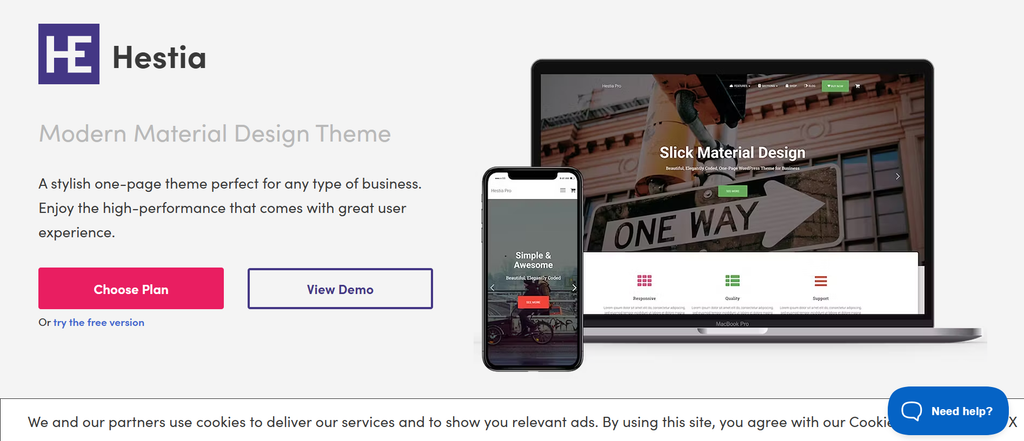
Hestia is a modern multipurpose theme designed for professionals, startups, small businesses, and classic affiliate website designers. This theme has features like responsive design, blogging support, and eCommerce compatibility.
A solution for affiliate marketers who need a professional-looking website; as well as those who want to create websites for marketing, technology, startups, and business tools.
Advantages:
- Modern and professional design
- Responsive layout for all devices
- Great for business and affiliate websites
- Elementor and WooCommerce compatible with strong visual presentation
Disadvantages:
- The design can be more elaborate than necessary for a simple blog
- Advanced features require paid upgrades
Our Take: If you want to make your affiliate website modern and business-focused, Hestia is a good option.
12. Customify
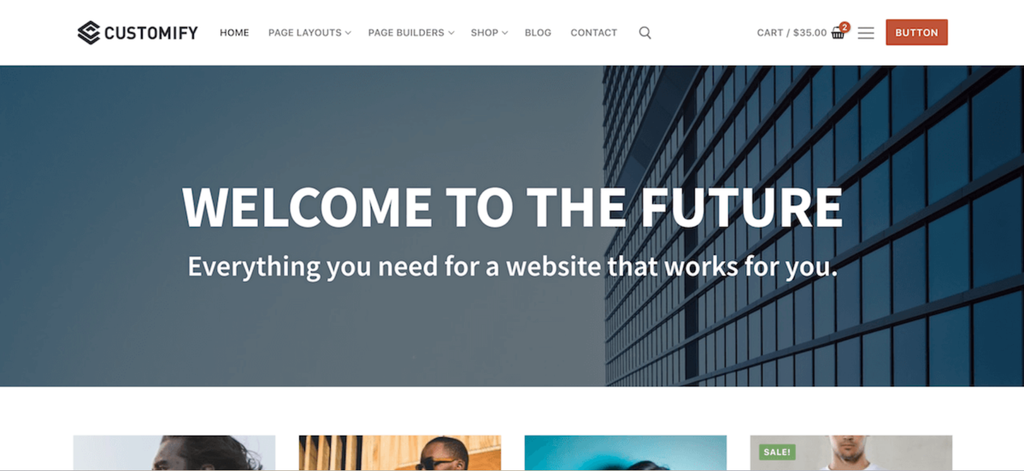
Customify is a lightweight and extremely fast WordPress theme that focuses on customization, speed, SEO, and usability. It has a visual header and footer builder and is compatible with several popular page builders and plugins.
For an affiliate website, it’s important to easily find important information in the header and footer. Customify allows you to customize the sections with your logo, navigation, search, categories, resource pages, and necessary legal links.
Advantages:
- Flexible customization with a lightweight foundation
- Header and footer builder for better site control
- Compatible with popular page builders
- Suitable for blogs, affiliate sites, and business websites
Disadvantages:
- Smaller ecosystem than some leading themes
- Some advanced features require paid upgrades
Our Take: If header, footer, and layout customization is a high priority for your affiliate site, then Customify is an option worth considering.
13. ColorMag

ColorMag is primarily designed for news, magazine, publishing websites, and blogs. Its features include multiple starter demos, Gutenberg support, WooCommerce compatibility, an ad widget area, and magazine-style content layout.
A growing affiliate website can benefit from ColorMag’s well-organized magazine-style layout. You can organize the homepage based on the latest articles and major categories like web hosting, WordPress, SEO tools, AI tools, SaaS, and affiliate marketing.
Advantages:
- Ideal for content-heavy websites with magazine-style layouts
- Multiple content sections and ready-made starter designs
- Dedicated advertising areas for monetization
- Gutenberg-compatible with flexible content management
Disadvantages:
- Magazine-style designs may not be suitable for all affiliate categories.
- Can be unnecessary for a small website with only a few articles
Our Take: If your affiliate website is going to become a large content publication, ColorMag is a strong option.
How to Install a Free WordPress Theme
Installing a free WordPress theme is usually quick and easy, even if you’re new to WordPress. Most free themes can be installed from your WordPress dashboard, so you don’t have to manually download or upload any files.
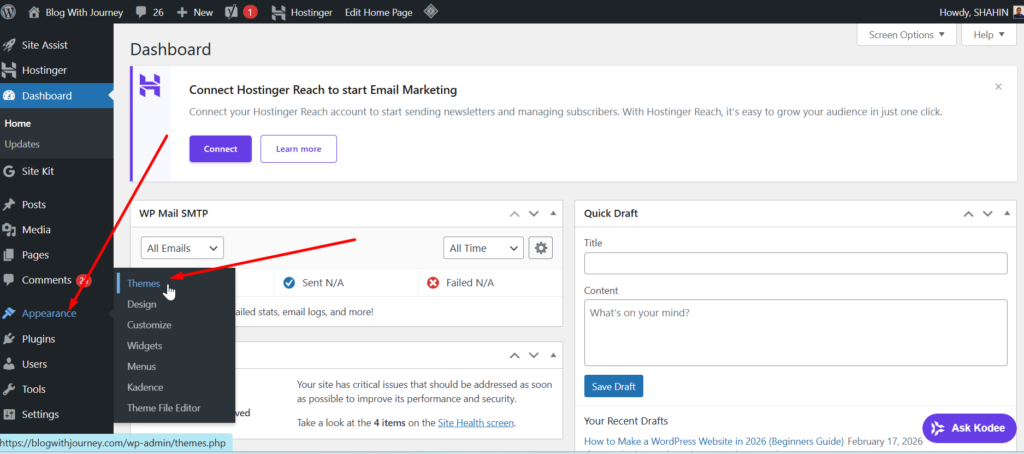
The process for installing a free theme is simple:
- Log in to your WordPress dashboard.
- Go to Appearance → Themes → Add New Theme.
- Find the theme you like and click Install. For example, Kadence.
- When the installation is complete, click Activate.
Once the theme is activated, you will see that the overall layout of your website has changed. Pay attention to the homepage, navigation menu, header, footer, sidebar, blog posts, featured images, and how it looks on mobile.
Free vs. Premium WordPress Themes for Affiliate Marketing
Both free and premium themes can be useful for an affiliate marketing website. If you’re building your first affiliate site, a free theme can help you learn and improve, as well as keep costs down.
Free themes allow you to build your site at no cost. They may include responsive designs, useful customizations, and some advanced features.
Premium themes usually have additional templates, more control over design, more features, and premium support.
If you are just starting out in affiliate marketing, use a free theme, there is no need to try a premium theme. You can invest in a premium theme later as your website Marketing
The most important thing is to choose a theme that gives you a clean foundation and allows you to focus on publishing useful content.
How to Customize Your WordPress Affiliate Theme
After installing your WordPress theme, customize it to match your affiliate website and brand. You can make the most common changes without any coding skills. Simply go to Appearance → Customize to adjust your theme’s layout, colors, fonts, and other design settings.

First, create a simple logo and choose a few colors that represent your brand. Two or three consistent colors are usually enough. Next, pay attention to legible fonts, appropriate text sizes, clear headings, and adequate spacing to make your writing easy to read.
Create a clean header and easy-to-understand navigation that will take visitors to the pages they need most.
Organize your articles into specific categories, such as web hosting, WordPress, SEO, AI tools, SaaS, blogging, and affiliate marketing. Keep the sidebar functional but uncluttered.
Finally, create your important pages, such as About, Contact, Privacy Policy, Terms and Conditions, and Affiliate Disclosure. Keep your overall design clean and centered around your content.
How to Optimize Your Affiliate Website for SEO and Speed
It’s a good idea to start with a lightweight WordPress theme for an affiliate website. However, website speed and search visibility depend on more than just your theme. Hosting, plugins, images, caching, updates, content, and site structure all deserve attention.
Here are some effective ways to optimize your website.
- Use a Lightweight Theme — Choose a theme that provides the foundation of essential features. Themes like Astra, Kadence, GeneratePress, Blocksy, and Neve are lightweight and simple.
- Install Only Essential Plugins — Avoid unnecessary plugins and only use those that provide real benefits, such as SEO, security, backups, caching, forms, affiliate link management, and analytics. Avoid using multiple plugins that do the same thing.
- Optimize Your Images — Resize and compress images before uploading, using modern image formats if possible. Add descriptive alt text to help search engines understand your images.
- Choose Reliable Hosting — Your hosting environment has a direct impact on the performance and speed of your website. Consider things like good and reliable server performance, SSL, backups, security features, adequate resources, and fast support.
- Keep Everything Updated — Update WordPress, your themes, and plugins regularly to maintain security, compatibility, and performance. Always have a recent backup before making any major updates.
- Make Your Design Simple — Avoid adding unnecessary sliders, animations, popups, videos, and decorative elements. Each design element should have a clear purpose and be specific to the audience of your content.
- Build Strong Internal Links — Provide links to related articles to help visitors find more useful information. For example, a WordPress security article could be linked to a WordPress hosting guide, plugin guide, tutorial for beginners, and related comparison articles.
- Publish Helpful Affiliate Content — A fast website requires valuable content to attract visitors. Include useful information such as key features, pricing, pros and cons, limitations, alternatives, comparisons, your experience, frequently asked questions (FAQs), and a clear conclusion as needed.
Note: Your theme should always support your content, not replace it. A clean design, fast performance, useful internal links, and genuinely helpful content create a stronger foundation for a successful affiliate website.
Final Thoughts
Before choosing your WordPress theme for affiliate marketing, choose a good web hosting. A good hosting improves the speed and performance of your website and presents your site beautifully online.
Above I have described all the WordPress affiliate themes that can be a great fit for starting your affiliate marketing journey.
If you’re brand new, don’t spend too much time looking for the ‘perfect’ theme.
If you search on Google which theme has created more affiliate sites for free and you will see that astra, kadence and generatepress have created more websites with these themes, then you don’t have to pay any more. Is it true that I am using the kadence theme for my website?
After choosing your theme, customize it now and create quality content. A good SEO strategy and consistency will ensure your long-term success.
Finally, start simple, keep your website functional, and gradually improve it as your affiliate business grows.