How to Monetize a Blog with Affiliate Marketing in 2026


If your aim is to master how to monetize a blog using affiliate marketing, then 2026 is one of the best times to begin.
When you start a blog, Often the biggest challenge is not getting traffic, but generating revenue. Affiliate marketing addresses this issue by allowing you to earn commissions through genuine recommendations that offer real value to your readers.
With affiliate marketing, bloggers can earn passive income by promoting reliable products instead of developing their own. Whether you focus on technology, health, finance, or lifestyle, affiliate programs can turn your blog into a steady income source.
The good news is that affiliate blogging is still accessible for beginners. By choosing a clear niche, building a solid website, crafting a smart keyword strategy, and consistently creating content, a blog can become a lasting way to earn money over time.
In this guide, you will learn how to monetize a blog with affiliate marketing in 2026. We will discuss how to choose a specific topic (niche), find trusted affiliate programs, create content that increases conversions, attract quality traffic, and increase your income in the long term.
1. Choose a Profitable Blog Niche for Affiliate Marketing

A profitable niche is the backbone of every successful affiliate blog. It defines your entire direction—from content strategy and keyword targeting to search rankings and earning potential. When you choose the right niche from the beginning, you save time, avoid unnecessary competition, and build a faster path toward real results and long-term success.
A strong niche also has clear buyer intent, meaning people are actively searching for solutions and are ready to buy products or services. It should include trustworthy affiliate programs, steady market demand, and a competition level that still allows new bloggers to grow and rank.
High-Profit Niches in 2026
- Web Hosting
- SEO Tools
- WordPress Themes & Plugins
- AI Tools & Software
- Email Marketing Software
- Website Builders
- VPN Services
- Cybersecurity Software
- Blogging & Affiliate Marketing
- Personal Finance
- Investing & Stock Trading
- Cryptocurrency
- Online Courses & E-Learning
- E-commerce & Shopify Tools
- SaaS (Software as a Service) Products
Your niche controls your affiliate income potential. A good niche brings traffic and sales, while a bad one blocks growth. In 2026, target problem-solving niches with strong demand
2. Set Up Your Affiliate Marketing Blog
After selecting your affiliate niche, the next step is to set up your affiliate blog properly.
When you launch your blog, you need two essential things: a domain name and web hosting. A domain name is your website’s address that people type in their browser, like blogwithjourney.com. Web hosting is the service that stores your blog’s files, images, and content and keeps your site live and accessible 24/7 on the internet.
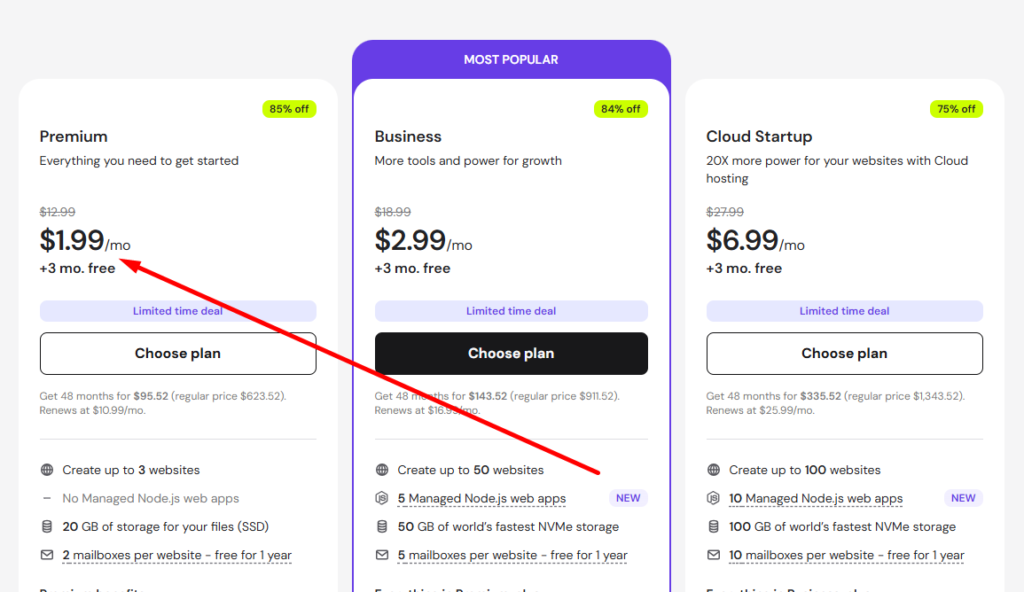
For beginners in 2026, Hostinger is one of the most popular budget WordPress hosting platforms. It offers a smooth balance of performance, affordability, and ease of use, allowing you to build a website quickly without technical skills. Plans start from $1.99/month and often include a free domain, making it a cost-effective choice.
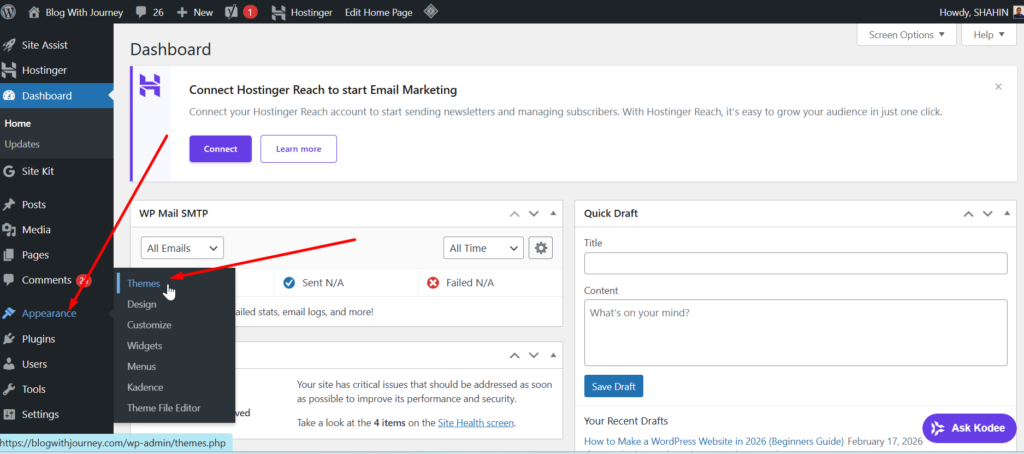
Next step is to select a lightweight, mobile-responsive WordPress theme such as Kadence, Astra, or GeneratePress. A fast-loading and clean design improves user experience and also supports better SEO performance.
👉 If you are not sure how to make a WordPress website or how to start a blog, you should first learn the basics of setting up a blog step by step before moving forward.
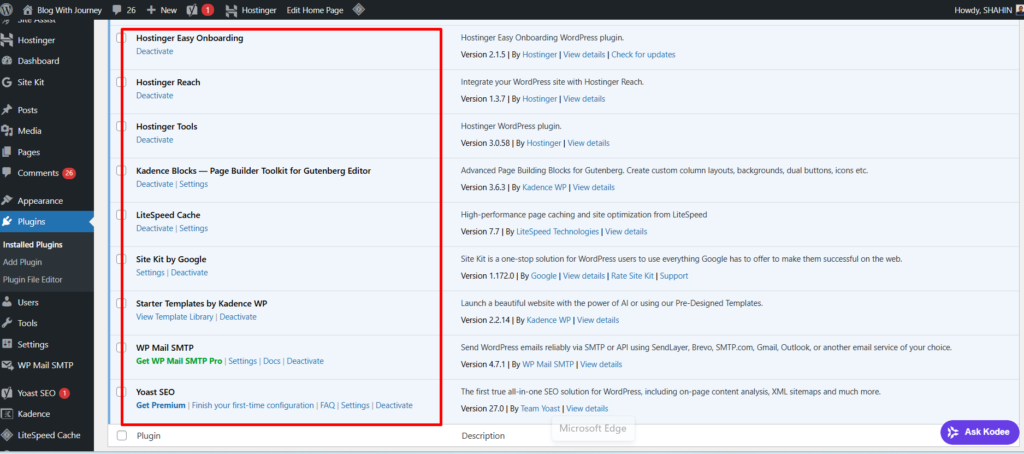
After that, install essential plugins to improve functionality and security. These include an SEO plugin, caching plugin, security plugin, backup solution, and affiliate link management tool. These plugins help optimize your site performance and make blog management easier.
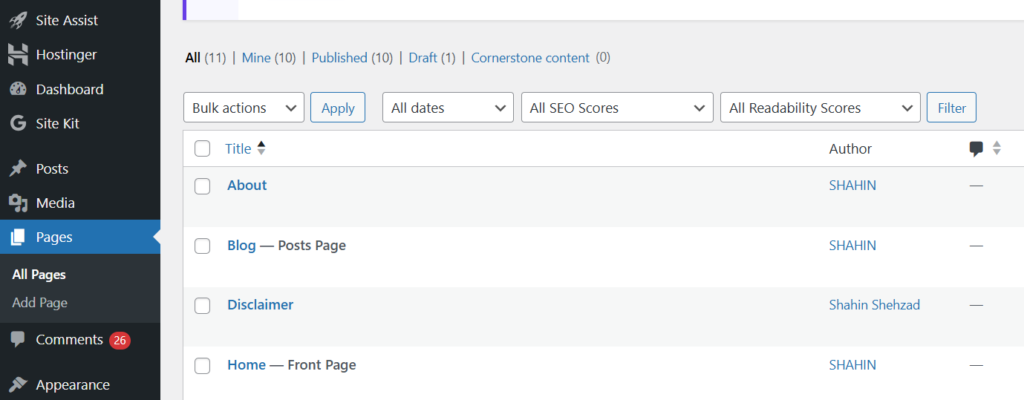
Then, set up the important pages every professional blog needs, such as About Us, Contact Us, Privacy Policy, Disclaimer, and Affiliate Disclosure. These pages build trust with your audience, improve transparency, and ensure your site follows legal and affiliate requirements.
By completing these steps, you will have a strong, well-structured affiliate marketing blog that is ready to attract traffic, build authority, and generate long-term income.
3. Join the Best Affiliate Programs in 2026

After setting up your affiliate blog, it’s time to partner with the right affiliate programs. Choosing trusted, high-converting programs can significantly increase your income potential while helping you build credibility and long-term trust with your audience.
The best affiliate programs combine strong commission rates, timely payments, and reputable products that people actually want. Rather than promoting everything, it is better to focus on select trusted brands that provide real value to your audience.
Popular Affiliate Programs in 2026
- AI Tools & SaaS Software – ChatGPT, Jasper AI, Copy.ai, Notion
- Web Hosting & WordPress Tools – Hostinger, Cloudways, WP Rocket, Elementor
- Digital Marketing & SEO Tools – Semrush, Ahrefs, Mangools, Surfer SEO
- Finance & Personal Investment Tools – Robinhood, Webull, M1 Finance, Empower (Personal Capital)
- Online Education Platforms – Coursera, Udemy, Skillshare, Teachable
Before joining any affiliate network, carefully review important details like payout structure, cookie duration, commission rates, and program terms. Long-term success depends less on high commission percentages and more on how well the product converts and performs with your audience.
Most importantly, always prioritize relevance and user value over commission rate. When you recommend products that truly help your audience solve real problems, you naturally build trust, improve engagement, and create a stable, long-term affiliate income stream.
4. Keyword Research for Affiliate Blog Content
Keyword research is the foundation of every successful affiliate blog. It helps you understand what people are searching for and what topics can bring traffic. Without proper keyword research, even good content may not rank or generate income.

In affiliate marketing, keyword research is not just about search volume—it is about finding buyer-intent keywords that attract people ready to purchase products or services. These keywords connect your content with users ready to purchase and take action.
Good keyword research helps you target the right audience, find low-competition keywords, increase affiliate sales, and build long-term SEO traffic that grows consistently over time.
5. Creating High-Converting Affiliate Blog Posts

Creating high-converting affiliate blog posts is a core profit-driving skill in affiliate marketing. It is not simple content writing—it is strategic content designed to solve problems, match search intent, and turn readers into paying customers.
Good affiliate content always prioritizes helping the user first. When readers feel your content solves their problem, they naturally trust your recommendations and take action.
#1 Understand Basic Search Intent
A high-converting affiliate post begins with search intent. It reveals what users are looking for and helps turn traffic into sales. Users generally go through three clear stages of search intent:
- Informational Intent– “how to start a blog” (used to educate and attract traffic)
- Commercial Intent– “best WordPress hosting for beginners” (used when users are comparing options)
- Transactional Intent– “Best Free SEO Tools for Bloggers” (high buyer intent and high conversion)
#2 Use a Clear SEO-Friendly Blog Post Structure
Well-structured affiliate content improves search visibility and readability while helping users move logically from problem awareness to final purchase. A strong affiliate article should include:
- Problem-focused introduction
- Informational explanation
- Comparison or solution section
- Product recommendation section
#3 Target High-Intent Affiliate Keywords
The right keyword targeting improves your affiliate earnings by bringing quality traffic. Choose keywords that show buying intent, not just search volume. Focus on keywords such as:
- “best + product + for beginners” (Example: best web hosting for beginners)
- “product review + year” (Example: Hostinger review 2026)
- “product A vs product B” (Example: Semrush vs Ahrefs)
#4 CTA Optimization for Maximum Revenue
CTA (Call-to-Action) optimization is important because it directly guides users toward taking action and increases affiliate earnings. A strong CTA makes it easy for readers to click your affiliate links and move toward the next step. Use simple and clear CTAs like:
- “Check Latest Price”
- “Try Semrush 7 Days Free Trial”
- “Get Started Today”
Well-placed CTAs improve click-through rate and maximize revenue from your blog traffic.
6. On-Page SEO Optimization for Affiliate Blogs

On-page SEO is one of the most important aspects of affiliate marketing because it helps your content rank higher in search engines. It improves search visibility, attracts targeted visitors, and increases affiliate conversions. Without proper optimization, even valuable content may struggle to generate consistent traffic and income.
Successful on-page SEO is built around smart keyword optimization. When your target keyword appears naturally in important areas of your content, it improves both relevance and ranking potential.
Optimization On Page SEO Checklist:
- SEO-friendly title with keyword
- Proper H1, H2, H3 structure
- Keyword placement in first 100 words
- Internal linking between posts
- Image alt text optimization
- Schema markup (reviews, FAQs)
The better your on-page SEO, the greater your chances of building consistent organic traffic and affiliate revenue. Small optimizations can create significant long-term results.
7. How to Drive Traffic to Your Affiliate Blog

Without traffic, affiliate marketing cannot work, no matter how good your content is. Success depends on attracting the right audience—people who are interested, engaged, and ready to buy.
The most consistent traffic source for affiliate blogs is SEO because it generates long-term organic visitors from search engines. When your blog is optimized with valuable content and the right keywords, it can rank and continue bringing steady traffic for months or even years. Social media also helps by creating early visibility and expanding your audience reach.
Long-term success in affiliate blogging requires more than just SEO. Email marketing keeps your audience engaged, backlinks improve credibility and rankings, and social media adds reach. This combined approach builds steady traffic.
8. Building Trust to Increase Affiliate Sales

Building trust is the foundation of affiliate marketing because people only buy from sources they believe in. Even with strong traffic and SEO, conversions remain low if trust is missing. When your content is honest, helpful, and easy to understand, readers naturally begin to rely on your recommendations and take action with confidence.
A profitable affiliate blog is built on helping users first. Including both pros and cons in your reviews creates transparency and increases credibility. Over time, this trust leads to higher engagement and sustainable affiliate income.
Key Trust Factors That Increase Affiliate Sales
- Honest reviews with real pros and cons
- Clear and simple explanations that help users make decisions
- Consistent, high-quality content that shows authority over time
Consistency is a core factor in building trust in affiliate marketing. Regular content publishing keeps your blog active and helps establish strong authority in your niche.
User experience directly impacts trust. A clean design, fast loading speed, and simple navigation make your blog look professional and keep visitors engaged longer.
Adding social proof increases trust even more. Genuine reviews, real results, and case studies make readers more confident in your suggestions.combine
9. How to Scale Your Affiliate Blog for Higher Income

Scaling an affiliate blog means growing your traffic, authority, and revenue in a systematic way. Instead of only creating new content, you focus on optimizing what already works and expanding successful strategies.
One of the smartest ways to scale is by organizing your content around profitable topics and improving the connections between related pages. Combined with regular content updates, this strengthens SEO performance and helps generate more traffic and affiliate commissions from existing content.
True growth also comes from diversifying traffic sources like SEO, social media, email marketing, and backlinks. When these strategies work together, your affiliate blog becomes a scalable asset that generates stable and increasing income over time.
10. Advanced Affiliate Marketing Strategies
Once an affiliate blog achieves stable traffic and consistent commissions, the focus naturally shifts from growth to refinement. At this stage, long-term success depends on improving the performance of existing content rather than continuously producing new articles.

Building connected content in a single niche increases authority and search visibility. Targeting high-intent keywords brings in users ready to purchase.
Advanced tactics:
- AI-assisted content improvement and optimization
- Large-scale keyword targeting through structured SEO systems
- Automated email sequences for repeat engagement and conversions
- Retargeting campaigns to capture returning visitors
- Strategic content clustering to strengthen niche authority
Email marketing and content updates work together to increase affiliate earnings. Email drives repeat visits, while optimized pages improve conversion rates. Multiple affiliate partnerships ensure consistent income growth.
11. Essential Tools for Affiliate Bloggers
Affiliate marketing becomes much easier and faster when you use the right tools. These tools help you with keyword research, SEO optimization, content management, tracking performance, and improving overall website efficiency.
Must-have use this tools for batter affiliate sale:
- SEO tools → improve rankings and keyword research (Semrush, Ahrefs)
- Keyword tools → discover money-making topics (Ubersuggest, Google Keyword Planner)
- WordPress plugins → boost SEO and speed (Yoast SEO, Rank Math, caching plugins)
- Affiliate tools → track and organize links (Pretty Links, ThirstyAffil)
- Analytics tools → measure traffic and growth (Google Search Console, GA4)
These tools do not guarantee success, but they make your workflow faster, smarter, and more professional. When combined with the right strategy, they help you build and grow a profitable affiliate blog more efficiently.