How to Start a Travel Blog in 10 Easy Steps (2026 Guide)


Starting a travel blog allows you to share your experiences while building a meaningful online presence. You don’t need to be an expert—just stay committed to learning and improving along the way.
Your travels are more than just memories—they’re lessons that can help others.
Many successful travel bloggers now earn through affiliate marketing, ads, and brand partnerships, but they all began from zero. What set them apart was having a clear plan and staying consistent over time.
Why Start a Travel Blog in 2026?
In 2026, a travel blog is more than just documenting trips—it’s a platform to create meaningful impact. People crave authentic content that helps them explore the world.
Your blog can highlight your journey, strengthen your personal brand, and generate income through multiple avenues. With SEO, social media, and AI tools, launching and growing a blog has never been easier.
If you start now with the right strategy, your blog can become a long-term digital asset that works for you 24/7.
In this guide, you’ll uncover how to start a travel blog in 10 simple steps and turn your adventures into a meaningful online journey that resonates with others.
Step 1: Choose Your Travel Blog Niche

Before launching your travel blog, take a moment to define your niche. Writing about everything might seem easier, but focusing on one niche helps you stand out, reach the right readers, and build trust.
Here are some popular travel niches:
- Budget travel
- Luxury travel
- Solo travel
- Family travel
- Festival travel
- Couples travel
- Food and travel
- Adventure travel
Having a clear niche sets your blog apart and signals to your readers what they can expect. Identify your passion, skills, and the travelers you want to connect with.
Step 2: Pick a Memorable Blog Name and Domain

Your blog name is the first impression of your brand. A strong, easy-to-remember name helps readers find you, recognize your content, and connect with your message. Keep it short and distinctive.
Tips for choosing a name:
- Keep it short and catchy
- Use travel-related keywords
- Avoid complicated words
- Choose a .com domain if possible
For example, Expert Vagabond perfectly conveys adventure, while Nomadic Matt is instantly associated with budget-friendly travel tips.
A strong domain name increases the credibility of the blog and enhances the value of the brand. It helps to get good rankings in search due to SEO. Choose the name thoughtfully—it will be memorable for a long time.
Step 3: Select Reliable Web Hosting
A strong travel blog starts with the right and reliable web hosting. It impacts how fast your site loads, how secure it is, and how well it ranks on Google.
Your blog depends on hosting to stay online and accessible. Poor hosting can lead to slow speeds and a frustrating experience for visitors.
What Is Web Hosting?
Web hosting stores your website files and images, making your site accessible to visitors online. For affiliate marketing websites, it’s essential to choose hosting that is fast, secure, and reliable.
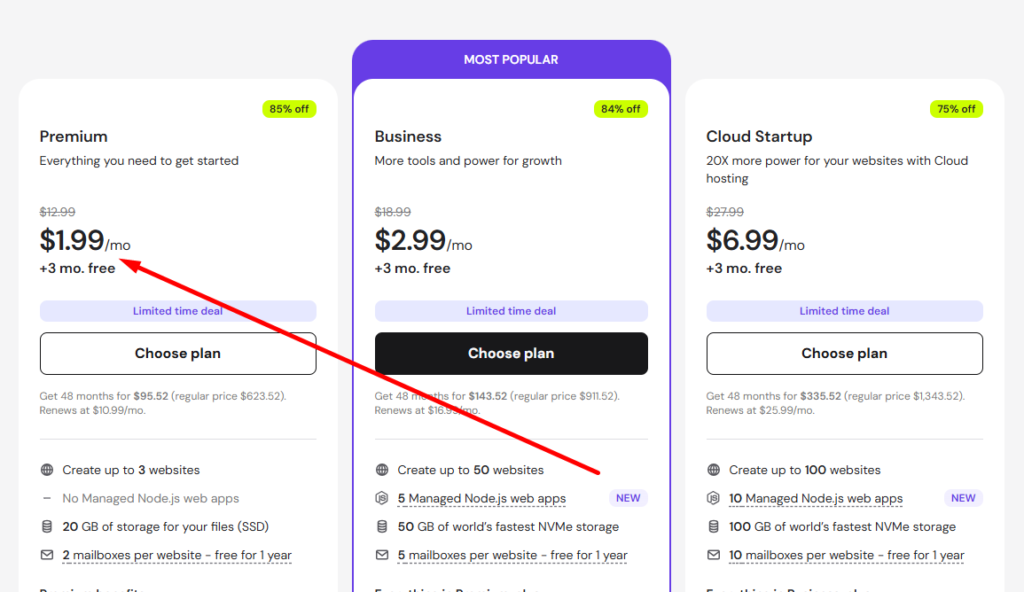
Hostinger is one of the most popular and beginner-friendly web hosting providers, making it an excellent choice for your travel blog. It offers fast and reliable hosting for just $1.99/month and includes a free 1-year domain. Set up your site first, then choose the theme that fits your goals.
Note: If you click my link and buy hosting, I’ll earn a small commission — at no extra cost to you.
Step 4: Install WordPress and Set Up Your travel Blog
After purchasing your hosting from Hostinger, you can easily install WordPress on your website using the 1-click process. First, log in to your Hostinger account and go to your dashboard.
Once the setup is complete, log in at yourdomain.com/wp-admin and start building your blog with a free domain.
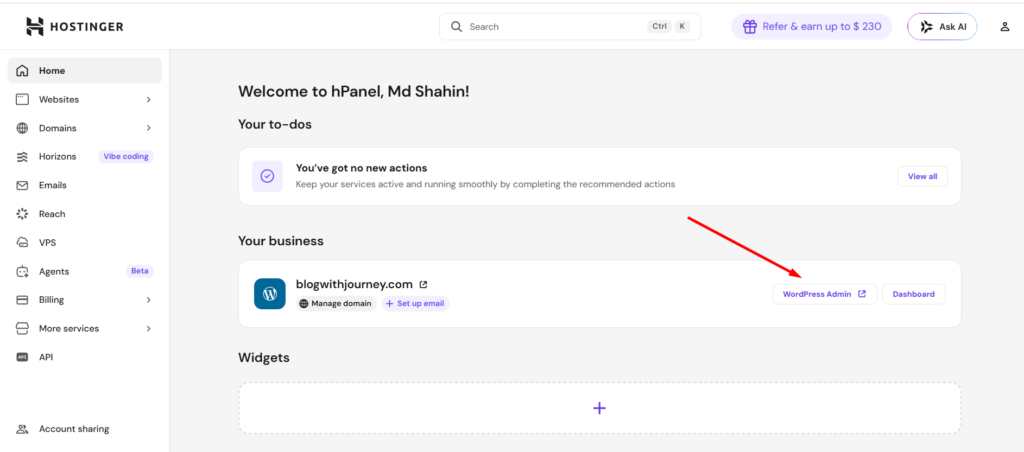
Click on “Websites” or “Manage”, then open the Auto Installer and select WordPress.
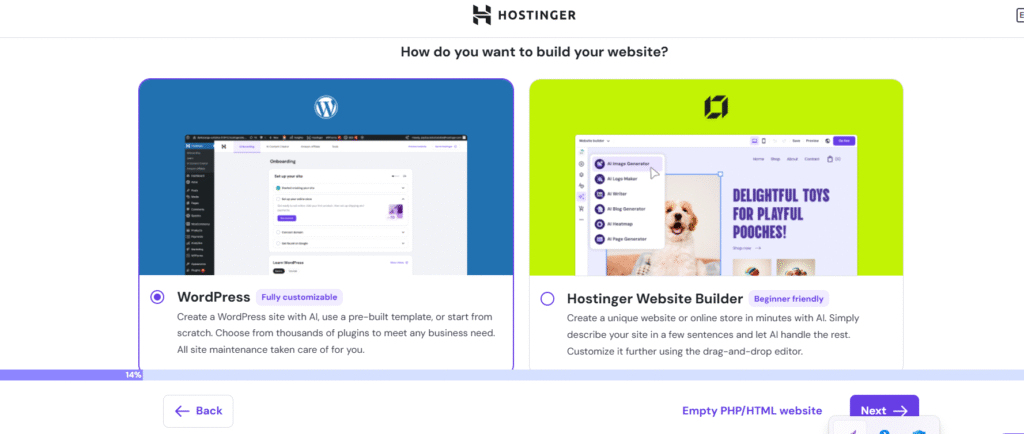
Enter your website details like site title, email, username, and password.
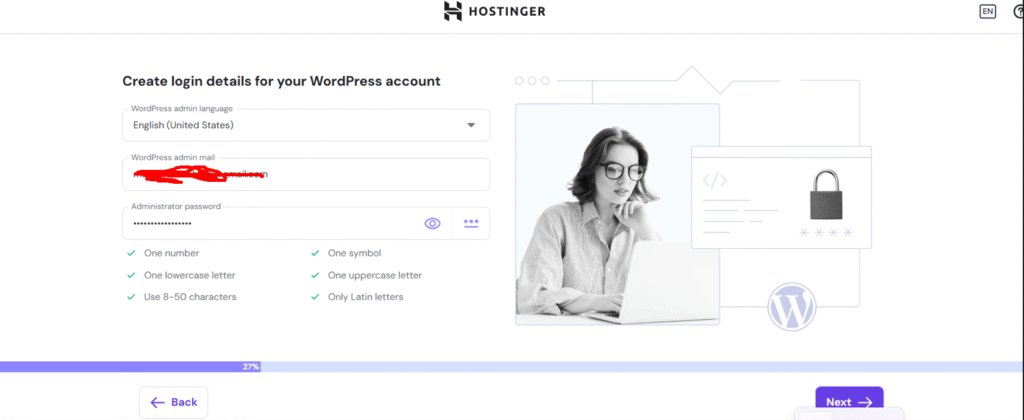
create login page. you have make Strong Password(8 Character) for your wordpress website and select next.
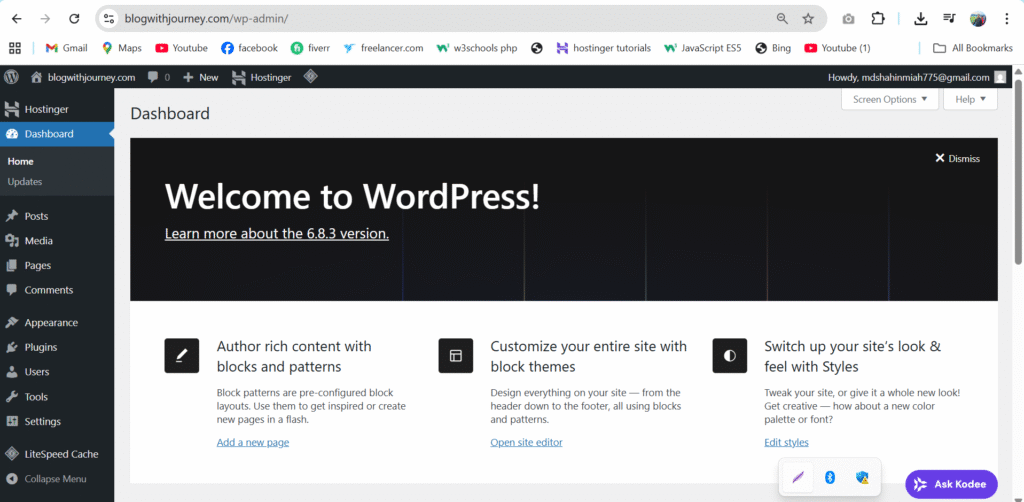
Congratulations. finally you got your wordpress website dashboard. Now i will tell you next process for your trabel blogging journey.
Step 5: Choose a Professional Travel Blog Theme
After installing WordPress, the next important step is choosing and installing a travel blog theme.
Your theme controls the design, layout, colors, and fonts of your website, shaping how visitors see your blog. For travel websites, selecting a sleek, responsive, and professional theme builds trust and encourages action
Go to Appearance → Themes
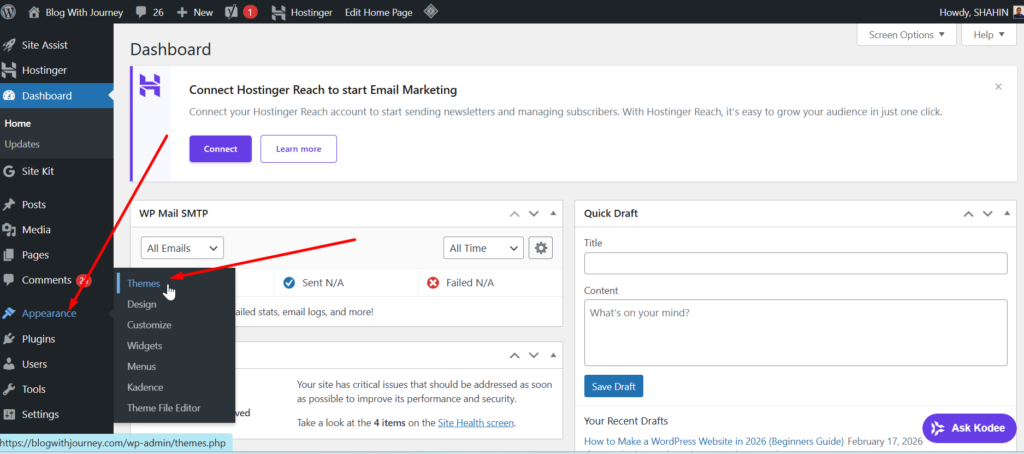
Click Add New at the top
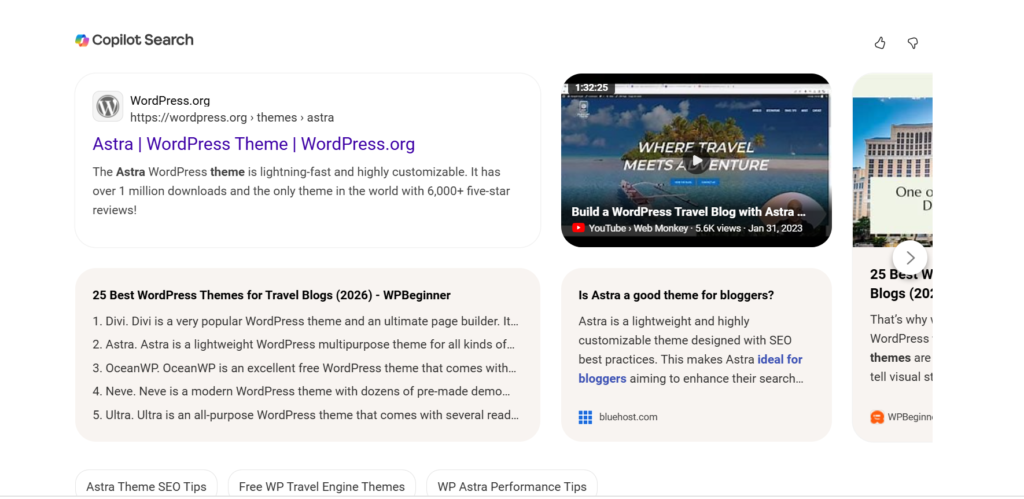
For a travel site, choose a fast and lightweight WordPress theme like Astra, OceanWP, or Neve—these themes are SEO-friendly, mobile-responsive, and designed for speed and conversions.
Search for your preferred theme like Astra . Click Install & Activate to apply it to your website
Step 6: Customize Your Travel Blog Design and Branding
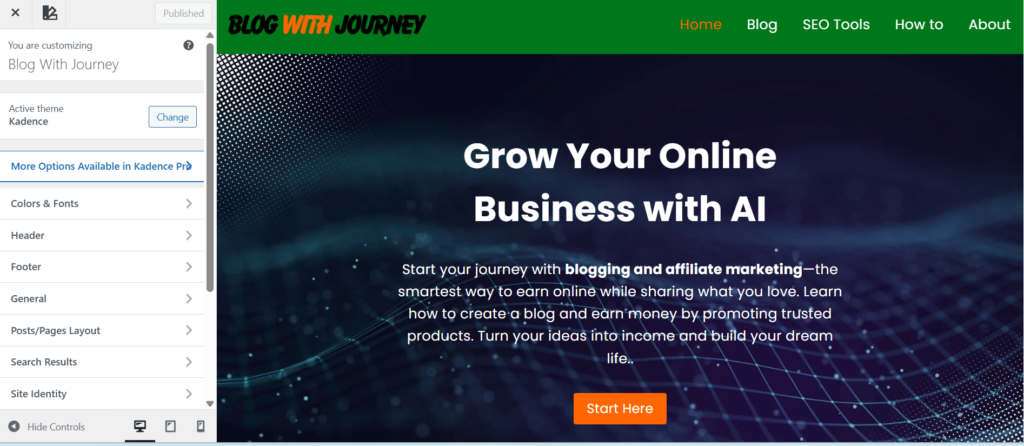
When you customize your design and branding, your travel blog develops a unique and recognizable identity. It’s not just about making your blog look good—it’s about creating a consistent and memorable experience for your readers.
A well-designed blog builds trust, keeps visitors engaged, and makes your content more enjoyable to explore. Strong branding also improves engagement, visibility, and over time helps build trust and authority.
Focus on:
- Logo and colors
- Typography
- Layout consistency
- User-friendly navigation
A balanced design and branding make your blog look professional and help it stand out in a competitive space.
Step 7: Create Essential Pages (About, Contact, etc.)
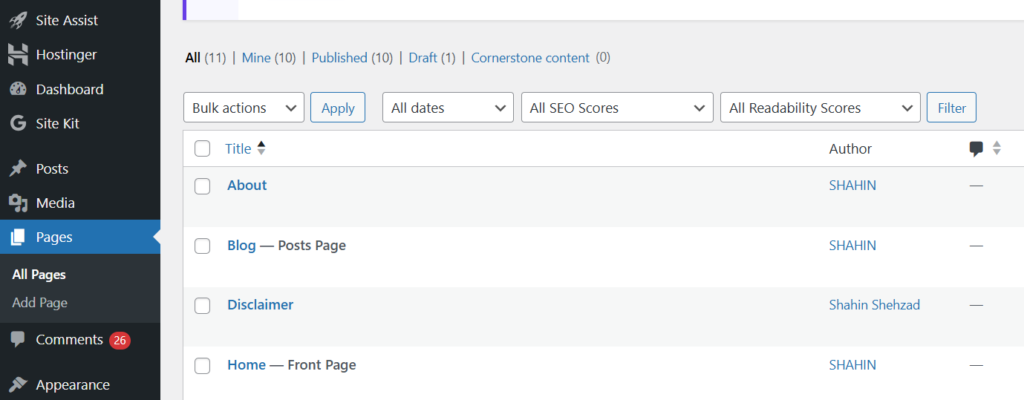
After setting up your WordPress travel blog, create the essential pages before publishing any posts. These pages build trust, improve SEO, increase conversions, and give your site a professional look—laying a strong foundation for long-term success.
Here are the important pages:
- About Page (your story)
- Contact Page
- Blog
- Privacy Policy
- Disclaimer
These essential pages make your travel blog professional, secure, and ready to attract traffic and generate revenue.
Step 8: Write High-Quality Travel Content

Content is the foundation of your travel blog. It’s what attracts readers, builds trust, and keeps people coming back. Focus on creating content that is helpful, engaging, and easy to understand. The more value you provide, the more your audience will rely on your blog.
Content Ideas to Get Started:
- Travel guides
- Itineraries
- Tips and hacks
- Personal experiences
Use simple headings to make your content easy to read. Add images that make your blog more interesting. Write for your readers and give them value. Keep your content clear and helpful.
Strong content improves your blog’s position on search engines. It builds credibility and loyalty among readers. Consistent value leads to long-term success.
Step 9: Optimize Your Travel Blog for SEO

SEO is essential for increasing your travel blog’s reach and visibility. It allows your content to show up on Google searches and attract steady traffic. Without proper SEO, valuable content can be missed.
By optimizing your blog properly, you can reach people who are actively searching for travel tips, guides, and experiences.
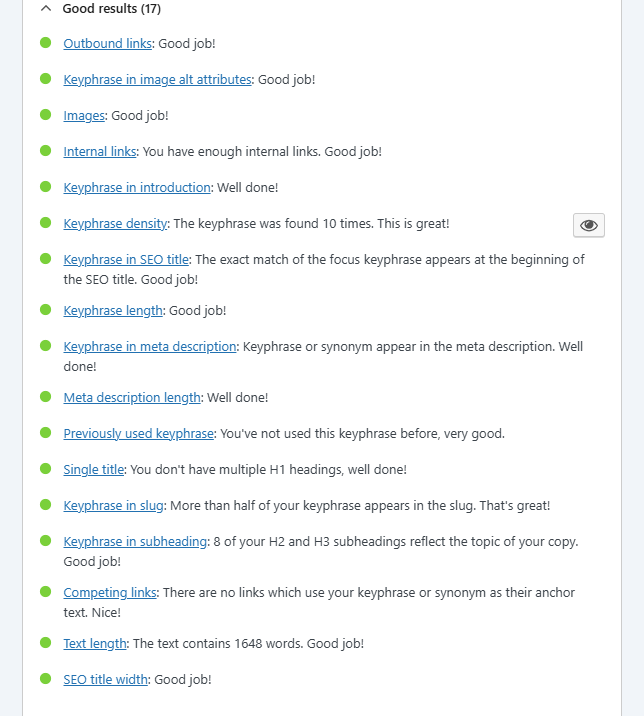
Basic SEO Tips to Follow:
- Use keywords effectively – Research important keywords and use them effectively throughout your content while maintaining natural readability and avoiding stuffing.
- Write SEO-friendly titles – Create clear, engaging titles that include your main keyword and attract clicks.
- Optimize images – Compress images, use descriptive file names, and add alt text for better performance and rankings.
- Use internal and external linking – Link to your own blog posts and trusted external sources to improve navigation, boost SEO, and keep visitors on your site longer.
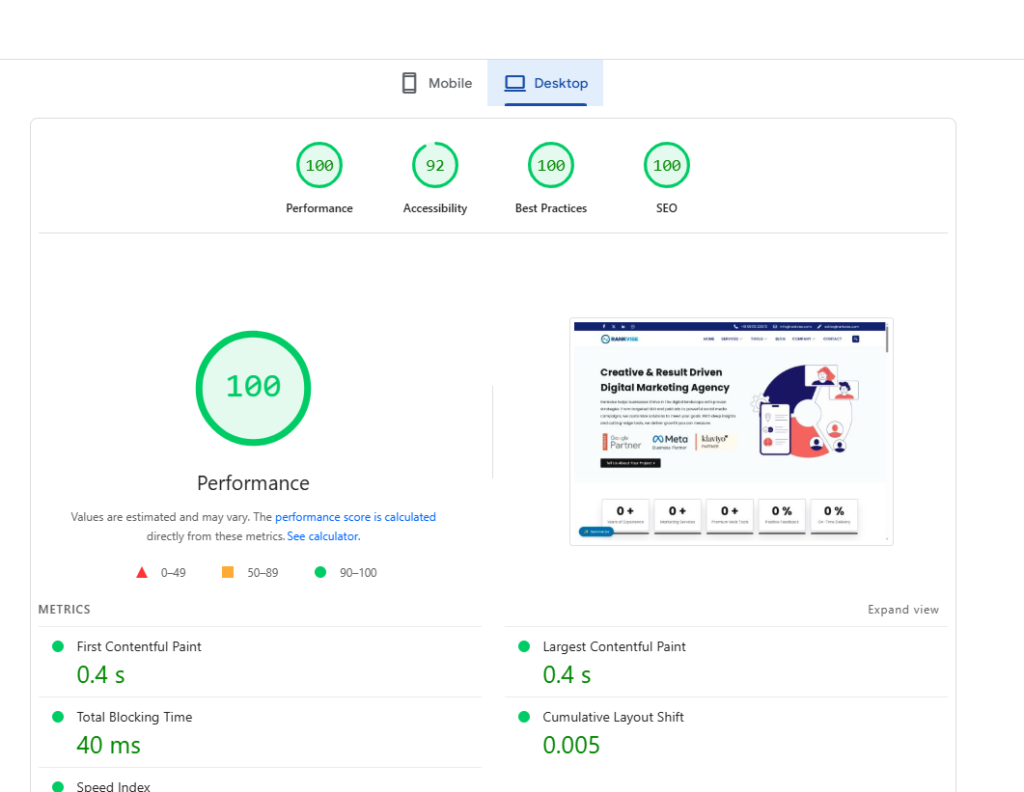
- Improve page speed – A fast-loading website improves user experience and helps your rankings on search engines.
Growing a travel blog faster requires strong SEO. Build high-quality backlinks, refresh your content, use SEO plugins, and improve your URLs. Consistent optimization leads to lasting traffic and results.
Step 10: Promote Your Travel Blog and Grow Traffic

Content alone won’t grow your travel blog—you need promotion as well. Even high-quality posts can be ignored if no one sees them. Promotion ensures your content reaches the right readers.
Social media is a powerful and effective promotion tool for your travel blog. Share your articles on:
- Twitter/X
- TikTok
Many travel lovers use these platforms to find new content. By sharing posts regularly and engaging with people, you can build trust and increase blog traffic.
Another powerful strategy is building an email list. By collecting emails from your visitors, you can send them updates, new blog posts, or exclusive travel trips. It keeps your readers interested, builds trust, and makes them come back to your blog often.
Here’s a perfectly readable, corrected, and more engaging version with strong user impression and flow:
How to Make Money from Your Travel Blog

When your travel blog starts receiving regular visitors, you can easily turn your passion into a source of income. Monetization not only rewards your hard work but also transforms your blog into a long-term earning asset with future opportunities.
There are multiple ways to monetize a travel blog. The best method depends on your content, audience size, and skills. Choosing the right strategy is important for steady and sustainable growth.
Best Monetization Methods:
- Affiliate marketing (travel gear, booking platforms etc.)
- Google AdSense
- Sponsored posts and brand collaborations
- Selling digital products (guides, itineraries, ebooks)
New bloggers can start earning quickly with affiliate marketing. As traffic grows, you can scale your income by adding display ads and sponsored content for higher earnings.