9 Best Internal Linking Strategies for SEO to Improve Rankings


The right internal linking strategies can help your website become more organized, useful, and search-engine friendly. Internal links create pathways between related pages, allowing readers to find additional information without leaving your site.
For bloggers and new websites, building these connections early can make content easier to discover and navigate. This makes internal linking particularly useful for growing blogs.
Let’s explore 9 effective internal linking strategies that can help improve your website’s SEO and user experience.
What Is Internal Linking?
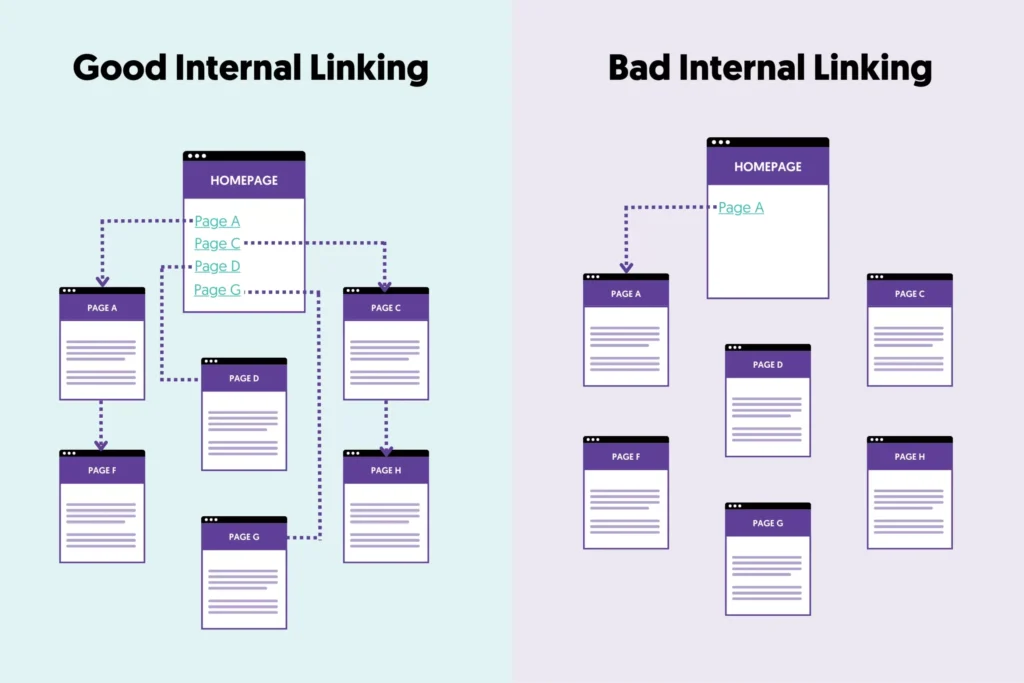
Internal linking means connecting one page of your website with another relevant page within the same website. It creates a clear path between related content and helps visitors find more information without leaving your site.
Suppose you publish an article about keyword research. You could link it to a related post about the best SEO tools for bloggers, allowing readers to continue learning while showing search engines that both topics are closely connected.
Understanding Internal Links and Their SEO Value
Internal links create pathways between different pages on your website. When used strategically, they can help search engines understand your site structure while making it easier for visitors to find related and valuable content.
A well-structured internal linking system can:
- Help search engines discover new content
- Improve the overall browsing experience
- Connect related articles and resources
- Strengthen topical relevance
- Support important pages
- Create a clearer site hierarchy
- Encourage users to explore more of your website
For new blogs, a thoughtful internal linking structure can help organize content from the beginning and provide a solid foundation for future growth.
9 Best Internal Linking Strategies for SEO to Improve Rankings
Here is best 9 internal linking seo strategies to improve your website ranking and visibility.
1. Create a Strong Site Structure
A clear site structure helps create better connections between your website’s pages. Instead of publishing unrelated articles, organize your content around a few main topics and build supporting pages around them.
For example, an affiliate marketing site can have supporting content about keyword research, affiliate networks, SEO, content marketing, product reviews, and link building.
Keep your categories simple, connect related pages, and make important content easy to reach. This creates a user-friendly structure that also supports your overall SEO strategy.
2. Connect Related Pages and Blog Posts
Related pages should naturally support one another through internal links. When you publish a new article, look through your website and find older content that expands on important points covered in the new post.
You can link an Amazon affiliate marketing article to relevant guides on programs, keyword research, product reviews, and affiliate SEO.
Always think about the reader when adding an internal link. If the linked page does not provide meaningful value, it is better to leave the link out.
3. Choose the Right Anchor Text
Good anchor text makes your internal links clear and useful. It should briefly describe the topic of the page you are linking to and help readers understand why they should click.
Avoid generic anchor text such as “click here” or “learn more.” Use descriptive phrases that fit naturally into the sentence.
For example:
Make sure your anchor text sounds natural within the content. Use relevant variations rather than forcing one keyword repeatedly.
4. Create Topic Clusters for Better Navigation
Creating topic clusters is a useful way to organize your website into clear content groups. Choose a broad topic for your pillar page and create supporting articles that explore related subtopics.
For example: Pillar topic: Affiliate Marketing
Supporting topics:
- Amazon affiliate marketing
- Affiliate keyword research
- Affiliate SEO
- Best affiliate programs
- Affiliate content strategy
Link the supporting pages back to the pillar article and connect related posts when it makes sense. This creates a clear content network that benefits both visitors and search engines.
5. Add Internal Links to Older Blog Posts
Don’t focus your internal linking efforts only on new posts. Your older articles can provide valuable opportunities to link to fresh content and create stronger connections between related pages.
This approach can:
- Refresh existing content
- Help readers discover new articles
- Strengthen topical connections
- Improve content discovery
By updating old content consistently, you can create a stronger internal linking network as your site grows.
6. Link New Posts to Relevant Existing Content
New articles are a great opportunity to strengthen your existing content through internal links. Connect each new post with relevant pages that can provide readers with more detailed information.
Before publishing, check your site for related articles. For example, a WordPress SEO post could link to guides about SEO plugins, keyword research, technical SEO, and site speed.
These connections help readers discover more content and create a well-linked website structure as your blog grows.
7. Use Internal Links to Support Important Pages
A strong internal linking structure should give extra support to your most valuable pages. These may include pillar content, product reviews, service pages, category pages, and important affiliate articles.
For example, you can link to a web hosting comparison from related posts about WordPress, hosting features, website speed, and blogging.
The key is to keep your links natural, contextual, and useful instead of adding them unnecessarily.
8. Avoid Overusing Internal Links
Internal links should improve your content, not overwhelm it. Adding too many links can make paragraphs look cluttered and may prevent readers from easily following the main topic.
Before adding an internal link, think: “Does this link add something useful?”
Avoid unnecessary or repeated links and focus on relevant pages that provide additional value. Keep your internal linking strategy simple and natural.
9. Regularly Audit and Update Internal Links
As your website grows, your internal links need regular attention. New articles, deleted pages, URL changes, and updated content can all affect how your pages are connected.
Review your internal links to find:
- Broken links
- Orphan pages
- Pages with limited internal links
- High-value pages needing more links
- Outdated connections
- New linking opportunities
Updating these links regularly helps maintain smooth navigation and a clean, connected website structure.
Best Internal Linking Practices for New Websites
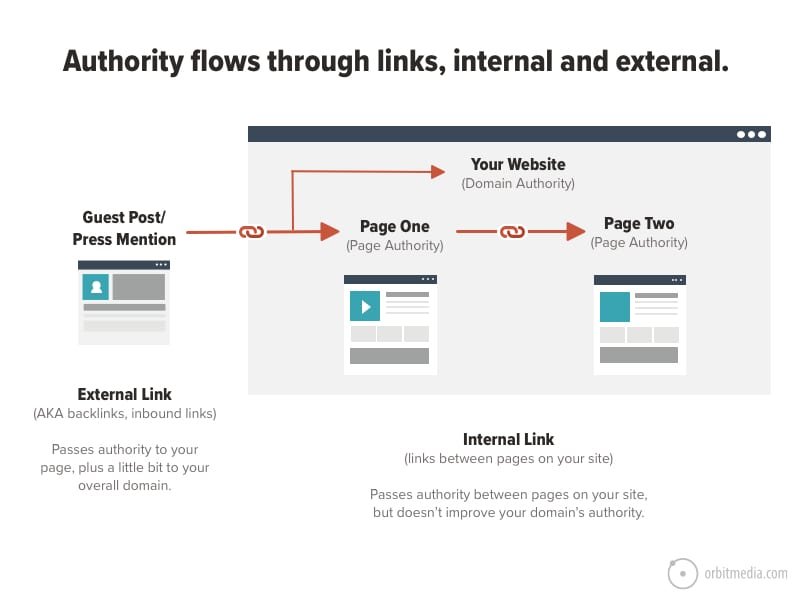
Start your internal linking strategy as your website begins to grow. A simple, well-organized approach can help search engines understand your content while making it easier for visitors to find related pages.
Use these simple practices:
- Link relevant pages together
- Write natural anchor text
- Connect new posts with existing content
- Group related content into topic clusters
- Link naturally to important pages
- Keep internal links updated
- Avoid irrelevant or excessive links
- Review your site structure regularly
Always put the user experience first. Internal links should guide visitors toward relevant information without making your content feel crowded or unnatural.
Final Takeaway
Good internal linking doesn’t require a complicated strategy or a huge number of links. What matters most is connecting relevant pages in ways that help readers navigate your website and help search engines understand your content.
Keep your site structure clear, connect related content, use descriptive anchor text, and create strong topic clusters.
By maintaining your internal links as your site grows, you can build a stronger SEO foundation and guide visitors toward your most valuable content.