How to Rank an Affiliate Website Using AI Content Strategy


Every day, the internet gets millions of new blog posts, learning how to rank an affiliate website requires a smarter approach. Search engines now prioritize helpful, well-structured, authoritative content, so affiliate marketers must focus on value-driven SEO strategies.
This is where AI content strategy comes in.
When used correctly, artificial intelligence helps affiliate marketers publish better content, identify profitable keywords, and build long-term search authority.
The important point is that Google doesn’t penalize AI-created content. It evaluates quality based on usefulness, accuracy, trustworthiness, and how well it matches user intent.
In this guide, you’ll learn a proven AI content strategy for ranking affiliate websites. From keyword strategy to content and link building, we’ll walk through the key steps to increase organic traffic and boost affiliate commissions.
1. Understanding Google’s View of AI Content
Many affiliate marketers are using AI for content creation, but questions about rankings still exist. In reality, Google cares more about content quality and user satisfaction than whether the content was created by AI or a human.
To achieve strong rankings, AI-assisted content must remain helpful, accurate, trustworthy, and in line with user intent. Google’s Helpful Content System prioritizes E-E-A-T(experience, expertise, authoritativeness, and trustworthiness). It places quality above the methods used to create content.
For affiliate marketers, AI is a useful tool for scaling content, but human expertise is essential for maintaining authenticity, accuracy, and trust.
Successful affiliate websites use a smart hybrid approach, combining AI tools with human expertise to produce user-focused content. Instead of worrying about AI rankings, the focus should be on gaining a competitive edge and improving content quality.
2. Choosing a Profitable Affiliate Niche
Selecting the right niche is the foundation of any successful affiliate strategy. It directly impacts your traffic potential, SEO performance, and long-term income growth. A truly profitable niche requires the right balance of demand, competition, and long-term sustainability.

A strong affiliate niche is not just about earning more per sale. It’s about choosing a market where people are actively searching, buying, and solving real problems.
Best Affiliate Marketing Niches:
- Web hosting
- WordPress tools
- SEO software
- AI tools
- VPN services
- Email marketing software
- Personal finance
- Health and fitness
- Online education
- Cybersecurity
These niches provide consistent traffic opportunities and strong monetization potential, making them perfect for long-term growth. A wide range of content angles, including reviews, comparisons, tutorials, and lists, further enhances topical authority.
3. Building an SEO-Friendly Affiliate Website
Creating an SEO-friendly affiliate website is the first step in your affiliate marketing journey. A good website should be made for both search engines and users. It must load fast, be easy to use, and have a clear structure so visitors can quickly find what they need.
When you start building your affiliate website, you need to have an understanding of two things: a domain name and web hosting.
A domain name is your website’s address that people type in their browser, like blogwithjourney.com. Web hosting is the service that stores your blog’s files, images, and content and keeps your site live and accessible 24/7 on the internet.
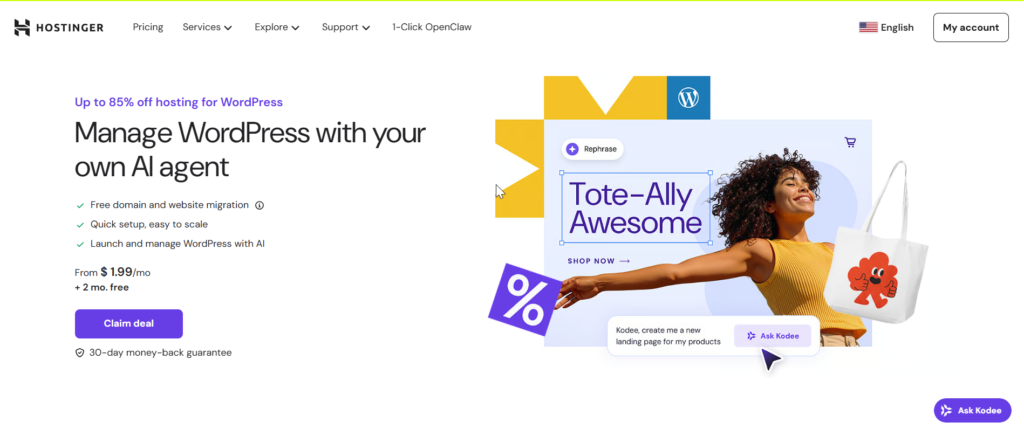
For beginners in 2026, Hostinger is one of the most popular budget WordPress hosting platforms.
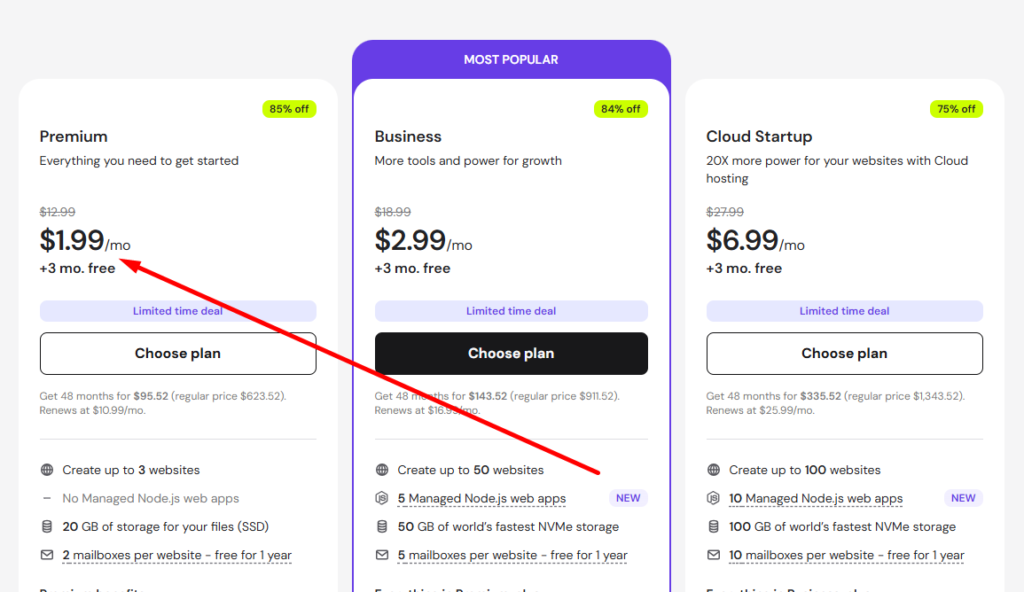
It offers a smooth balance of performance, fast loading, and ease of use, allowing you to build a website quickly without technical skills. Plans start from $1.99/month and often include a free domain, making it a cost-effective choice.
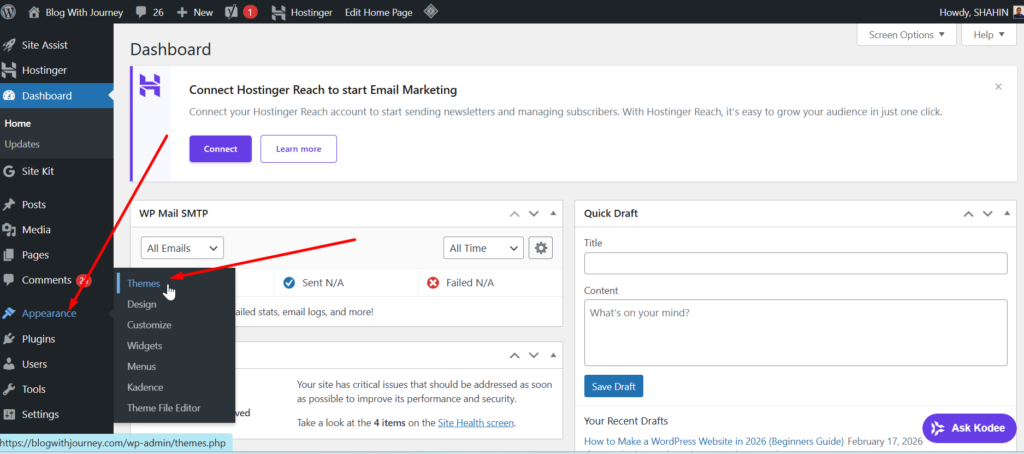
Next step is to select a lightweight, mobile-responsive WordPress theme such as Kadence, Astra, or GeneratePress. A fast-loading and clean design improves user experience and also supports better SEO performance.
👉 If you are not sure how to make a WordPress website or how to start a blog, you should first learn the basics of setting up a blog step by step before moving forward.
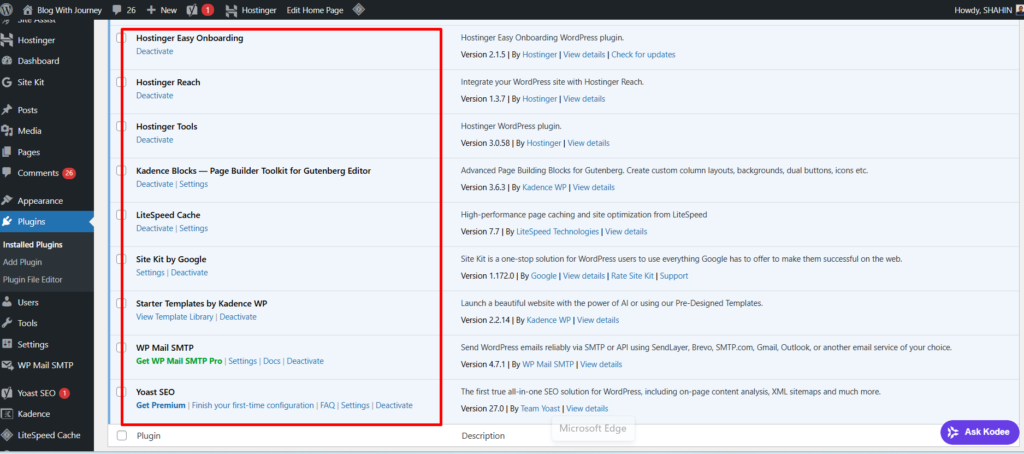
After that, install essential plugins to improve functionality and security. These include an SEO plugin, caching plugin, security plugin, backup solution, and affiliate link management tool. These plugins help optimize your site performance and make blog management easier.
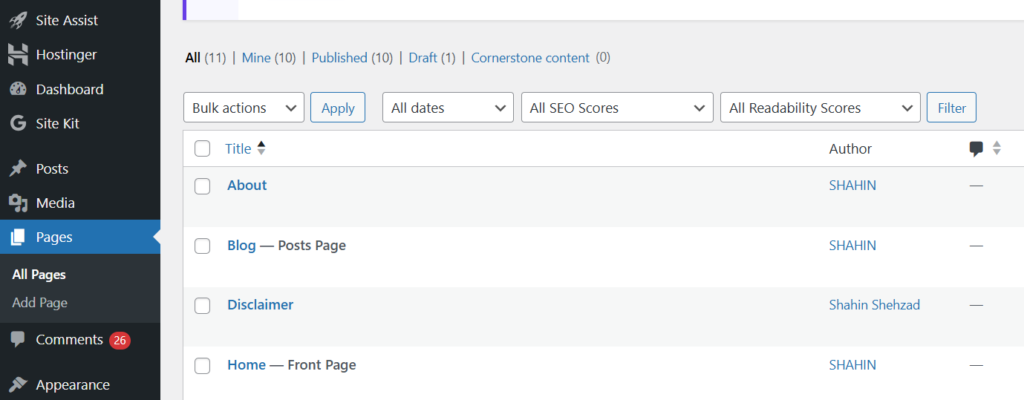
Then, set up the important pages every professional blog needs, such as About Us, Contact Us, Privacy Policy, Disclaimer, and Affiliate Disclosure. These pages build trust with your audience, improve transparency, and ensure your site follows legal and affiliate requirements.
By completing these steps, you will have a strong, well-structured affiliate marketing blog that is ready to attract traffic, build authority, and generate long-term income.
4. Finding Low-Competition Keywords with AI
Many affiliate websites fail not because of poor content, but because they target the wrong keywords. Choosing keywords with reasonable competition and clear search intent gives your content a much better chance of ranking and attracting qualified visitors.
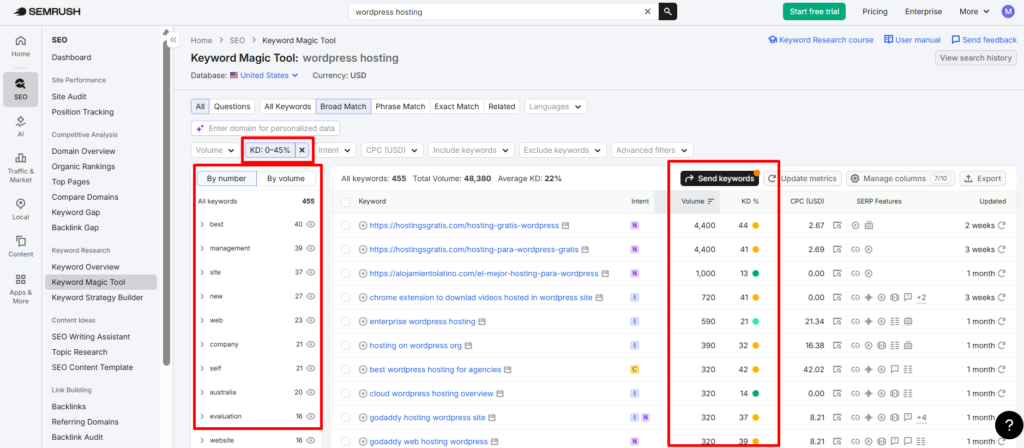
Keyword research is now more efficient thanks to AI. Tools like ChatGPT, Semrush, and Ahrefs allow marketers to find keywords, analyze intent, and uncover opportunities without manual effort.
Instead of targeting highly competitive keywords like “best seo tools” or “web hosting,” it is more strategic to focus on long-tail keywords such as “best seo tools for new bloggers” or “best web hosting services for beginner,” where competition is lower and intent is stronger.
A proper keyword analysis involves more than search volume. You must assess keyword difficulty, user intent, competitor strength, and monetization potential.
AI can help you:
- Generate keyword ideas
- Discover question-based keywords
- Analyze search intent
- Find content gaps
- Build topical clusters
The true aim of keyword research is to prioritize relevance over volume by targeting keywords with low competition, strong user intent, and affiliate potential. AI makes this process faster and more precise.
5. Writing High-Quality AI Content That Ranks

AI can help create content quickly, but achieving strong Google rankings requires much more than automation. Successful content combines thorough research, effective SEO, and human expertise. When published without editing, AI-generated content often lacks originality and value, which can limit its ability to rank and attract organic traffic.
To succeed in 2026 and beyond, AI should be used as a content assistant, not a content replacement. Real ranking success comes from how well you refine, structure, and optimize the content for both users and search engines.
Before writing, it is important to understand user intent, as every keyword serves a different purpose:
- Informational: “How to Make Money Blogging” — users are looking for knowledge and explanations
- Commercial: “Best web hosting Services for beginners” — users are comparing options before deciding
- Transactional: “Hostinger Review” — users are ready to make a purchase
The real strength of AI lies in helping with research, content planning, and structure. However, the final content should always be refined with human insights, proper SEO, and a natural writing style to maximize its ranking potential.
Quality affiliate content informs and guides readers with clear facts, fair comparisons, and useful insights. Superficial content seldom performs strongly in search results
6. Optimizing AI Content for On-Page SEO
To rank AI-generated content on Google, on-page SEO is essential. It ensures your content is properly structured, easy to read, and fully optimized for search engines and users alike.

A good on-page SEO strategy relies on smart keyword placement. Your target keyword should be used naturally in key areas like the title, introduction, headings, and content body, while ensuring the writing remains clear and easy to read.
Optimization checklist:
- SEO-friendly title with primary keyword
- Proper H1, H2, and H3 structure
- Keyword placement within the first 100 words
- Internal linking between related posts
- Image alt text optimization
- Schema markup (such as reviews and FAQs)
Ultimately, on-page SEO is about more than settings and tags. It is about making content clearer, better structured, and more useful. Properly optimized AI content can significantly improve rankings and traffic.
7. Using Internal Linking to Improve Rankings
Internal linking is a strong SEO strategy that is important for learning how to rank an affiliate website effectively. It connects your content, helps navigation, and allows search engines to clearly understand your website structure.
When done correctly, internal linking spreads authority across your website and boosts the visibility of important pages. This is especially useful for affiliate websites, where related content like reviews, comparisons, and guides can enhance overall SEO performance.
By linking related pages, internal links encourage users to explore more content on your site. This boosts engagement, increases time spent on the site, lowers bounce rates, and sends positive signals to search engines.
A natural internal linking approach works best. Links should be placed only where they really add value, and anchor text should clearly describe the linked page. Overusing or forcing links can hurt readability and weaken SEO effectiveness.
8. Building Backlinks to AI Content
Backlinks are one of the strongest ranking factors in SEO and play a key role in how to rank affiliate content. Even high-quality AI-generated articles often struggle to rank without authority signals, and backlinks are what help build that trust in Google’s eyes.
A backlink acts like a vote of confidence from another website, showing search engines that your content is valuable and worth ranking. The more relevant and high-quality these links are, the stronger your page and domain authority become, which directly improves rankings and visibility.
For affiliate websites using AI content, backlinks serve as powerful trust signals. They help search engines recognize that your content offers real value, especially when those links come from respected and relevant websites within your niche.
Strong backlink strategies include publishing guest posts, building relationships within your niche, creating link-worthy resources, and earning mentions from industry websites. The goal should always be to secure relevant and authoritative links that strengthen your site’s reputation over time.
The true value of backlinks lies in their ability to build trust and authority. When paired with useful content and solid on-page SEO, they create a strong foundation for lasting affiliate website growth.
9. Optimizing Affiliate Calls-to-Action (CTAs)

Optimizing affiliate calls-to-action (CTAs) is an essential part of how to rank an affiliate website using AI content strategy and convert search traffic into real revenue. Even if your content ranks well on Google, weak or unclear CTAs can reduce clicks, engagement, and overall affiliate earnings.
A well-placed CTA increases user interaction, boosts conversions, and supports long-term affiliate SEO success.
Best Practices for High-Converting CTAs
- Use clear and action-oriented language
- Focus on benefits, not just actions
- Place CTAs naturally within content flow
- Add CTAs after comparisons, reviews, or key insights
- Avoid overusing or forcing promotional links
Instead of generic phrases like “click here,” use more meaningful CTAs such as “check latest price,” “compare features,” or “try it free.” These feel more helpful and increase user trust.
Strategic CTA placement is essential for maximizing affiliate conversions. CTAs work best when placed after informative sections where users are ready to take action. This creates a smooth and effective user journey.
AI can help create different CTA variations, but human editing is needed to keep them natural and persuasive. Together with SEO and how to rank an affiliate website using AI content strategy, CTAs become a strong driver of traffic and income.
10. Tracking Rankings, Traffic, and Conversions
A successful AI content strategy goes beyond publishing content.It requires regular tracking of rankings, traffic, and conversions to understand performance and identify growth opportunities.

Understanding your keyword performance and organic traffic is essential for long-term SEO success. These metrics reveal SEO progress, content effectiveness, and overall search visibility. This data shows which pages perform best and which need improvement.
For affiliate marketers, conversions are the real measure of success. Traffic alone has no value unless users take action. Tracking affiliate clicks, signups, and purchases shows how effectively content generates revenue.
Key metrics to monitor:
- Keyword rankings
- Organic traffic growth
- Click-through rate (CTR)
- Affiliate link clicks
- Conversion rate
- Revenue generated
Regular analysis of these metrics helps identify strong pages and improve weak ones. Small data-driven improvements can significantly increase rankings, traffic, and affiliate income over time.
Ultimately, affiliate SEO is not just content creation. It is continuous measurement and optimization. Tracking rankings, traffic, and conversions consistently strengthens your strategy and maximizes long-term results.
11. Advanced AI Affiliate SEO Strategies
Advanced AI affiliate SEO focuses on combining smart automation with strategy to improve how to rank an affiliate website using AI content strategy. Instead of only creating content, the goal is to build a system that improves keyword targeting, topical authority, and long-term rankings.
AI tools assist with keyword research, competitor analysis, search intent mapping, and content planning. When used properly, AI can reveal profitable opportunities and help structure entire websites around valuable topics.
A key advanced strategy is building topical authority. Instead of publishing random posts, AI helps create structured content clusters like reviews, comparisons, tutorials, and guides that are internally linked to strengthen SEO relevance.
AI also improves content optimization by refining structure, headings, readability, and keyword placement. However, real ranking success comes from combining AI output with human editing, real insights, and strong E-E-A-T signals.
Another powerful method is SERP analysis. AI helps study top-ranking pages, identify weak competitors, and discover keyword gaps that are easier to rank for.
AI can also support smarter backlink strategies by identifying relevant websites and link opportunities. This makes outreach more targeted and effective, which improves authority and ranking potential.
Ultimately, advanced AI SEO is not about producing more content; it is about building smarter systems. When AI is used for research, structure, and optimization, it becomes a powerful tool for ranking an affiliate website with content, leading to faster rankings and consistent growth.